Tunnel Kiln Heat Recovery Systems: How Do They Work?

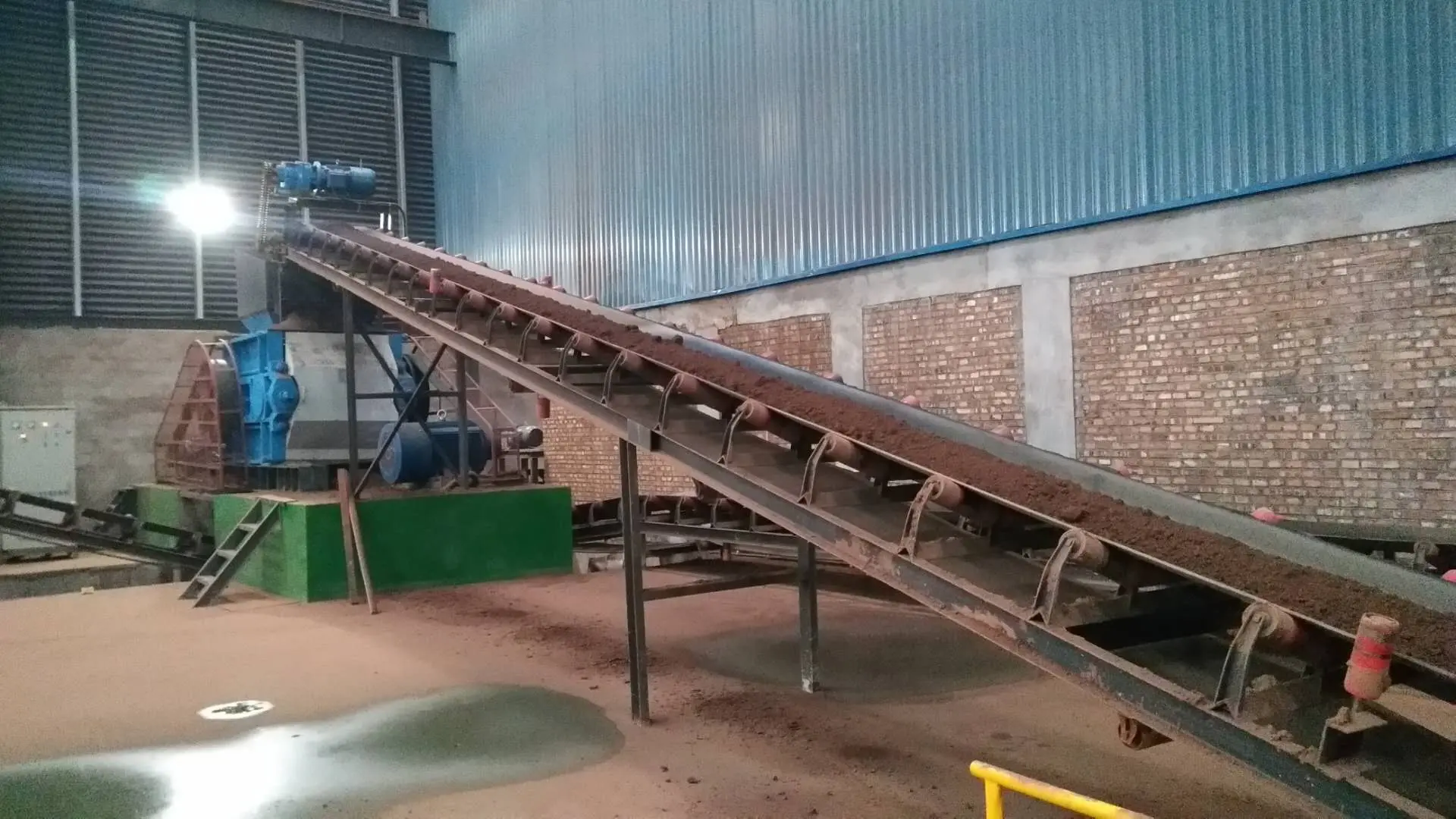
tunnel kiln heat recovery is one of the highest-impact upgrades a brick or ceramic production line can evaluate. For buyers and plant managers the question is not only whether recovery is technically feasible, but which recovery architecture matches product quality, throughput and site constraints.
This article explains how heat recovery works in tunnel kilns, what design decisions drive performance and how to scope an RFQ that lets suppliers and engineers confirm expected outcomes. Supplier modular claims are noted where relevant and independent guidance is cited for technical evaluation.
How tunnel kiln heat recovery works
In a continuous tunnel kiln, heat recovery captures thermal energy from exhaust or cooling zones and redirects it to upstream drying, preheating or firing stages. The core idea is to use waste heat that would otherwise exit to atmosphere to reduce fuel input into the kiln’s heating zone or to speed drying and preheating. Effective systems coordinate flue gas routing, insulation, controlled airflows and heat-exchange layouts to preserve product quality while recovering energy [2].
Typical recovery stages in a tunnel kiln
Recovery is usually staged to match process needs. Common stages include reclaiming heat from cooling and exhaust gases to preheat incoming combustion air, recirculating cooling air into drying zones, and using flue-gas heat to preheat product or calcining sections. The precise staging, air paths and sealing strategy must be matched to product sensitivity, required atmosphere control and maintenance access [2].
Design drivers and trade-offs
Key design drivers are product dimensions and load flow, firing temperature profile, desired throughput, available footprint and fuel type. Insulation levels and sealing quality affect how much heat can be retained versus recovered. Trade-offs include balancing a higher degree of gas recirculation against the need to control atmosphere or emissions, and deciding between active heat exchangers and simpler direct flue-gas routing based on maintenance and operational complexity [1][2].
Supplier statements and modular prefabricated designs
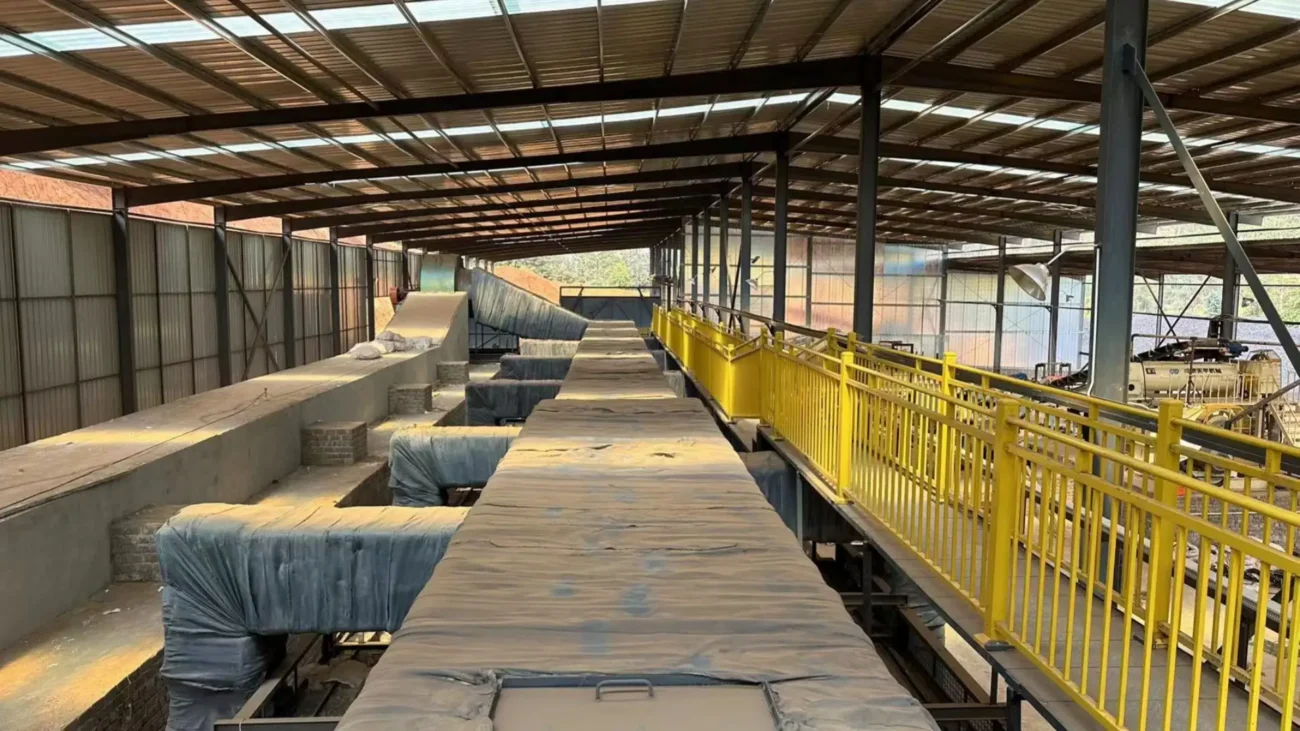
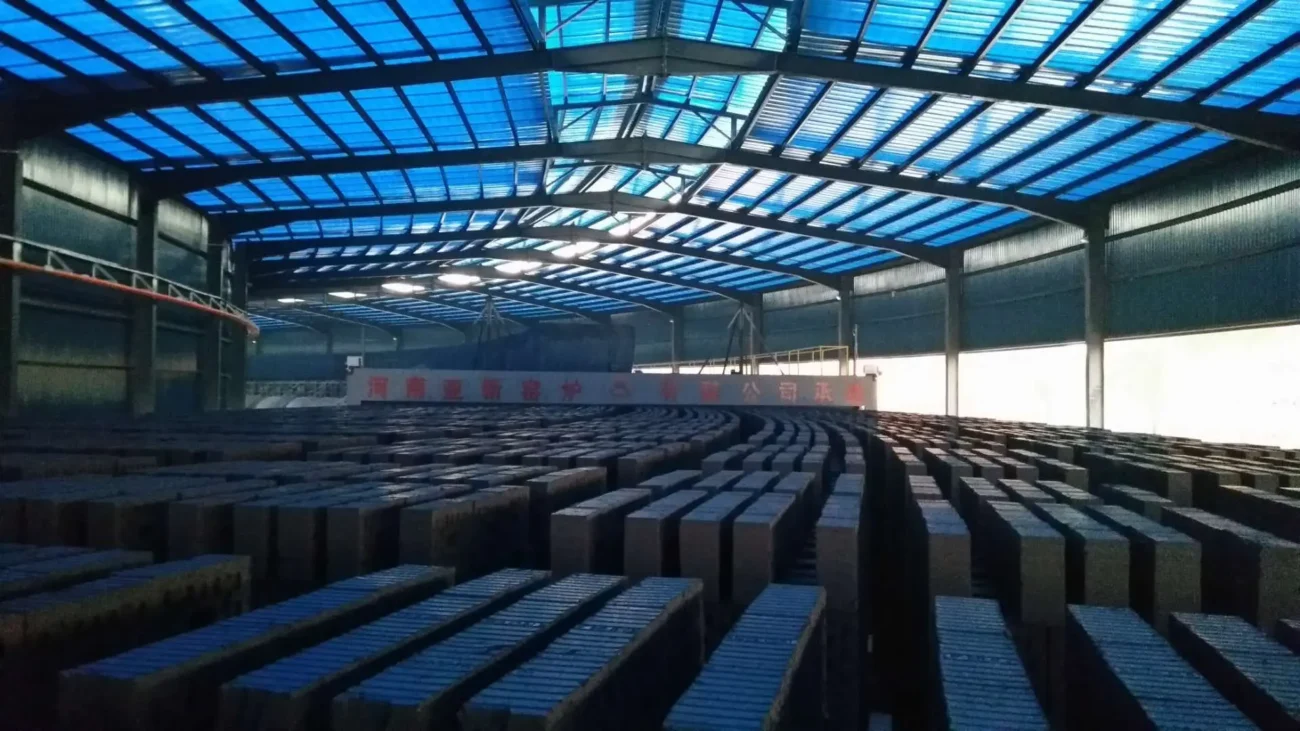
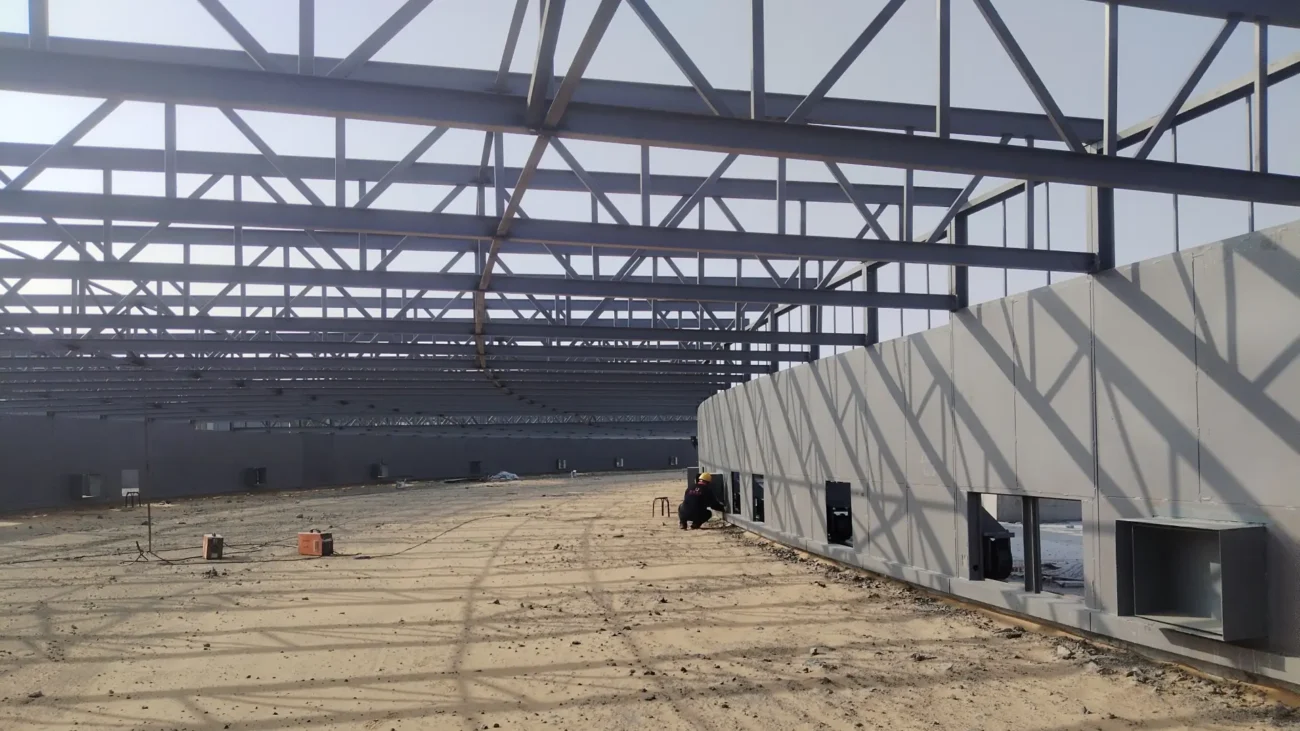
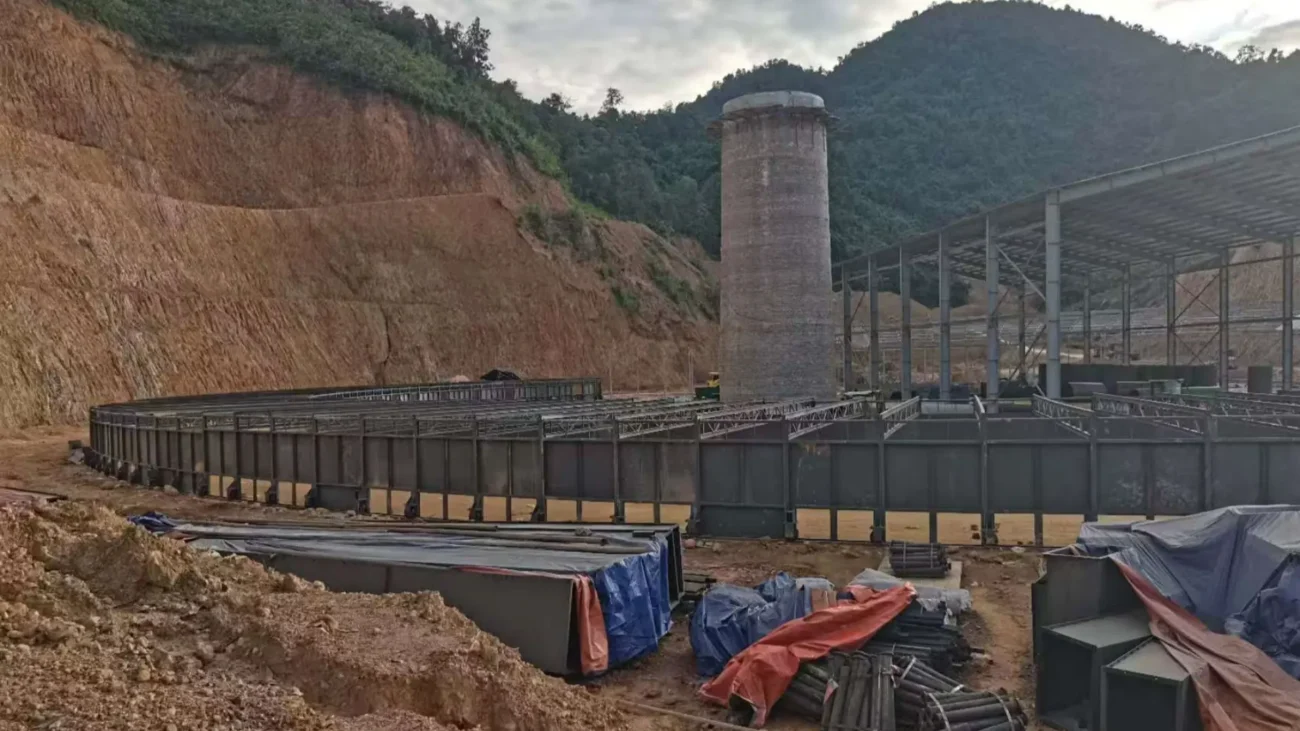
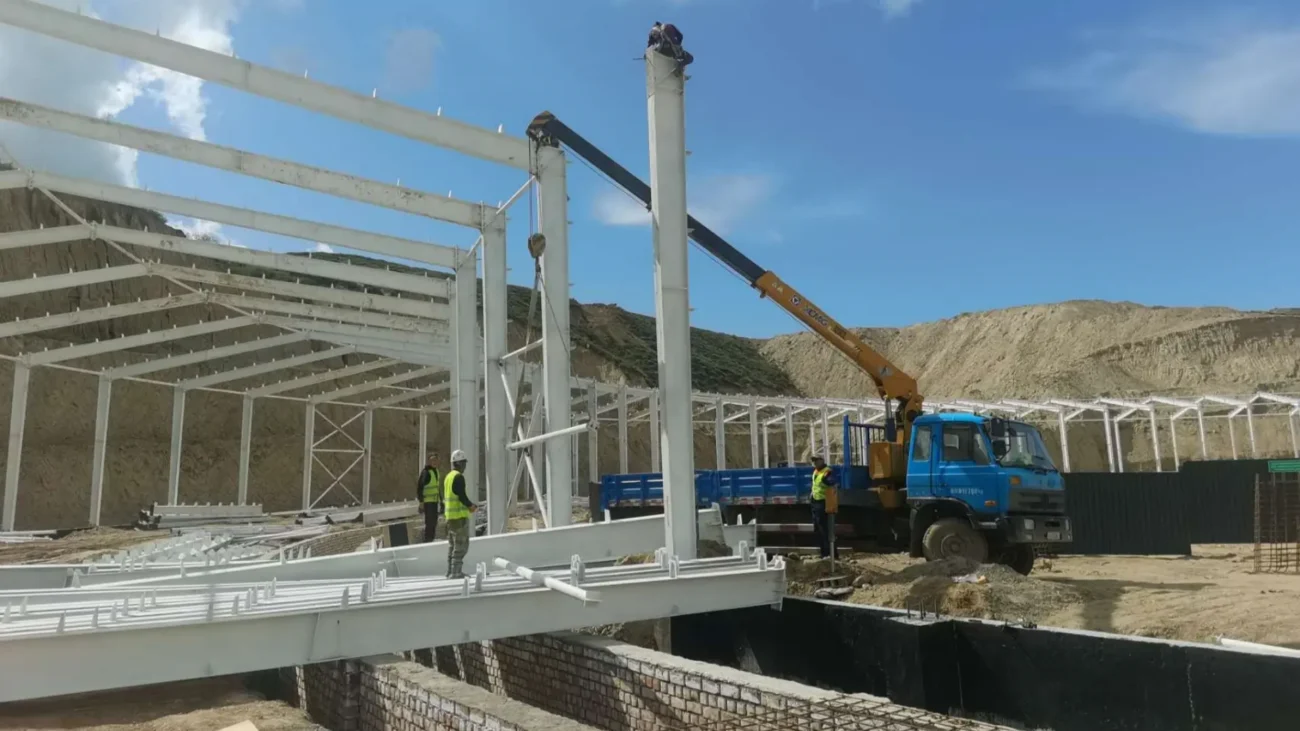
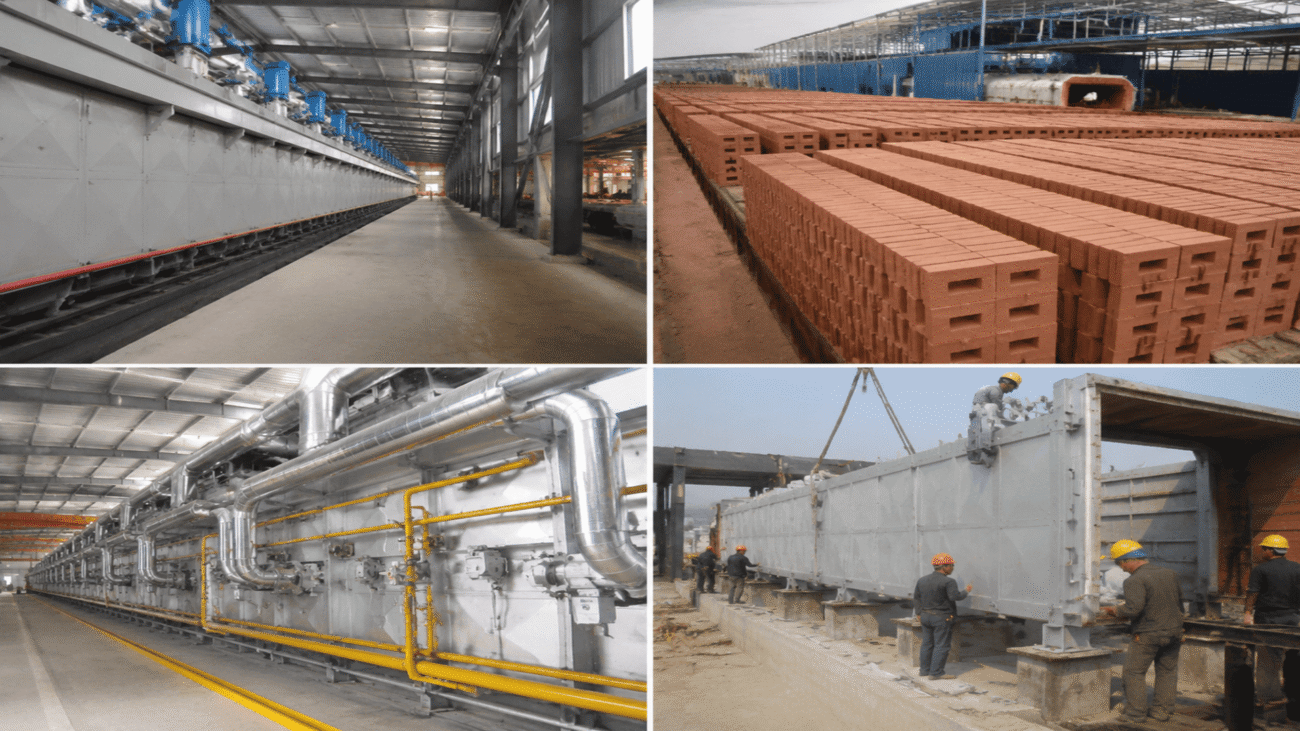
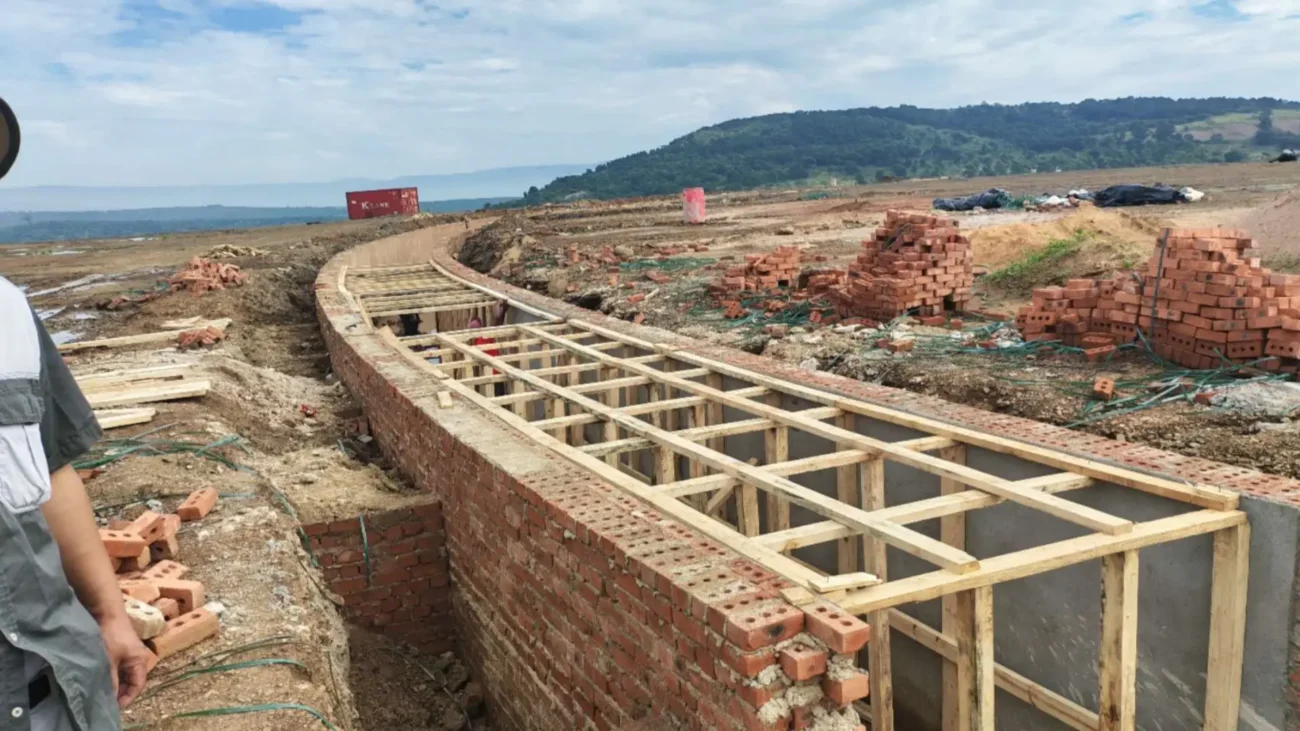
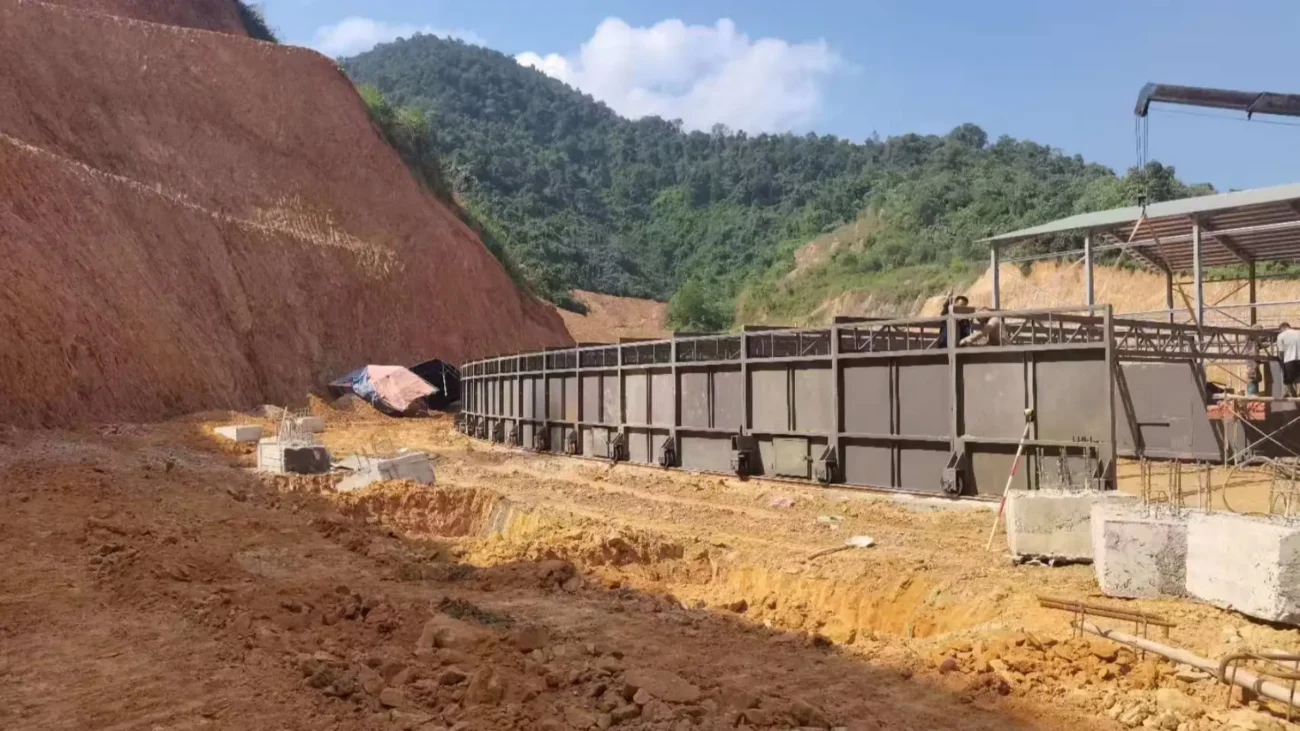
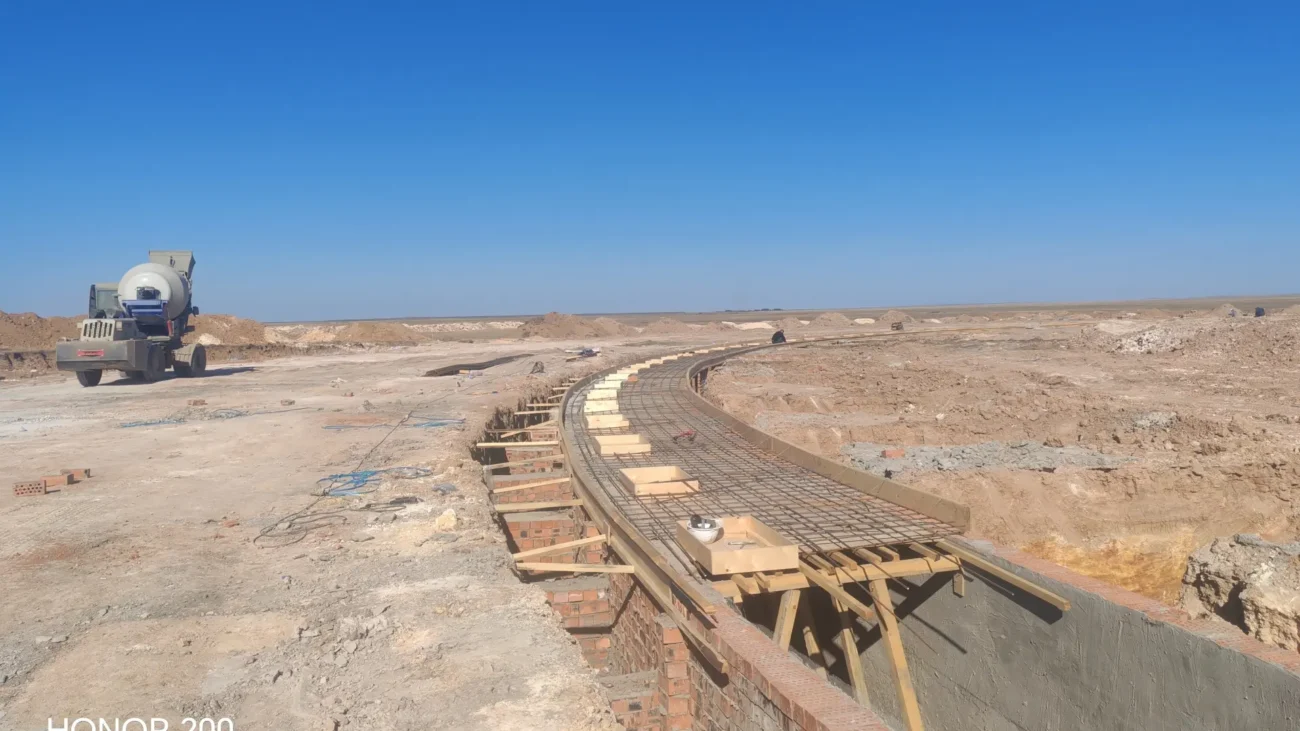
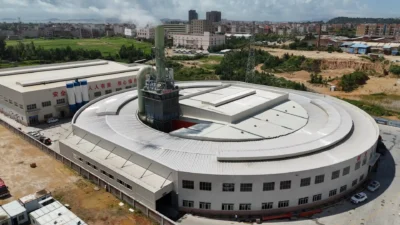
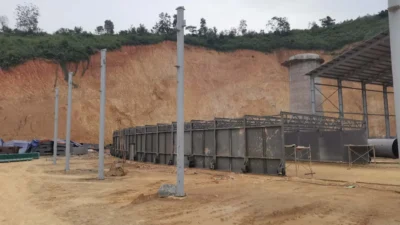
The selected supplier describes a large-cross-section prefabricated tunnel-kiln body with several kiln-car tracks, synchronous drying and roasting, modular assemblies, double sealing, automation and staged drying/preheating/calcining/insulation/cooling zones; it also references flue-gas reburning and drying/preheating applications as part of its product approach (supplier statement) [3]. These are supplier-attributed capabilities and should be validated in an RFQ and by site tests.
Decision comparison: common recovery approaches
| Approach | Typical benefit | Main constraints |
|---|---|---|
| Direct flue-gas routing to preheating | Simpler layout, lower equipment cost for some lines | Requires robust sealing and atmosphere control to protect product |
| Cooling-air recovery into dryer | Matches drying demand and reduces fresh-air heating | Flow balancing and dust control are needed |
| Heat exchangers / recuperators | Cleaner separation between contaminants and preheat air | Higher capital and maintenance complexity |
Use this table to shortlist options based on maintenance philosophy, atmosphere needs and site skills. Independent thermal analyses are useful to quantify expected temperature gradients, recovery potential and impacts on product quality before investment [2].
RFQ and validation checklist
An RFQ should request minimum data sets so technical comparisons are apples-to-apples. The following checklist helps buyers specify what to require and test.
| RFQ item | Why it matters | Buyer action |
|---|---|---|
| Supplier process flow diagram | Shows staged recovery, routing and modular interfaces | Require annotated diagram and key assumptions |
| Thermal model and firing curves | Used to predict temperature gradients and product quality outcomes | Ask for model inputs and sensitivity cases |
| Sealing & insulation spec | Drives retained heat and leakage losses | Request material data and maintenance needs |
| Automation & control strategy | Determines how airflow and recirculation are balanced | Confirm control logic, sensors and access for tuning |
| Commissioning and acceptance tests | Defines how performance claims are verified on site | Insist on measurable acceptance criteria tied to site data |
Frequently asked questions
How much recovery can I expect from a retrofit?
Expected recovery depends on kiln configuration, product thermal mass, sealing and the stages available for capture. Independent project assessment guidelines recommend evaluating productivity alongside investment, operating cost, lifespan, land use and emissions to judge viability; site-level modelling and tests are required to quantify outcomes for a specific plant [1].
Does recovery affect product quality?
Yes. Changes to airflow and gas composition can shift temperature gradients and residence times. Thermal analysis that includes load flow and firing curves is essential to predict impact on fracture, shrinkage and color uniformity; those analyses inform insulation and airflow design to protect quality [2].
Are prefabricated tunnel kilns suitable for heat recovery?
The supplier notes modular prefabricated tunnel-kiln bodies with multiple tracks, synchronous drying/roasting and staged zones, which can be configured to include flue-gas reburning and recovery stages (supplier statement) [3]. Whether a prefabricated design is the best fit depends on your layout, throughput needs and maintenance capabilities and must be confirmed in an RFQ and site assessment.
Implementation considerations and operations
Operational routines—such as how quickly seals are checked, how often control setpoints are tuned and how cooling air is filtered—matter greatly for long-term recovery performance. Independent guidelines recommend modelling system lifetime productivity and operating costs alongside capital choices so that design choices align with plant economics and environmental expectations [1]. Thermal models and periodic in-line measurements will identify unintended temperature gradients and help stabilise firing curves over time [2].
If you want a modular, prefabricated solution that bundl es multiple tracks and synchronous drying/roasting stages, request the supplier’s assembly and commissioning plan and check how double sealing and automation are implemented. These supplier-described features should be validated by the RFQ scope and site tests before final acceptance [3].
Ready to compare prefabricated tunnel-kiln options and supplier recovery layouts? Contact the supplier for detailed modular drawings and to request an RFQ with site-data templates: Prefabricated tunnel kiln. Supplier statements in their product page are attributed and should be validated in procurement.
RFQ-confirmation scope note: final performance, fuel and energy outcomes must be confirmed by an RFQ that includes site data, material tests, the supplier’s thermal model and mutually agreed acceptance criteria.
References