Tunnel Kiln Installation: From Site Prep to First Firing

Tunnel Kiln Installation: From Site Prep to First Firing
Buying a tunnel kiln is not like buying a machine. It is closer to commissioning a small industrial building — one that must hold 900–1,100 °C of steady heat, run 24 hours a day, and stay structurally sound for a decade or more. That is why the installation process, not the equipment price, is where most first-time kiln buyers underestimate time, budget, and risk.
This guide walks through the full tunnel kiln installation sequence — from the first site survey to the first pallet of fired bricks leaving the cooling zone — so you know what to expect, what your supplier should handle, and where projects typically go wrong.
This guide was prepared by the engineering team at Henan Yaxin Kiln Co., Ltd., which has designed and constructed tunnel kilns across China, Uzbekistan, Vietnam, Indonesia, Laos, Kyrgyzstan and Zimbabwe, including ultra-large cross-section kilns up to 17.3 m.
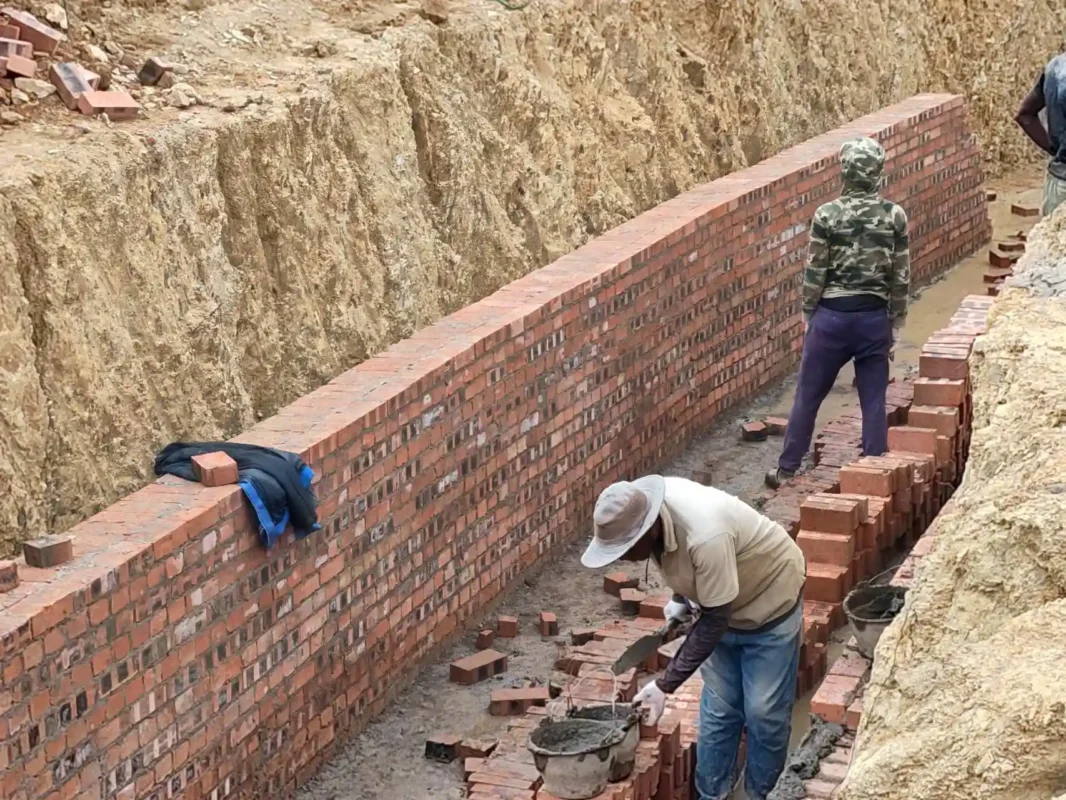
What Tunnel Kiln Installation Actually Involves
A tunnel kiln installation is a six-phase construction project: site assessment, civil works, structure erection, mechanical fit-out, automation, and commissioning. Each phase feeds the next — a mistake in the ground survey in week one becomes a cracked kiln car track in year three.
Before going phase by phase, three terms worth knowing if you are new to kilns:
- Kiln car — the refractory-topped rail cart that carries bricks through the tunnel. The kiln structure stays still; the cars move.
- Refractory lining — the heat-resistant brick and insulation layers inside the kiln walls and roof that keep heat in and the steel structure cool.
- Commissioning (first firing) — the controlled heat-up that cures the refractory before production begins. Skip or rush it and the lining cracks.
Phase 1: Site Assessment and Kiln Design
Why raw material testing comes first
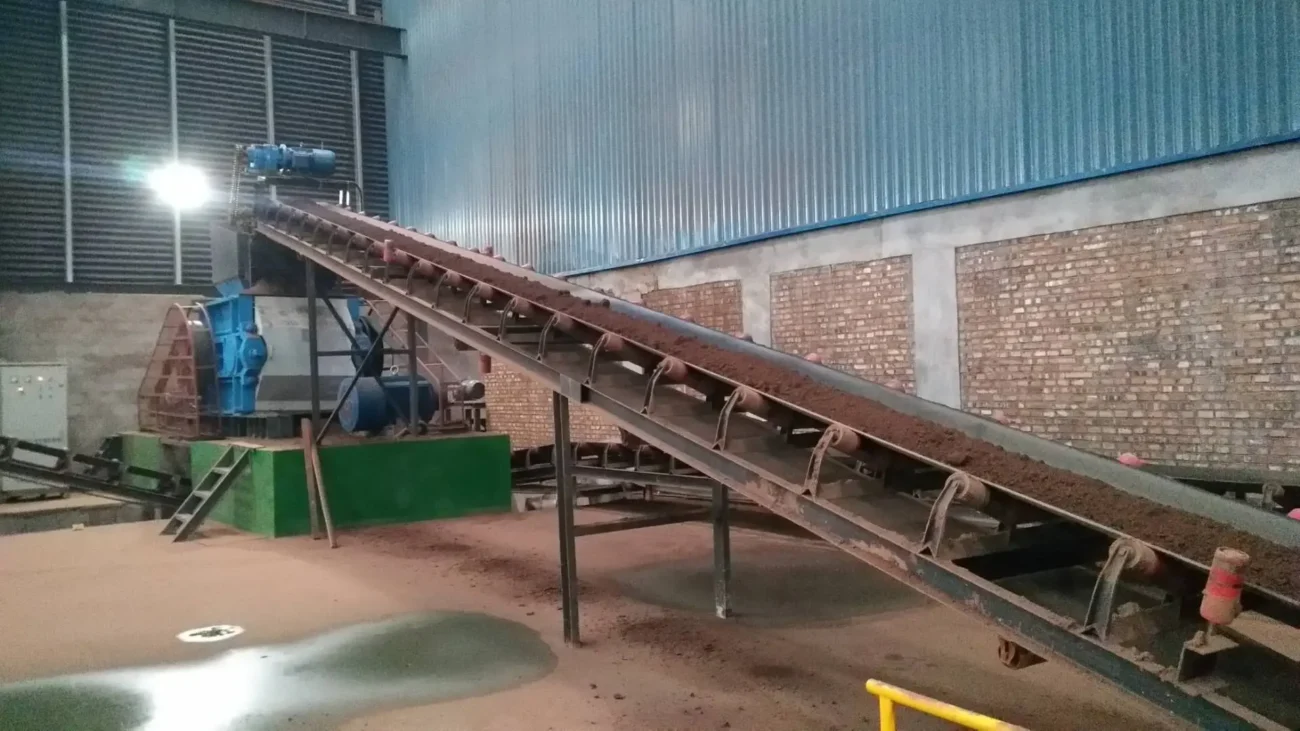
The clay or shale you plan to fire determines almost everything downstream: drying zone length, firing temperature profile, and even the recommended kiln cross-section. Two brick plants 50 km apart can need noticeably different kiln designs. A competent supplier will test your raw material for plasticity, moisture behaviour and chemical composition before drawing anything.
Capacity planning sets the kiln size
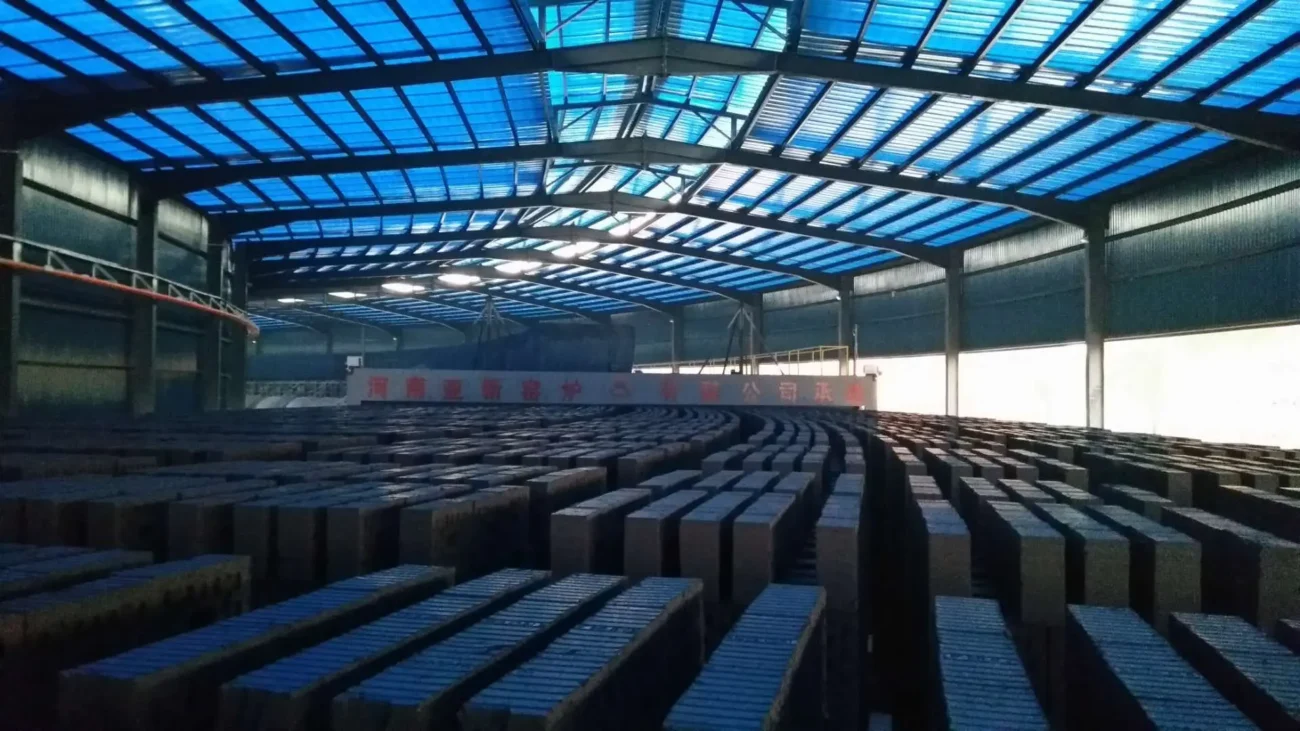
Daily output targets drive the kiln’s cross-section and length. As a reference frame, modern large-section kilns commonly range from roughly 10.8 m up to 17.3 m cross-section, with production capacities from around 300,000 to 700,000 standard bricks per day at the top end. Yaxin’s ultra-large projects in Kaifeng, China and Uzbekistan sustain 600,000–700,000 bricks per day. Over-sizing “for future growth” adds civil cost and fuel waste; under-sizing caps your plant from day one.
Geotechnical survey
The ground must be checked for bearing capacity and settlement behaviour, because a tunnel kiln is a long, heavy, precision-aligned structure. Uneven settlement of even a few millimetres across a 100+ m kiln will bind kiln cars and jam seals.
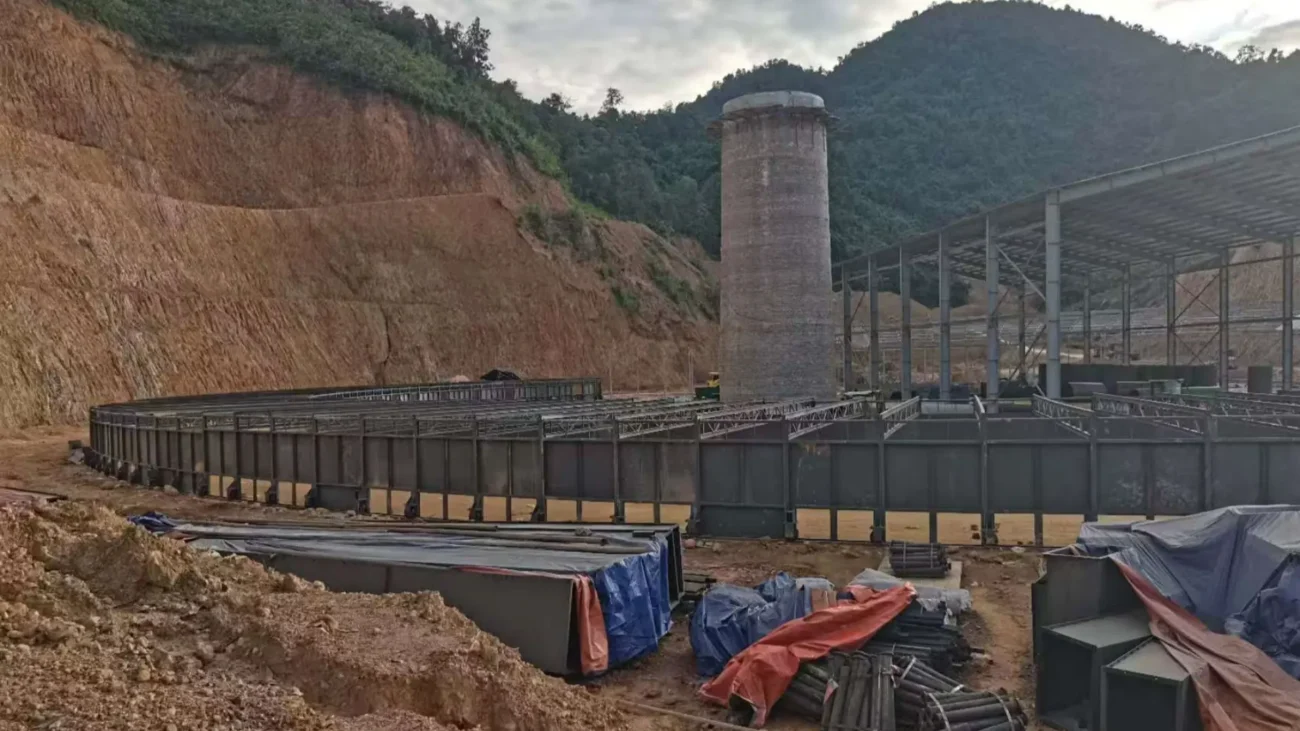
Phase 2: Civil Works and Foundations
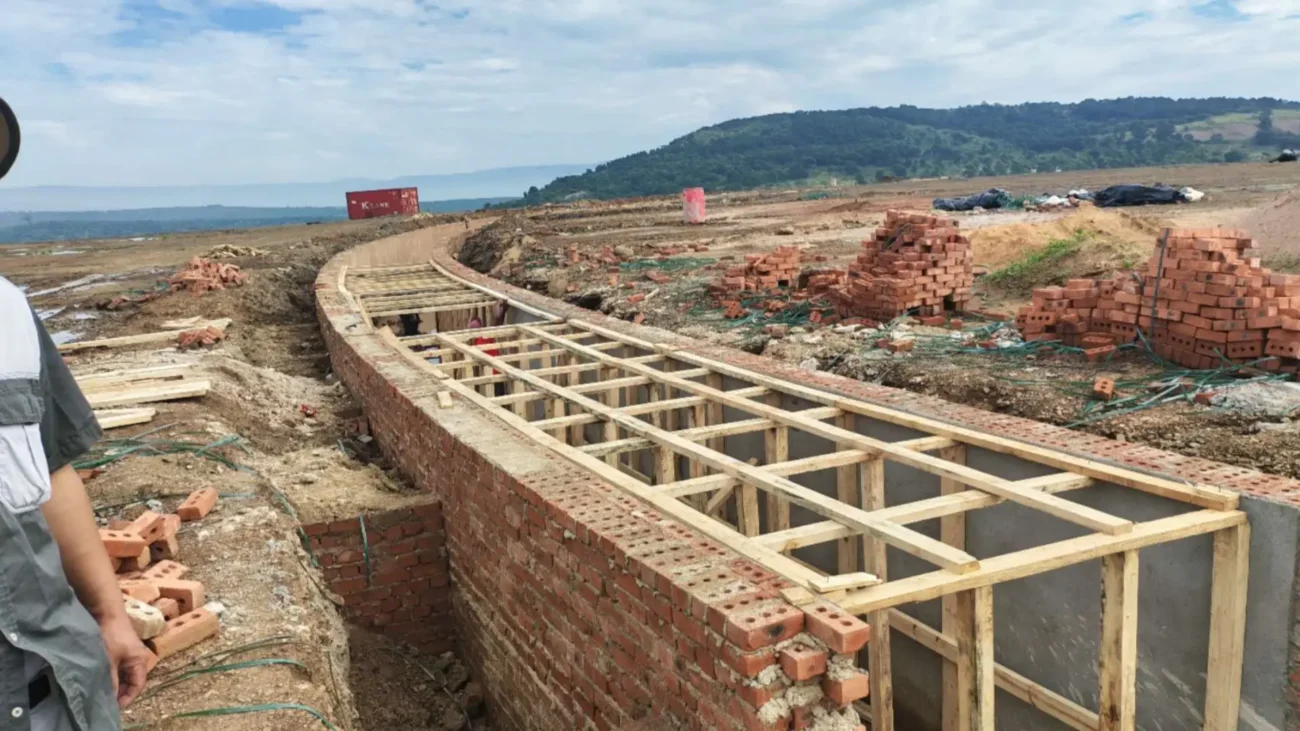
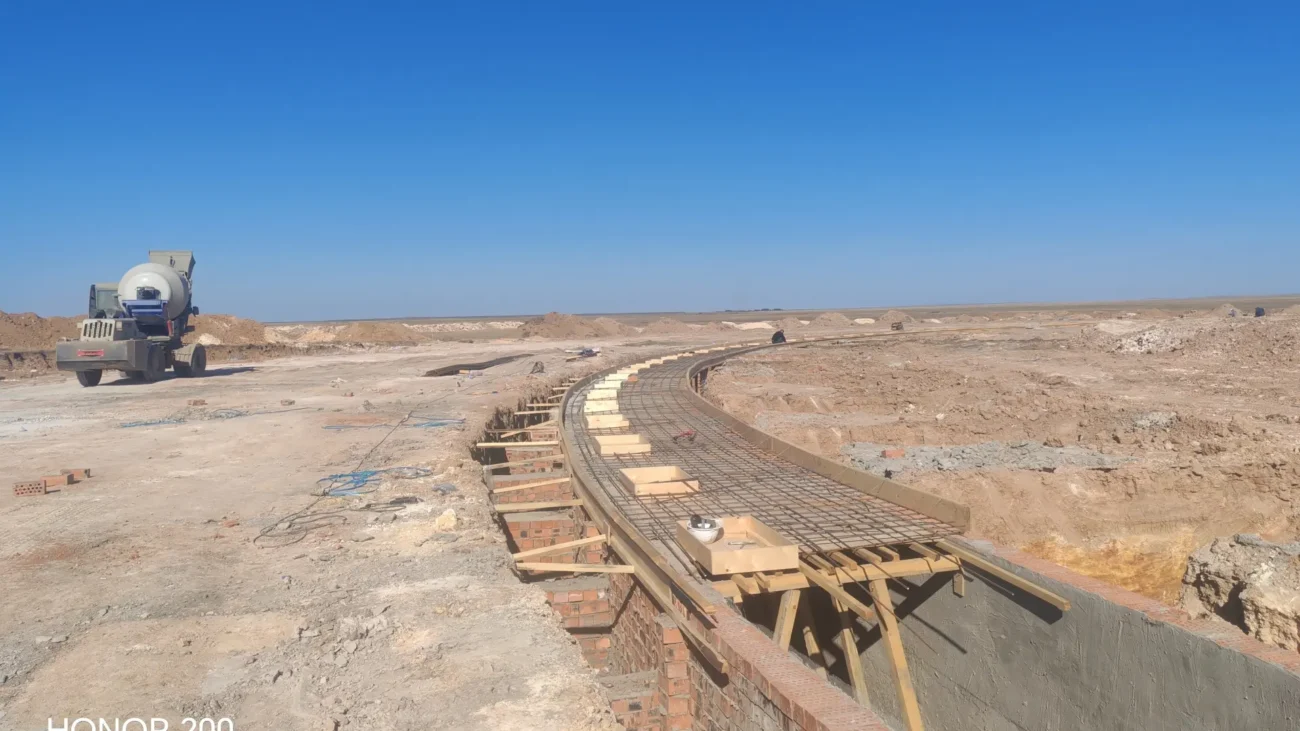
Rail and track foundations
The kiln car rails run the full length of the drying and firing tunnel and must be set to tight level tolerances. Foundations are typically reinforced concrete beams on compacted, surveyed subgrade. In mobile rotary tunnel kilns this requirement is reduced — more on that in the comparison table below.
Utility provisioning
Three services need to reach the kiln before erection starts:
- Fuel supply — coal yard and feed system, natural gas line, or dual-fuel burner supply
- Power — three-phase supply sized for fans, hydraulic drives and the PLC control room
- Water — for humidification in the drying zone and general plant use
Retrofitting utilities after erection means trenching around fresh refractory — expensive and avoidable.
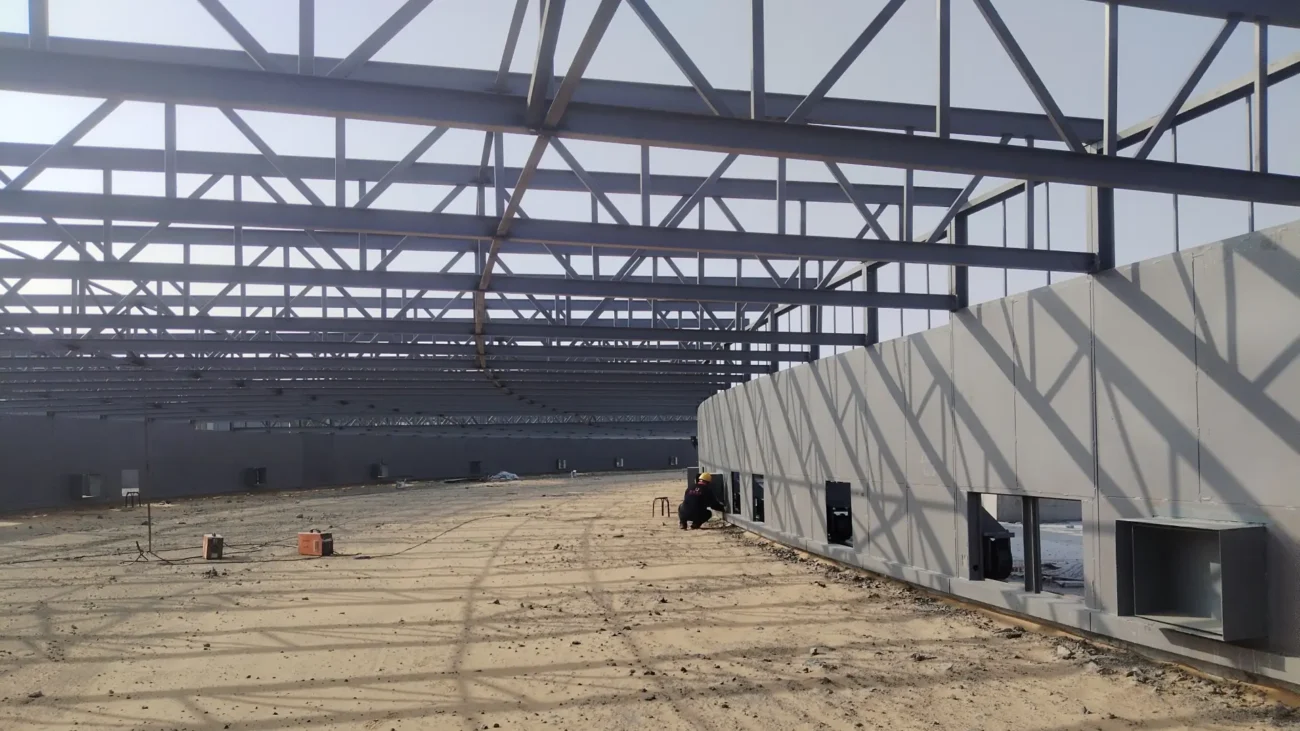
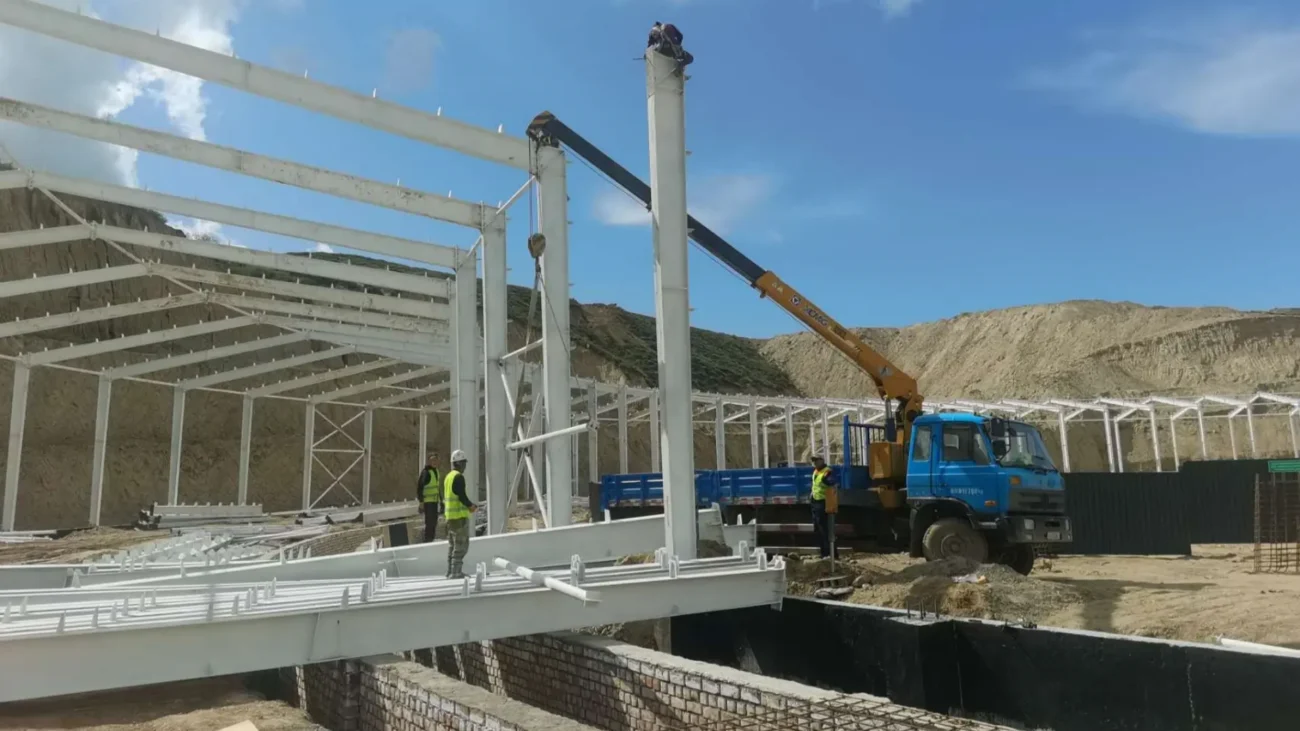
Phase 3: Kiln Structure Erection
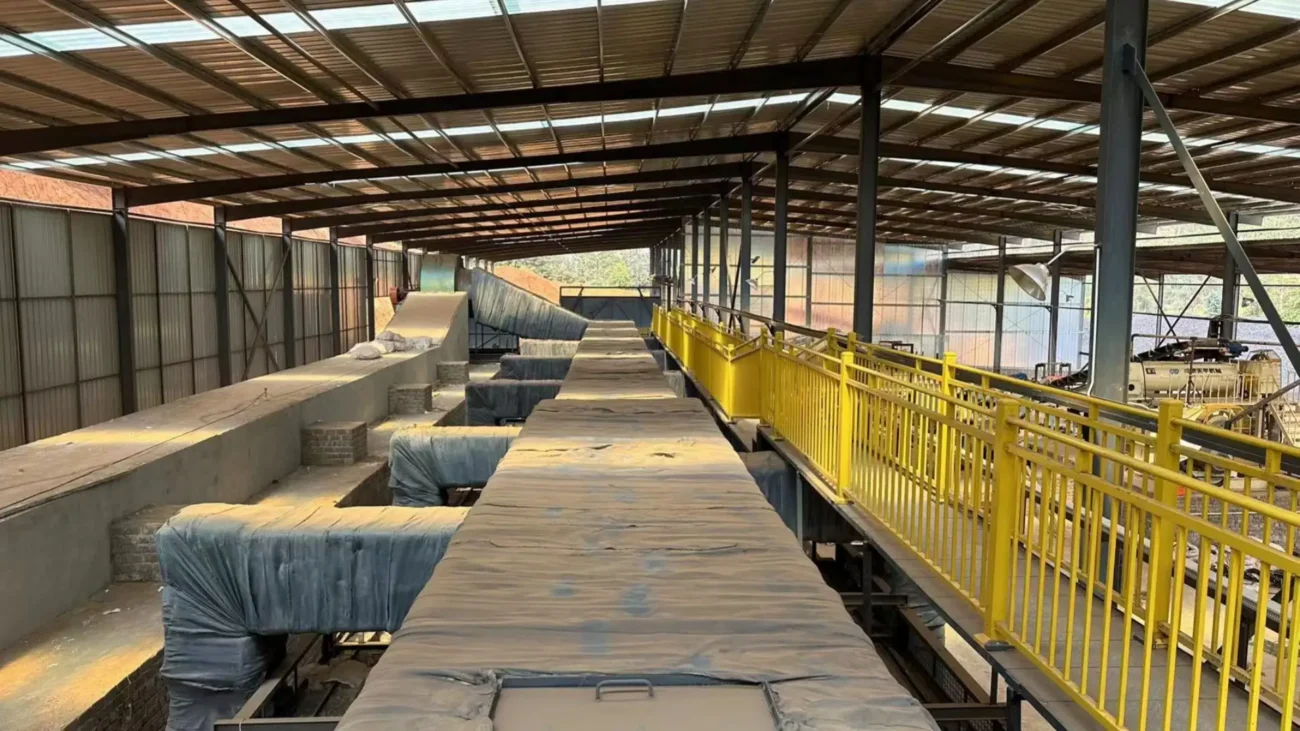
Steel structure
The tunnel is built as a bolted steel frame — lintels, columns, roof beams — sized for thermal expansion. Because the kiln body operates hot while ambient air stays cool, the structure must allow controlled expansion rather than fight it. Kiln body steelwork on a well-built kiln is designed for a 10-year no-overhaul service life, with refractory insulation layers rated for around 5 years before scheduled replacement. [VERIFY — confirm current warranty terms with engineering]
Refractory lining and insulation
Walls and roof receive layered refractory brick plus low-thermal-mass insulation. This is the single most quality-sensitive step in the whole installation: lining quality decides fuel consumption, temperature uniformity and maintenance intervals for years.
Zone separation
The tunnel is divided into three functional sections, each lined and instrumented differently:
| Zone | What happens | Typical temperature range |
| Preheating / drying | Residual moisture removed from green bricks | 100–300 °C |
| Firing | Silica and alumina reactions develop strength and colour | 900–1,100 °C |
| Cooling | Controlled heat recovery into incoming air | Falling gradient |
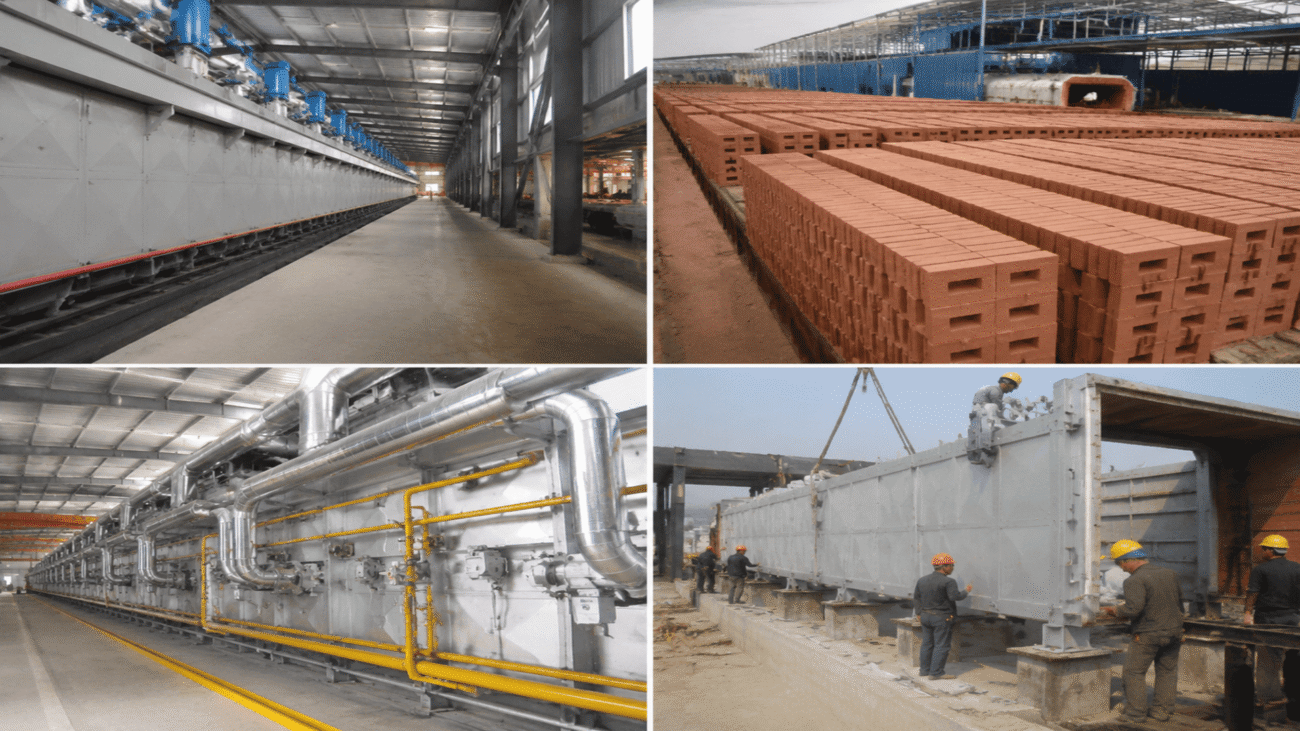
Phase 4: Mechanical Systems
With the shell up, the moving parts go in:
- Kiln cars and rails — refractory-topped cars, ferrying systems and hydraulic rams that push the train of cars through the tunnel
- Fans and ducting — for air circulation, pulse firing support and heat recovery
- Burners — coal, gas or dual-fuel, positioned along the firing zone
- Seals — sand seals and door curtains that stop heat leaking where cars enter and exit
Poor seal installation is one of the most common causes of excess fuel consumption in the first year of operation — a small gap becomes a permanent fuel bill.
Phase 5: Electrical and Automation
Modern kilns are run by PLC automation rather than by an experienced burner operator watching flame colour. During this phase the control room, temperature sensors along the tunnel, pressure sensors, car-position tracking and burner modulation are wired and configured.
On large-section kilns, PLC-controlled pulse firing distributes heat across a wide cross-section far more evenly than manual firing ever could — which is exactly what makes 17.3 m-wide kilns viable. Waste-heat recovery loops are also commissioned here, feeding drying-zone heat that would otherwise be exhausted.
Phase 6: Commissioning and First Firing
Refractory must be cured slowly. The first heat-up follows a controlled ramp — often several days to two weeks depending on lining thickness — that drives out remaining moisture from refractory cement and bricks without creating steam pressure inside the lining. [VERIFY — exact ramp schedule per project]
The commissioning sequence then typically runs:
- Cold checks — rail alignment, car movement, seal integrity, sensor calibration
- Dry-out curve — slow ramped heat-up per schedule
- Soak — holding temperature to stabilise the lining
- Trial production — first loaded cars through at reduced speed
- Performance acceptance — output, fuel consumption and product quality measured against the design specification
Only after acceptance should the plant be handed to production staff, with operator training completed.
How Long Does Tunnel Kiln Installation Take?
The honest answer is that it depends on kiln type and site readiness — but here are realistic planning ranges:
| Factor | Fixed tunnel kiln | Mobile rotary tunnel kiln |
| Civil works required | Full permanent foundations | Substantially reduced |
| Typical design-to-production timeline | 8–12 months [VERIFY] | 4–6 months [VERIFY] |
| Relocatable later | No | Yes — kiln body moves, structure designed for it |
| Best suited to | Very large permanent plants | Fast-start or capacity-flexible projects |
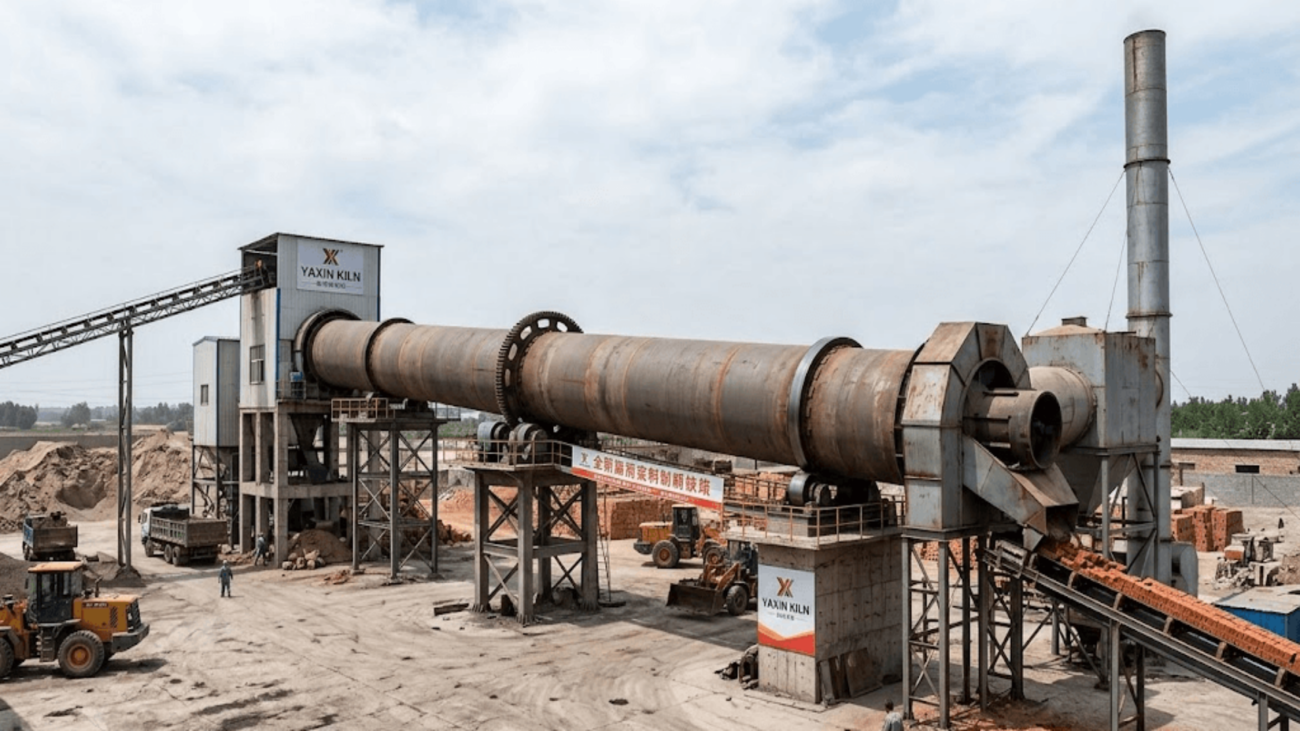
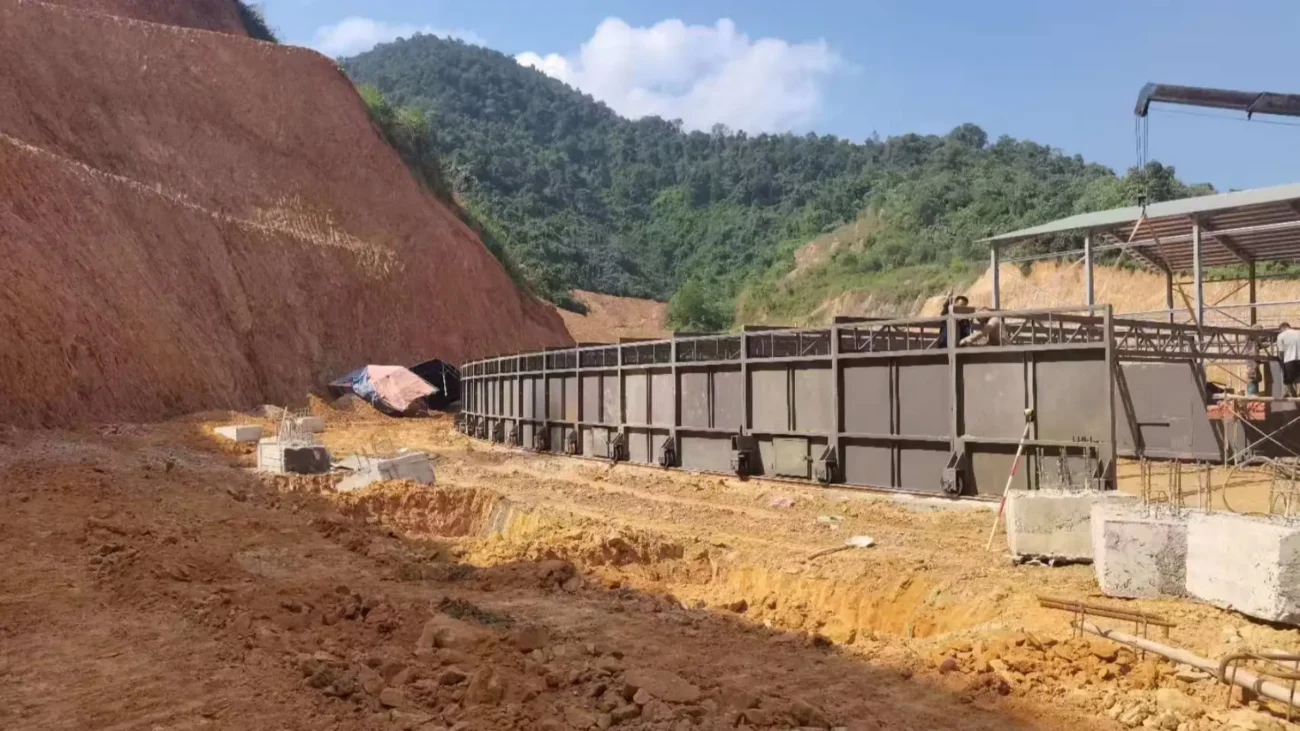
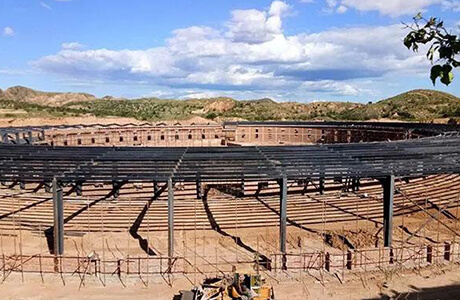
A mobile rotary tunnel kiln inverts the usual design: the bricks stay still and the kiln body itself rotates around a circular track. This is why construction time and civil engineering cost both drop — there is no long straight tunnel to found and align. Our Uzbekistan 17.3 m mobile tunnel kiln project covers a working example end to end.
Where Installation Projects Go Wrong
After constructing kilns across two continents, the recurring failure patterns are remarkably consistent:
- Skipped or shallow site investigation — settlement problems surface as jammed cars within the first two years
- Utilities sequenced late — a finished kiln waiting on a gas connection is capital sitting idle
- Rushed commissioning curves — cracked linings and a shortened refractory life to save two weeks
- No operator training handover — a well-built kiln run badly produces rejects and burns excess fuel
- Buying on equipment price alone — the cheapest kiln with the thinnest lining is rarely the cheapest kiln per brick produced
If you want to understand the economics behind that last point, see how much a mobile rotary tunnel kiln costs, and how fuel consumption reduction techniques change the operating side of the equation.
Who Does What: Supplier Scope vs Your Scope
| Task | Turnkey supplier (e.g., Yaxin) | Buyer / plant owner |
| Raw material testing | ✔ | Provides samples |
| Kiln design and engineering | ✔ | |
| Civil works | Supervised by supplier | ✔ (local contractor) |
| Equipment manufacture | ✔ | |
| Shipping and logistics | ✔ | Customs clearance support |
| On-site assembly | ✔ | Site access, utilities |
| Commissioning and first firing | ✔ | |
| Operator training | ✔ | Nominates trainees |
| Ongoing technical support | ✔ 24/7 |
The buyer’s two critical contributions are a properly prepared site and a responsive local contractor during civil works. Everything else in a turnkey scope should sit with the supplier.
Frequently Asked Questions
How long does tunnel kiln installation take?
For a fixed tunnel kiln, plan on roughly 8–12 months from design to first production; mobile rotary tunnel kilns compress this to around 4–6 months because civil works are far lighter. [VERIFY ranges with project history]
Can a tunnel kiln be relocated?
Fixed tunnel kilns cannot. Mobile rotary tunnel kilns can — the kiln body travels a circular rail and is designed to be dismantled and rebuilt at a new site, which is one of their main advantages for clay reserves that deplete.
What site conditions does a kiln need?
Level ground with adequate bearing capacity, road access for heavy equipment, and connections for fuel, power and water. A geotechnical survey is the first thing a serious supplier will request.
Does the supplier build the foundations?
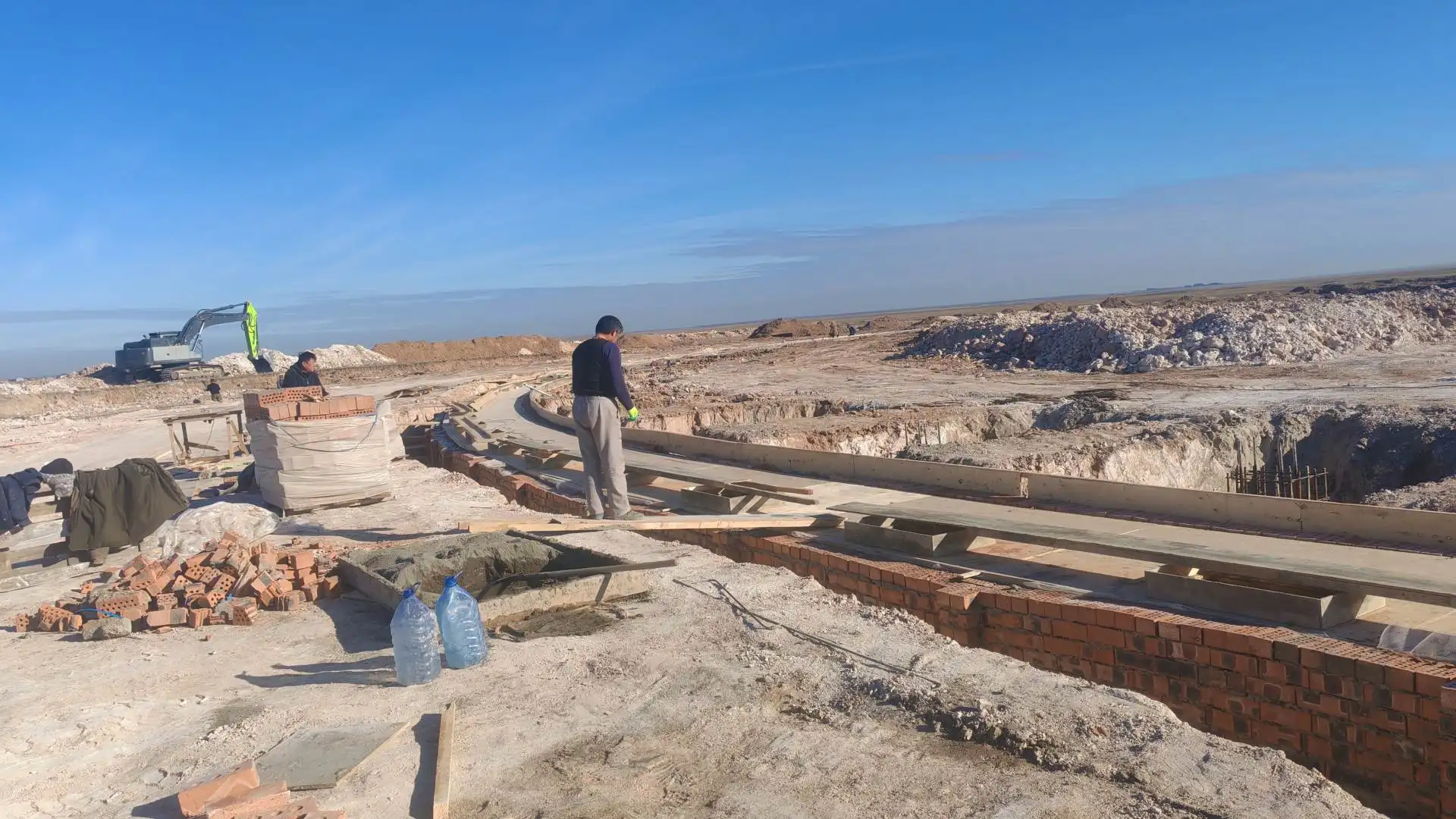
In a turnkey scope, the supplier designs and supervises civil works while a local contractor executes them. This split keeps structural responsibility clear while letting you use local labour rates.
What is kiln commissioning and why does it matter?
Commissioning is the controlled first heat-up that cures the refractory lining, followed by trial production and performance acceptance. Rushing it is the most common self-inflicted cause of early refractory failure.
How many people does a modern kiln need to operate?
PLC-automated kilns are designed to run with small crews relative to output — one reason automated large-section kilns have displaced older manual-firing designs. Exact crew size depends on the plant’s handling automation. [VERIFY typical crew figures]
What happens after installation is complete?
Operator training, performance acceptance testing against the design specification, and then ongoing maintenance — daily-to-monthly checks that are covered in our tunnel kiln maintenance guide.
Next Steps
Understanding installation is the first piece of the picture. When you are ready to go deeper:
- Compare daily output options in our guide to tunnel kiln production capacity
- Understand the cost structure in our mobile rotary tunnel kiln cost breakdown
- Or contact our engineering team for a site-specific assessment — the first consultation is where a real project starts.
About the author
[AUTHOR NAME], Senior Kiln Engineer at Henan Yaxin Kiln Co., Ltd. [N] years in kiln design and construction, with on-site commissioning experience across China, Central Asia and Southeast Asia. Henan Yaxin Kiln holds 12 Chinese invention and utility patents in mobile rotary tunnel kiln technology and is a vice chairman unit of the China Wall Materials Science Information Network.