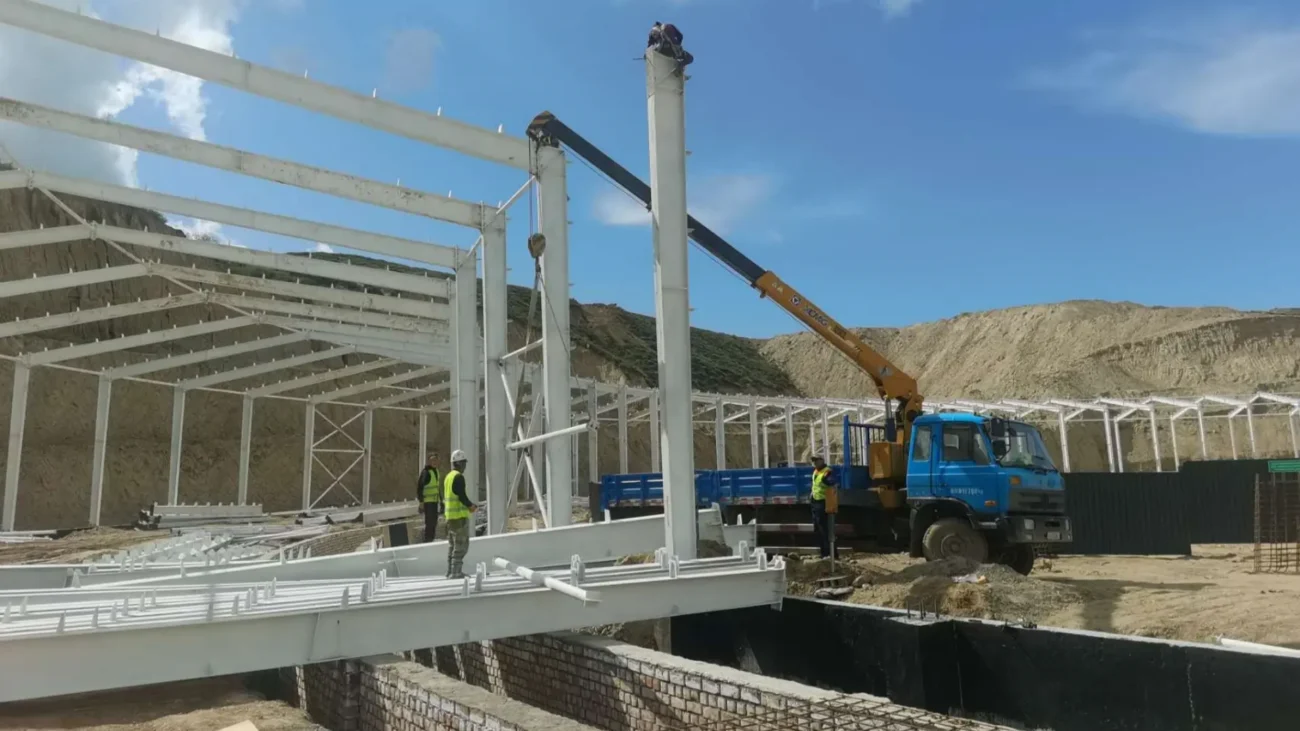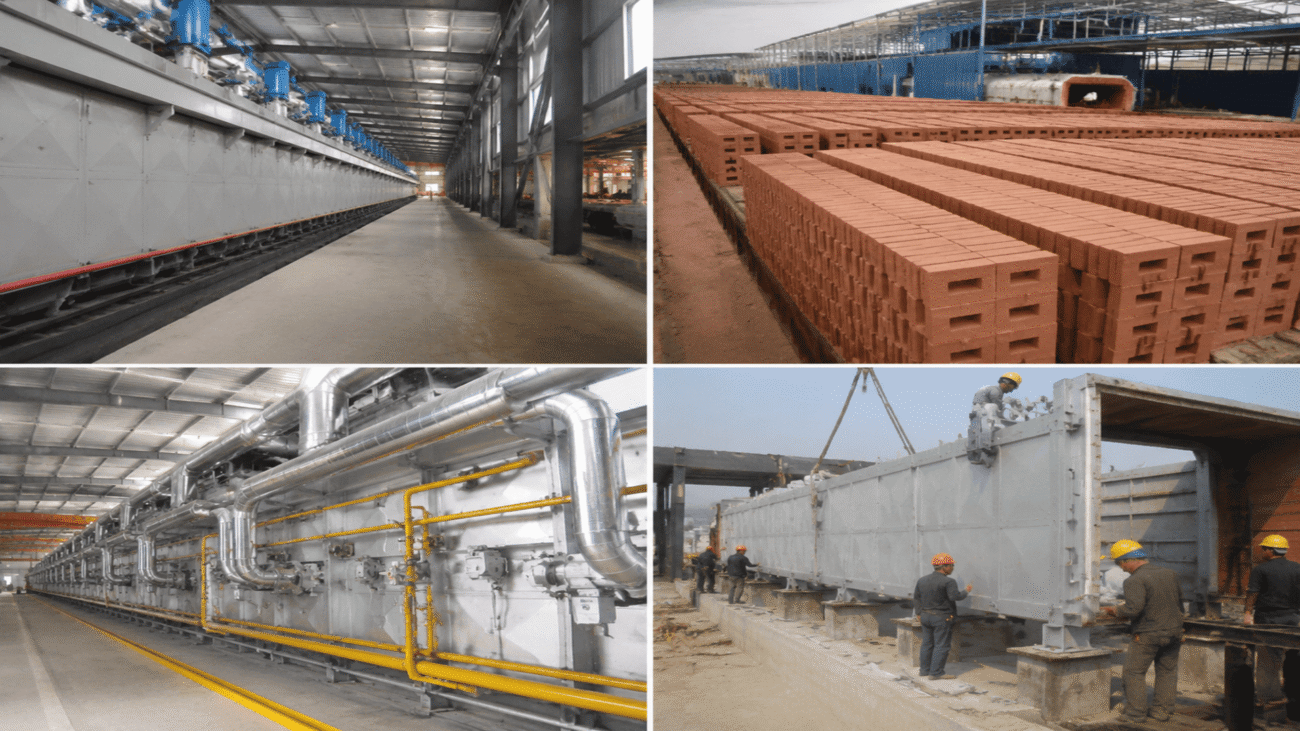
Tunnel Kiln for Red Brick Production: Key Design Requirements

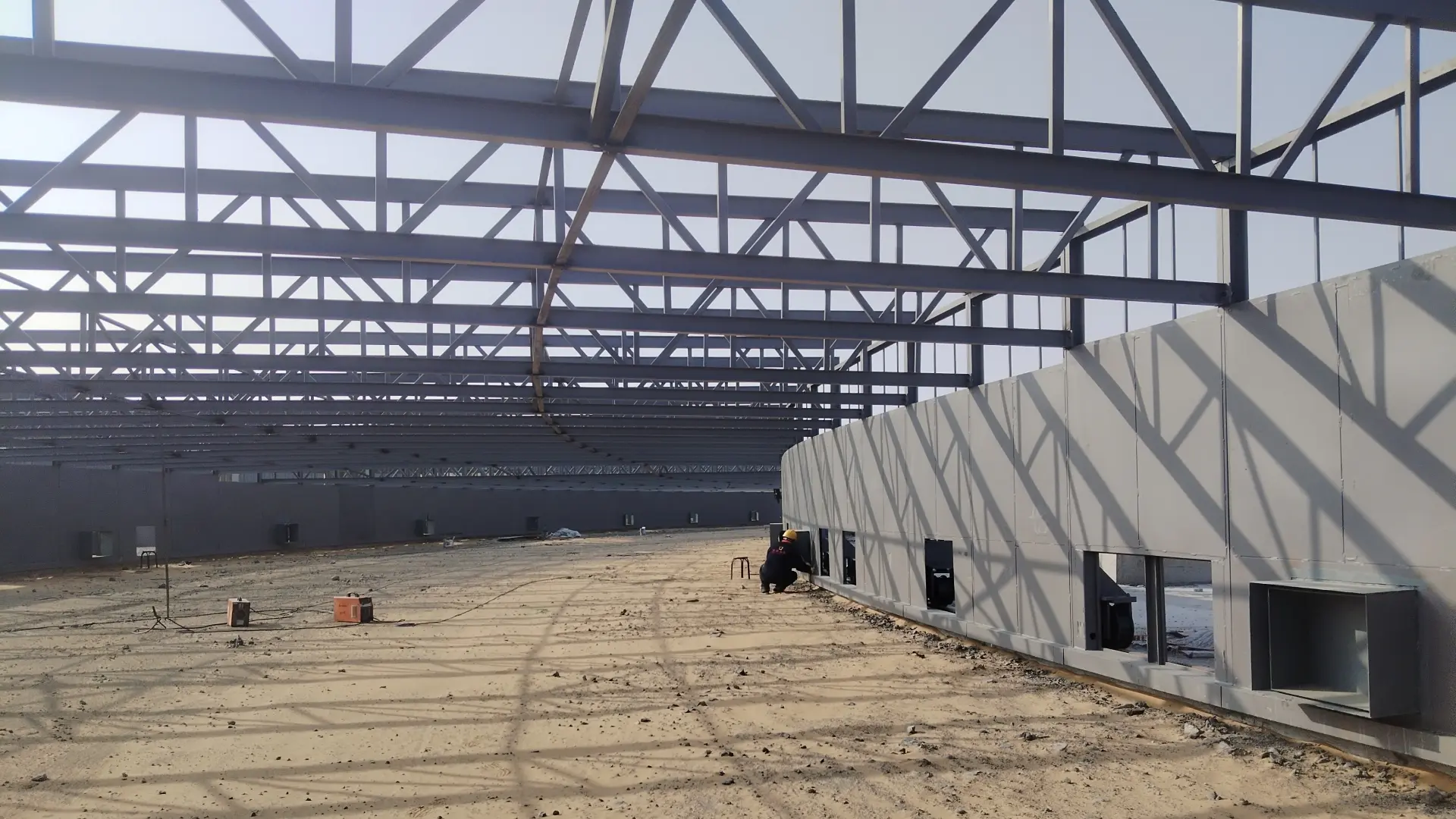
Tunnel Kiln for Red Bricks: Production Process & Buying Guide
For modern brick manufacturers, choosing the right firing system is one of the most important decisions when building or upgrading a red brick production line. A tunnel kiln for red bricks provides continuous firing, stable product quality and better production efficiency compared with traditional intermittent kiln systems.
However, selecting a suitable tunnel kiln requires more than understanding the basic working principle. Manufacturers need to consider production capacity, fuel availability, brick specifications, automation level and long-term operating costs.
This guide explains how tunnel kilns are used for red brick production and what factors should be evaluated before investing in a complete brick firing solution.
What Is a Tunnel Kiln for Red Brick Production?
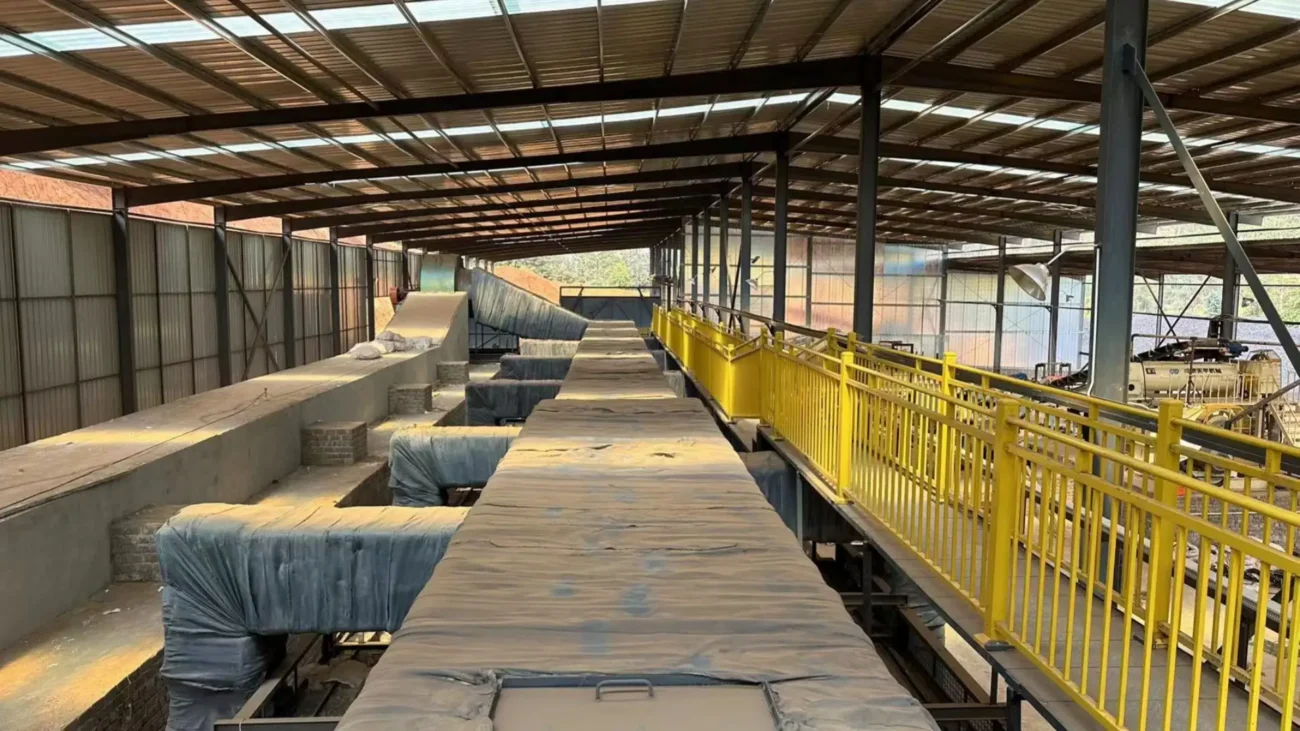
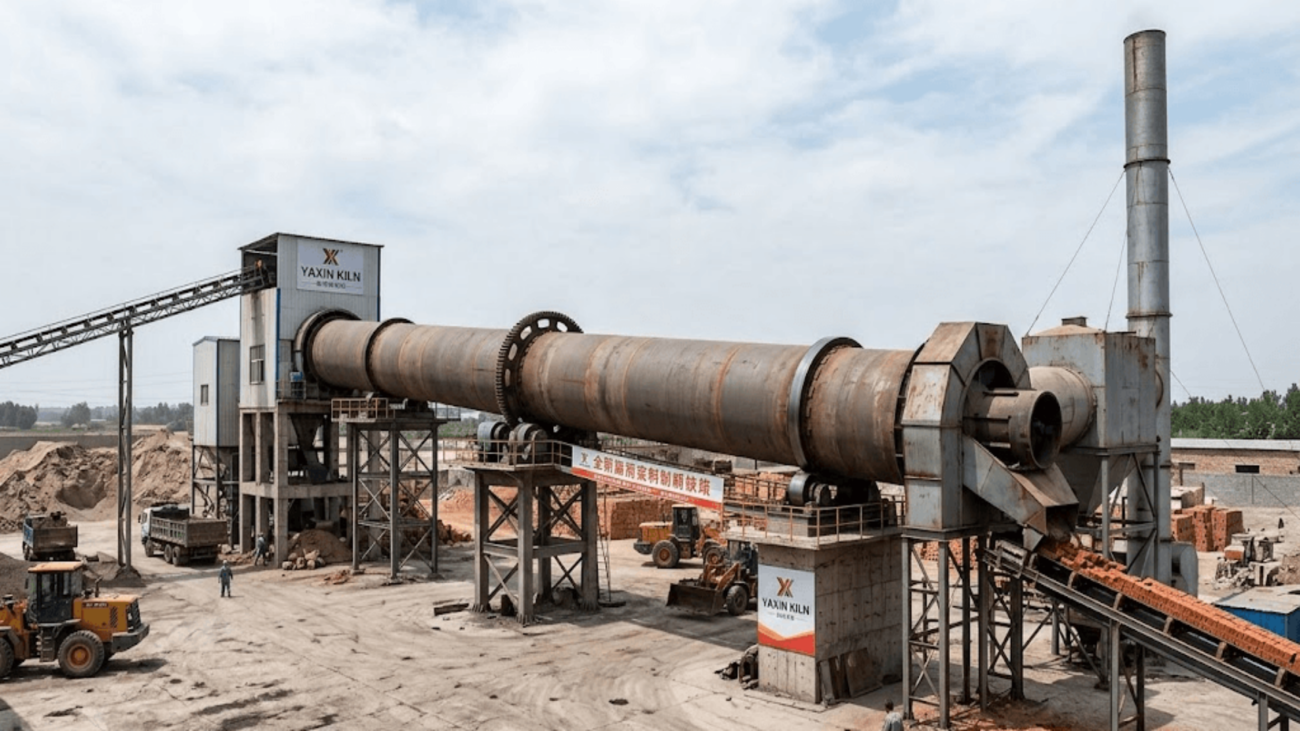
A tunnel kiln is a continuous industrial kiln designed for large-scale brick firing. Unlike traditional batch kilns, where bricks are loaded, fired and unloaded separately, a tunnel kiln allows bricks to move continuously through different temperature zones.
During the firing process, green bricks pass through:
- Preheating zone
- Firing zone
- Cooling zone
Each section is controlled to maintain suitable temperature conditions, helping manufacturers achieve consistent brick strength, color and dimensional accuracy.
For red brick factories producing large volumes, a tunnel kiln can provide a more stable production process and reduce fluctuations caused by manual firing operations.
How Does a Tunnel Kiln Produce Red Bricks?
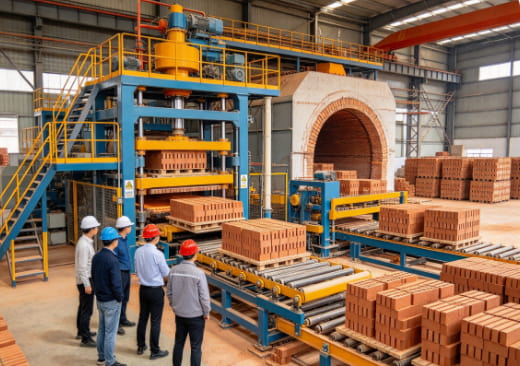
The tunnel kiln firing process is usually integrated with the complete brick production line.
1. Raw Material Preparation
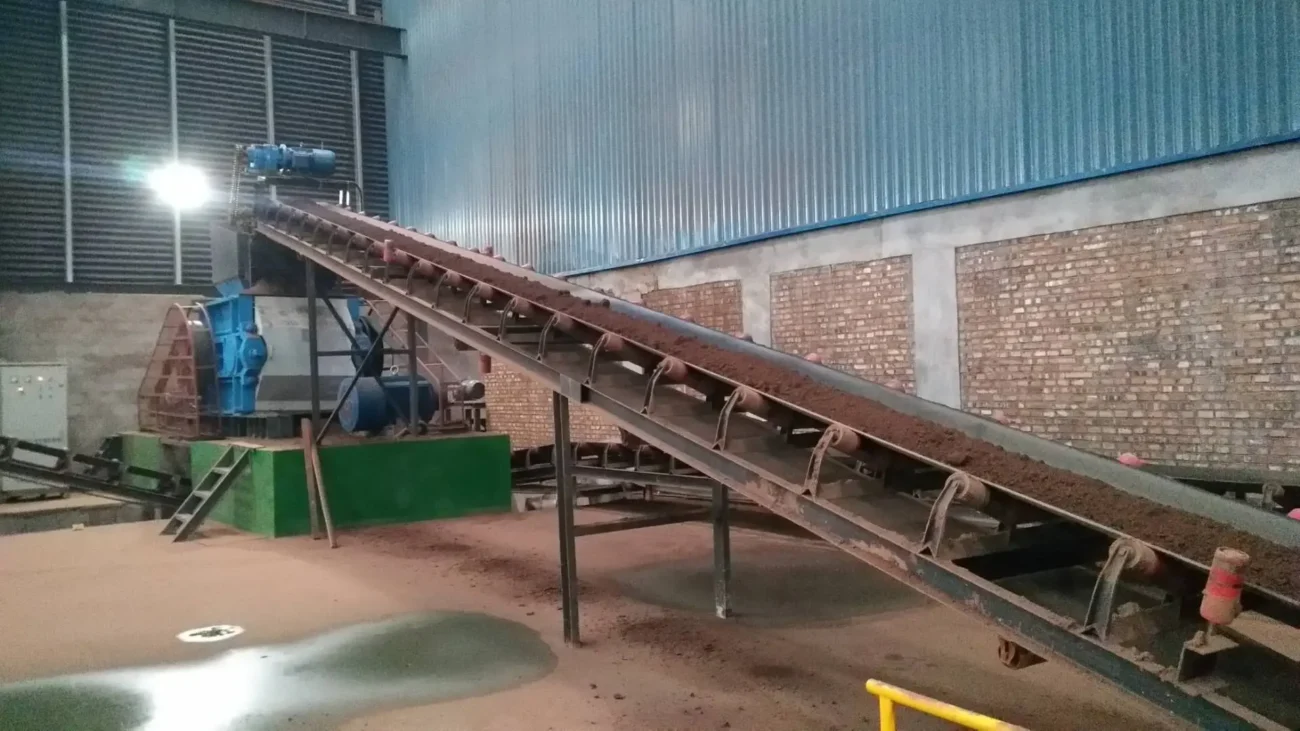
Clay or other raw materials are processed through crushing, mixing and preparation equipment to achieve suitable plasticity and moisture content.
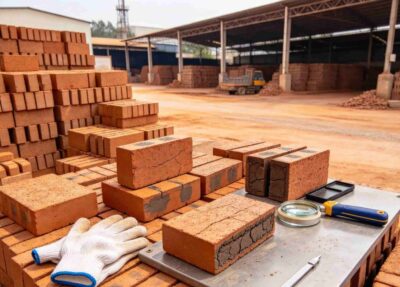
The quality of raw materials directly affects the final brick performance, so manufacturers usually conduct material testing before designing the kiln system.
2. Brick Forming and Drying
After shaping, green bricks need to be dried before entering the tunnel kiln.
Proper drying reduces moisture inside the bricks and helps prevent common problems such as cracking or deformation during firing.
3. Continuous Firing in Tunnel Kiln
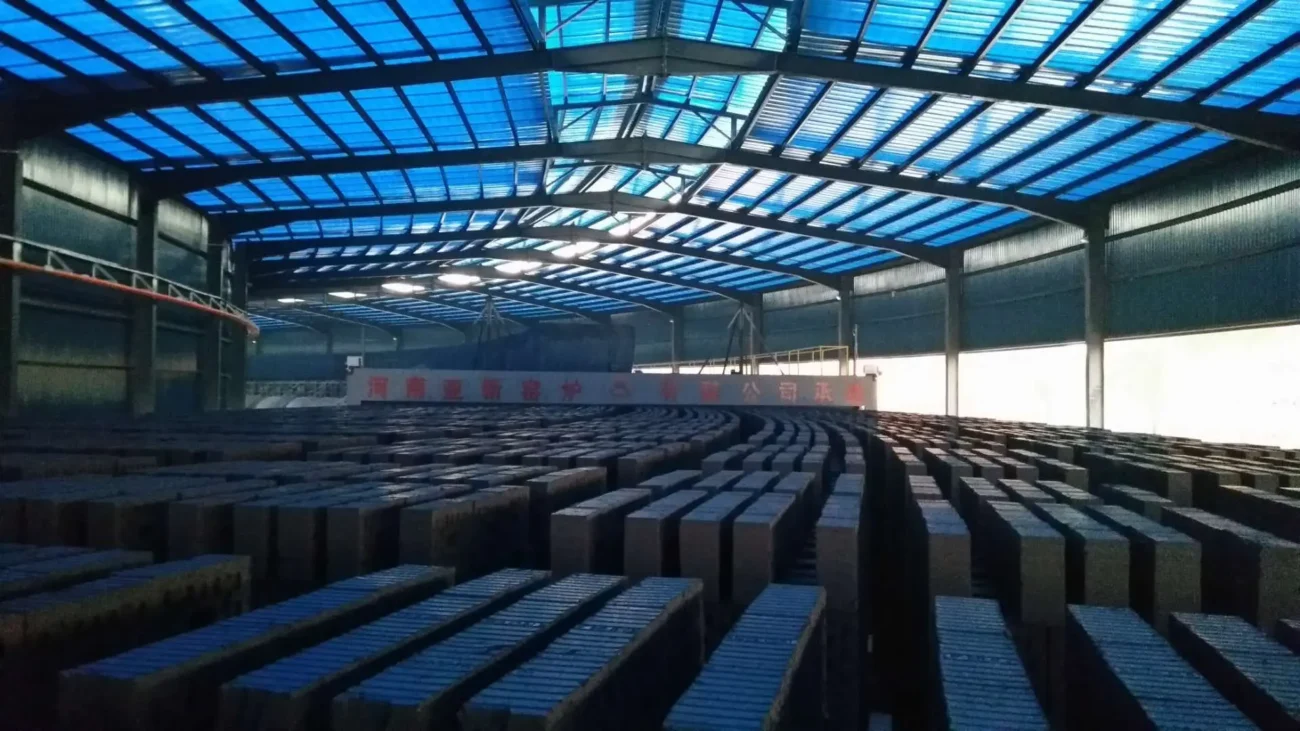
Dried bricks are loaded onto kiln cars and gradually move through the tunnel kiln.
The temperature profile is carefully controlled:
- Preheating removes remaining moisture
- High-temperature firing develops brick strength and durability
- Cooling prepares finished bricks for unloading
A well-designed tunnel kiln helps maintain consistent firing conditions throughout the production cycle.
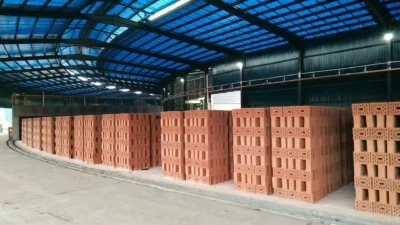
Why Use a Tunnel Kiln for Red Bricks?
Stable Brick Quality
One of the main advantages of a red brick tunnel kiln is consistent temperature control.
Compared with traditional firing methods, tunnel kilns reduce temperature fluctuations and help manufacturers produce bricks with more uniform color, strength and size.
Continuous Production
Tunnel kilns are designed for continuous operation. This makes them suitable for brick plants that require stable daily output instead of occasional batch production.
Production capacity depends on:
- Kiln length
- Brick size
- Firing cycle
- Loading arrangement
- Automation level
Better Energy Efficiency
Modern tunnel kiln systems can optimize heat utilization through improved airflow design and heat recovery methods.
Reduced fuel consumption can help manufacturers lower operating costs over the long term.
Lower Manual Operation Requirements
Automation systems can control kiln temperature, movement speed and production parameters more accurately.
This reduces dependence on manual operation and improves production stability.
Factors to Consider When Choosing a Red Brick Tunnel Kiln
Selecting the right tunnel kiln supplier requires evaluating several technical factors.
Production Capacity Requirements
The required output is one of the first factors to determine.
A small brick factory may need a compact tunnel kiln, while large-scale manufacturers usually require longer kilns with higher automation levels.
Before selecting equipment, manufacturers should confirm:
- Daily brick output requirements
- Brick dimensions
- Factory operating schedule
- Future expansion plans
Fuel Options and Local Conditions
Different regions have different fuel availability and operating costs.
Tunnel kilns can be designed according to local energy conditions, including:
- Natural gas
- Coal gas
- Biomass fuel
- Other industrial fuel systems
The selected fuel system should consider both current availability and long-term operating expenses.
Brick Type and Raw Material Characteristics
Not all clay materials behave the same during firing.
A professional tunnel kiln design should consider:
- Clay composition
- Brick size
- Moisture content
- Required firing temperature
- Final product standards
These factors influence kiln structure and temperature control settings.
Automation and Control System
Modern brick manufacturers increasingly focus on production stability and reduced labor costs.
A tunnel kiln control system may include:
- Temperature monitoring
- Automatic kiln car movement
- Airflow management
- Production data monitoring
Higher automation levels can improve consistency and simplify daily operation.
How Much Does a Tunnel Kiln for Red Bricks Cost?
The cost of a tunnel kiln system varies depending on project requirements.
Important factors include:
- Production capacity
- Kiln dimensions
- Fuel system
- Automation level
- Factory layout
- Installation requirements
Instead of comparing equipment prices only, manufacturers should evaluate the total production cost, including energy consumption, maintenance requirements and expected service life.
A suitable tunnel kiln solution should match the factory’s production goals and local operating conditions.
How to Choose a Reliable Tunnel Kiln Supplier?
A reliable tunnel kiln manufacturer should provide more than equipment supply.
Before making a decision, buyers should review:
Engineering Experience
Check whether the supplier understands complete brick production processes, including drying, firing and material handling.
Customized Design Capability
Every brick factory has different conditions. A professional supplier should evaluate:
- Available factory space
- Required output
- Raw material characteristics
- Local fuel conditions
Installation and Technical Support
A complete solution usually includes equipment installation guidance, commissioning support and operation training.
Choosing an experienced supplier can help reduce risks during project implementation.
Tunnel Kiln vs Traditional Brick Kilns
Compared with traditional intermittent kilns, tunnel kilns are generally preferred for larger production operations because they provide:
| Feature | Tunnel Kiln | Traditional Kiln |
|---|---|---|
| Production method | Continuous | Batch operation |
| Output stability | Higher consistency | More variable |
| Labor requirement | Lower with automation | Higher |
| Temperature control | More precise | More dependent on operation |
| Suitable production scale | Medium to large factories | Small-scale production |
The best choice depends on factory size, investment budget and production objectives.
Frequently Asked Questions
What is a tunnel kiln used for?
A tunnel kiln is mainly used for continuous firing of bricks, ceramics and other heat-treated products. In brick manufacturing, it is commonly used for large-scale red brick production.
How many bricks can a tunnel kiln produce per day?
Production capacity depends on kiln design, brick size, firing cycle and factory requirements. A customized tunnel kiln system is normally designed according to the target daily output.
What temperature is required for red brick firing?
The firing temperature depends on clay composition and brick specifications. Many red brick production processes require high-temperature firing conditions that must be adjusted according to raw material testing.
How long does a tunnel kiln last?
With proper operation and maintenance, an industrial tunnel kiln can provide many years of reliable production. Service life depends on refractory materials, operating conditions and maintenance practices.
How do I select the right tunnel kiln supplier?
Manufacturers should evaluate supplier experience, engineering capability, project references and after-sales technical support before purchasing.
Conclusion
A tunnel kiln for red bricks is an important investment for manufacturers looking to improve production efficiency, product consistency and long-term operating performance.
The right kiln solution depends on production capacity, raw materials, fuel conditions and factory requirements. Working with an experienced tunnel kiln supplier helps ensure that the equipment design matches actual production needs.
For customized tunnel kiln solutions for red brick manufacturing, professional technical evaluation is recommended before project planning.