How to Choose Between Prefabricated and Mobile Tunnel Kilns

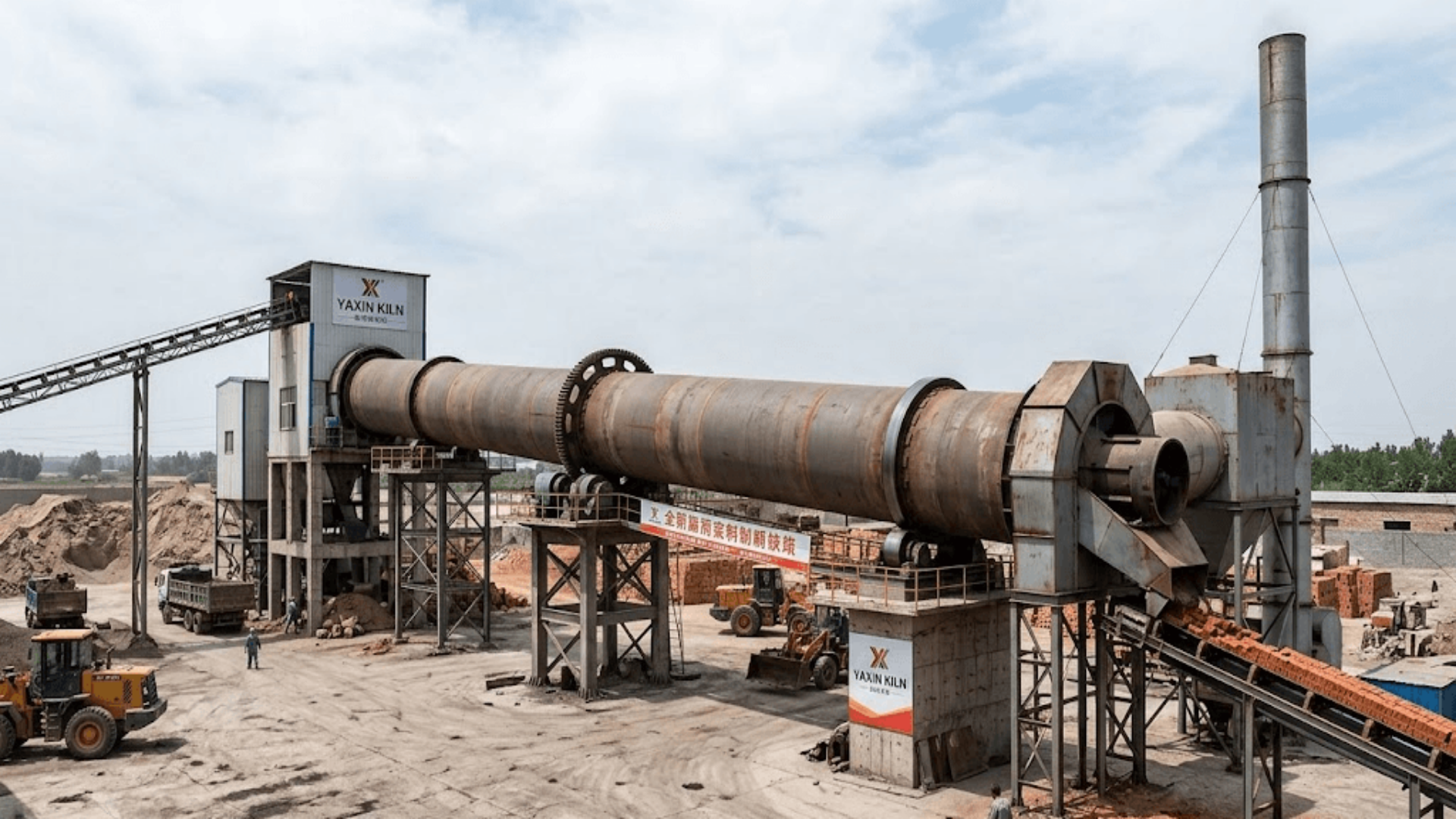
The phrase prefabricated vs mobile tunnel kiln frames a common procurement decision for ceramic, brick and refractory producers weighing factory-built modular bodies against on-site mobile-track systems. This guide helps procurement, engineering and operations teams compare real-world criteria so you can build an RFQ that elicits comparable proposals.
Below are practical decision factors, a concise comparison table, and an RFQ/validation checklist to include when you request supplier data or site trials. Supplier feature statements are attributed and should be validated in your RFQ and site acceptance tests.
prefabricated vs mobile tunnel kiln: core difference
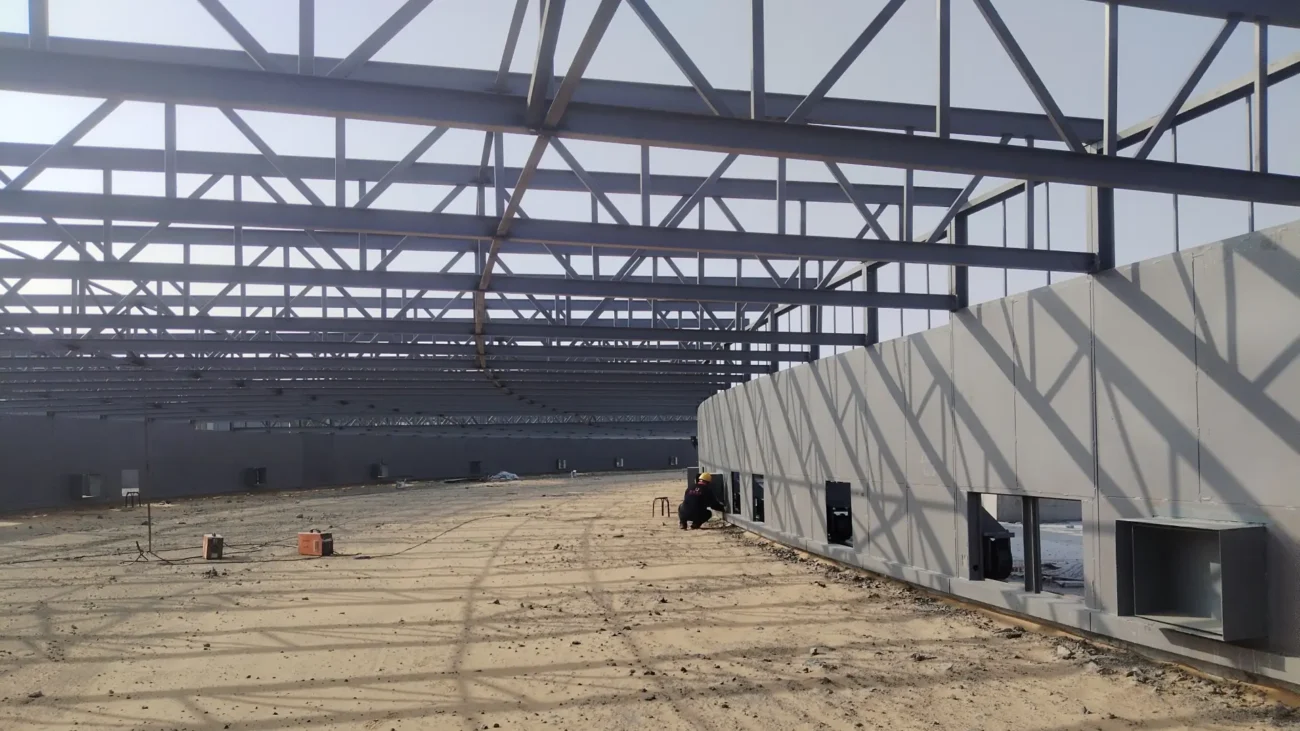
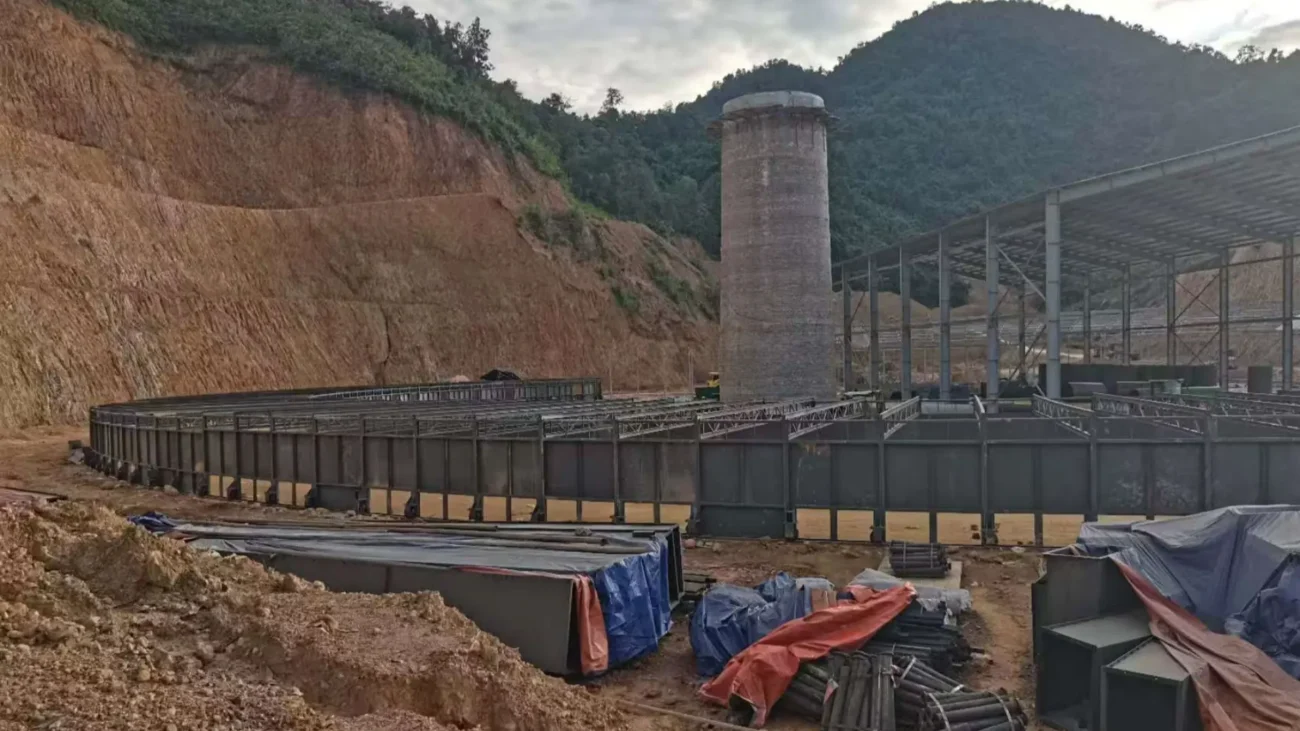
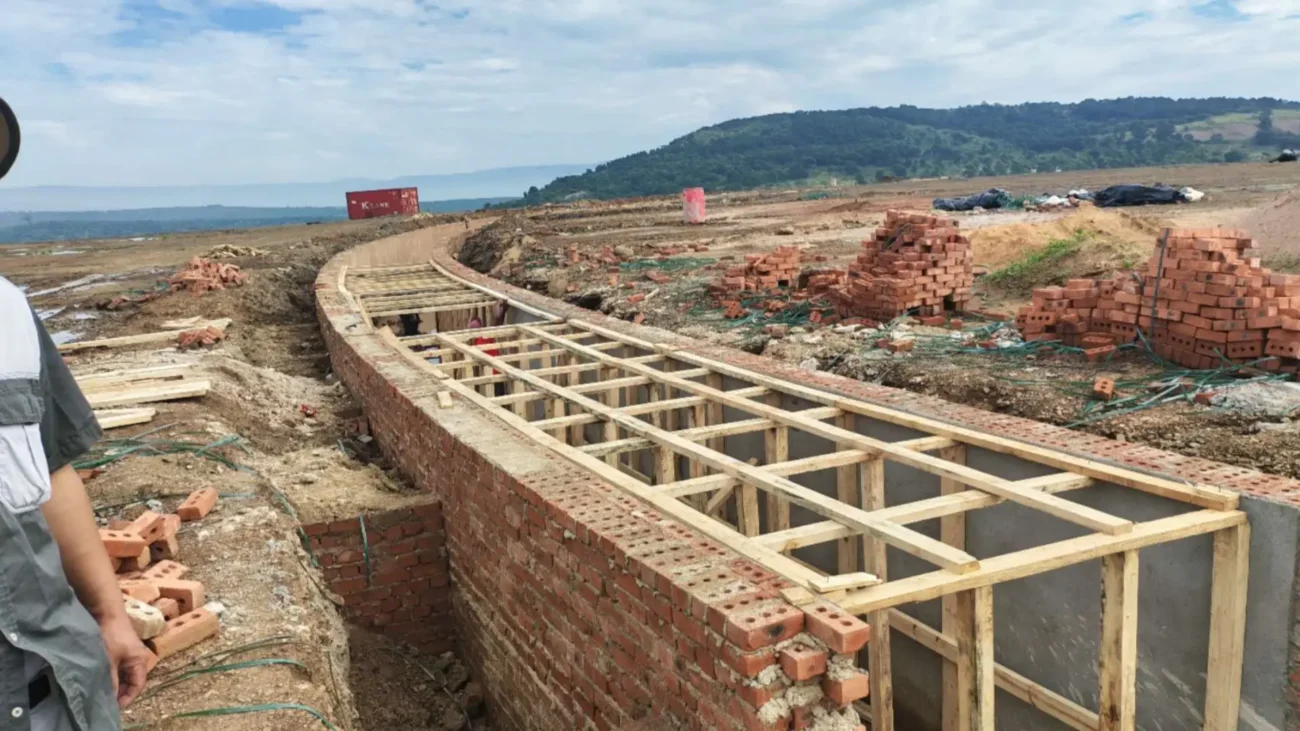
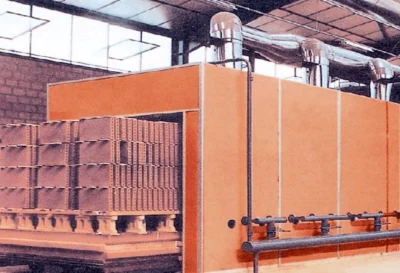
At a high level, a prefabricated tunnel kiln is assembled from modular, factory-built sections that create a large cross-section kiln body and fixed track layout, while a mobile tunnel kiln uses movable kiln cars or tracks that allow product movement or reconfiguration on site. Independent guidance recommends evaluating productivity alongside investment and operating cost, site footprint, fuel choice, energy efficiency and emissions when comparing these architectures [1].
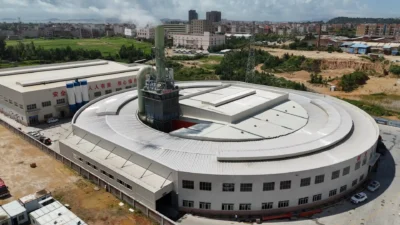
When to prefer prefabricated tunnel kilns
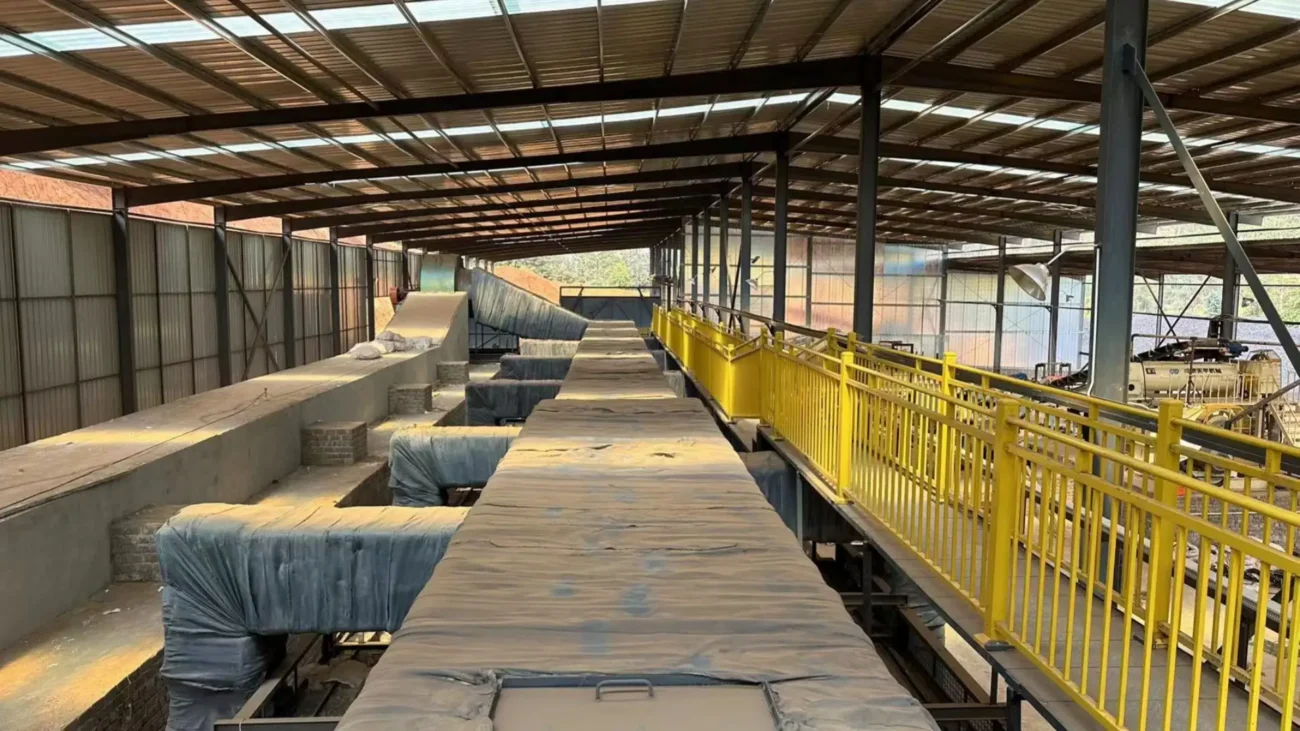
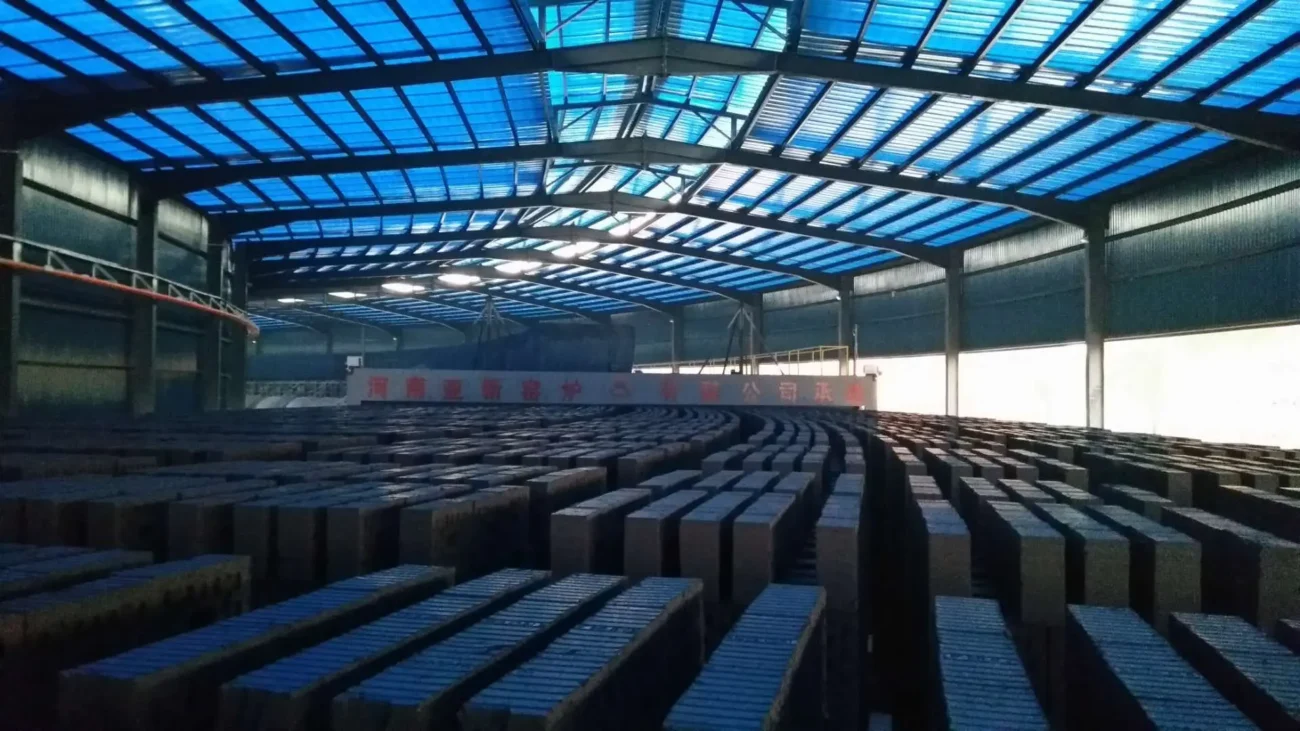
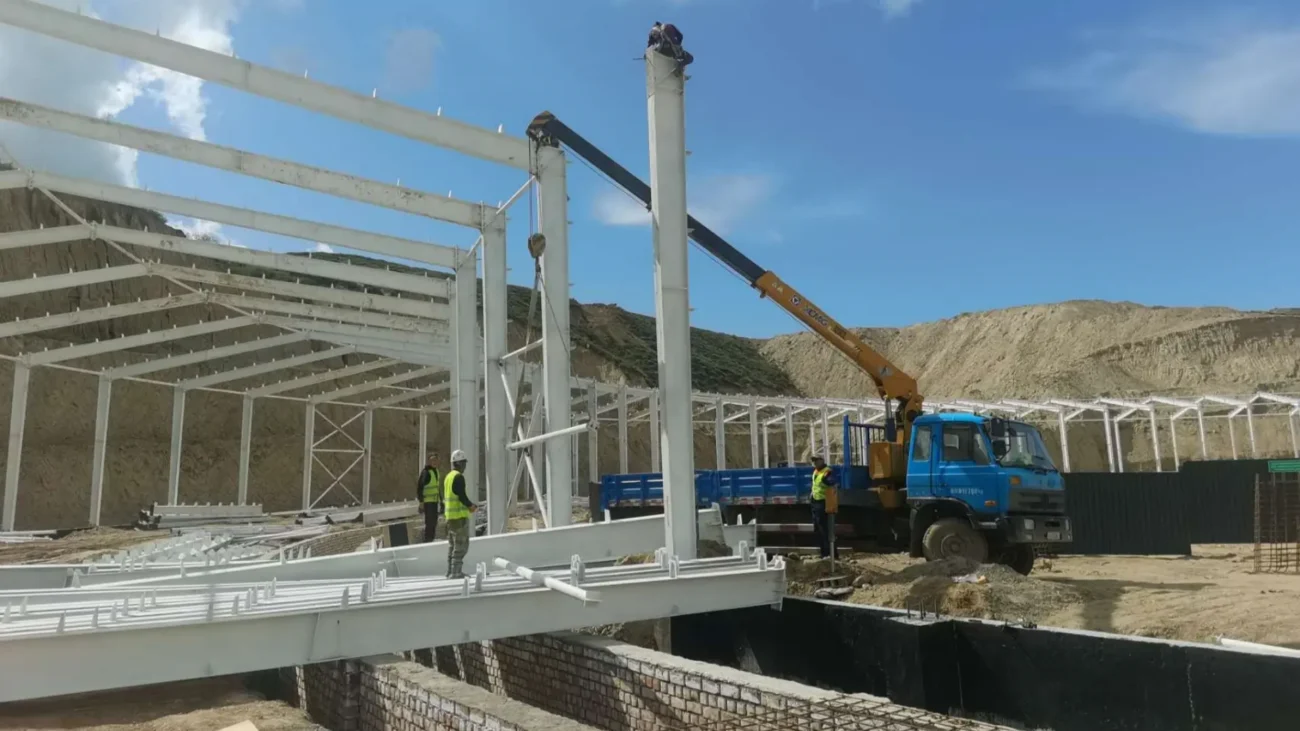
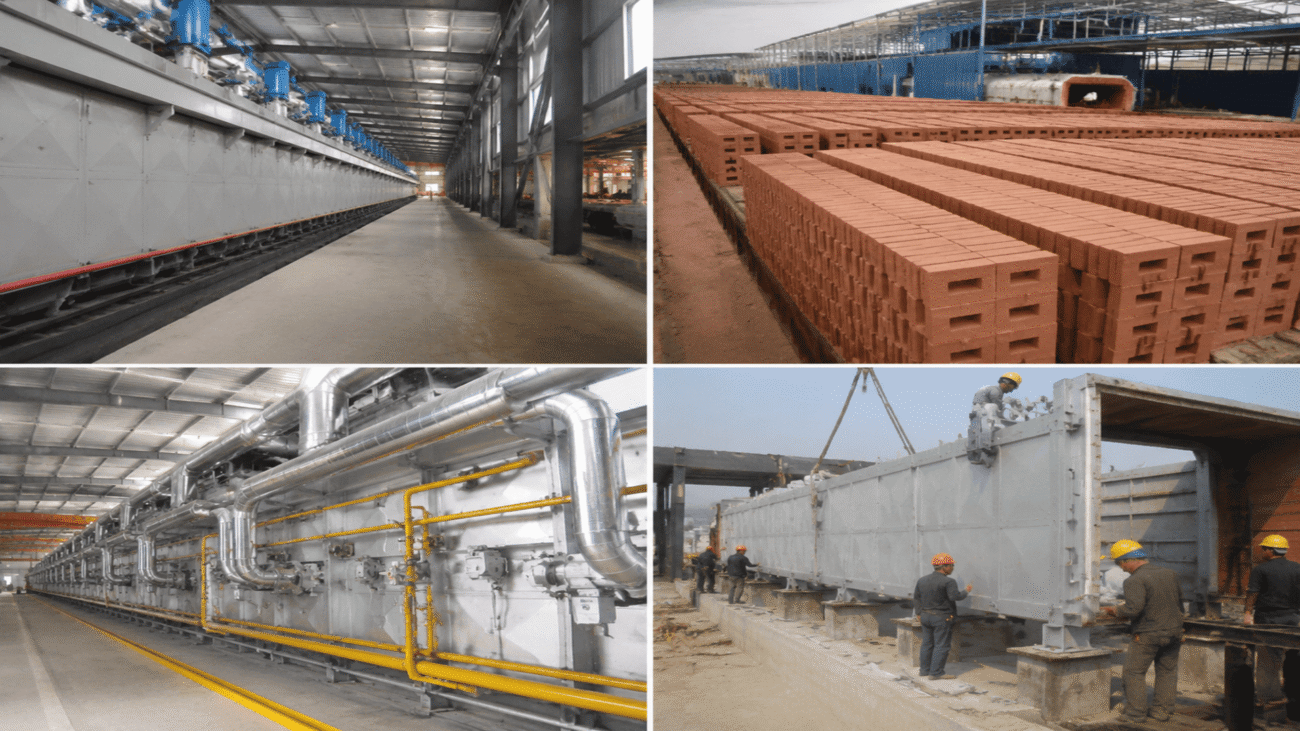
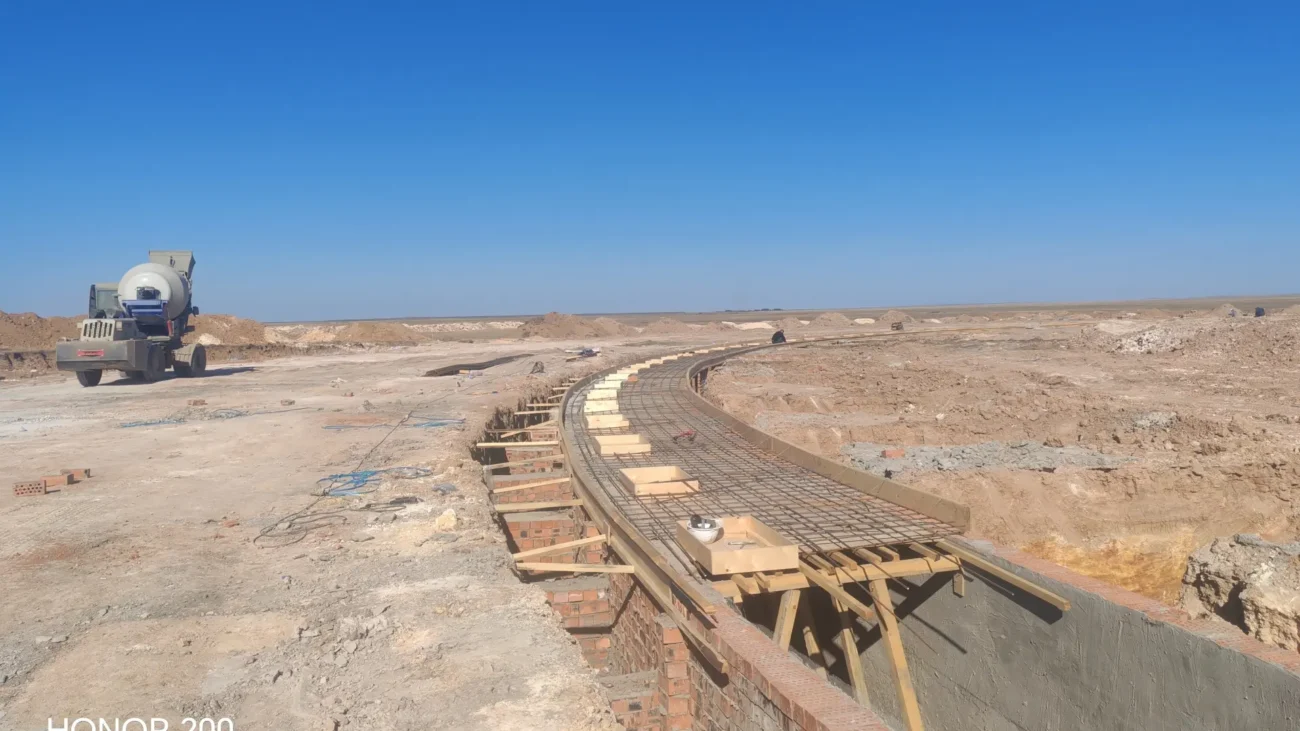
Manufacturers sometimes choose prefabricated tunnel kilns where consistent high-throughput, synchronized drying/firing stages, and automated handling are priorities. The supplier describes large cross-section bodies, multiple kiln-car tracks, modular assemblies, synchronous drying and roasting stages, and automation features; these supplier statements should be treated as vendor-provided capabilities and verified in RFQs and factory acceptance tests [3].
Independent thermal analyses highlight that prefabricated designs can improve thermal stability and allow for optimized insulation and staged heat profiles when product dimensions and load flow are consistent. Temperature gradients, air and gas flow optimization and cooling-air recovery are key engineering aspects to confirm during design review [2].
When to prefer mobile tunnel kilns
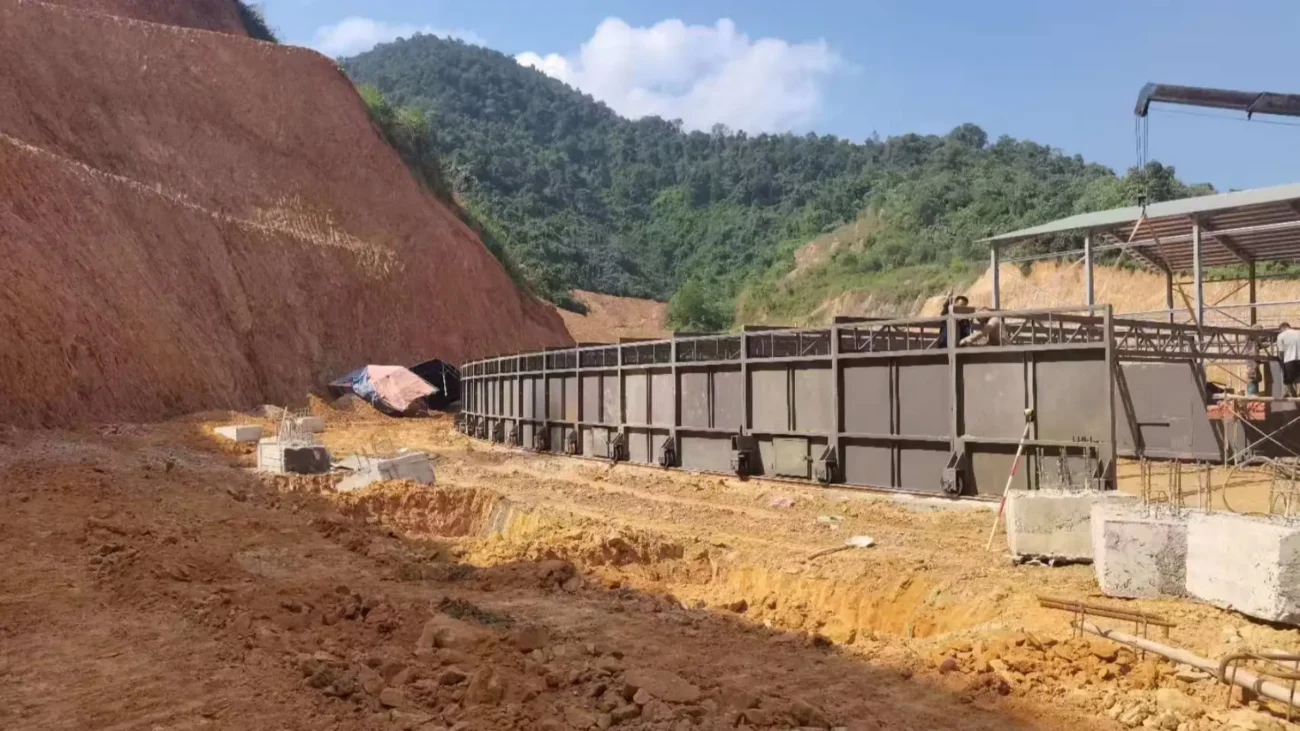
Mobile tunnel kilns, by contrast, are often selected where flexible batch sizes, periodic reconfiguration or constrained site access matter. Mobile systems can be advantageous for operations that need to move specialized product streams to different firing profiles or to perform maintenance on discrete sections without full-line shutdown. Evaluate the lifecycle impact of moving parts and track systems on maintenance scheduling and spare-parts strategy.
Key technical and operational criteria to compare
- Throughput and dwell time compatibility with your product and process
- Footprint and civil works implications for foundations and track alignment
- Thermal performance: insulation, temperature uniformity and recovery strategies [2]
- Fuel and emissions profile, and opportunities for flue-gas reburning or heat recovery [1]
- Automation, control architecture and integration with existing plant systems
- Modularity and upgrade path—ease of adding sections or reconfiguring track
- Maintenance access, spare-part logistics and local service capability
Decision comparison table
| Criterion | Prefabricated tunnel kiln | Mobile tunnel kiln | Buyer guidance |
|---|---|---|---|
| Throughput consistency | Designed for continuous, high-throughput flow according to supplier modular design [3] | Flexible throughput; better for variable batches | Match expected production profile and firing curve |
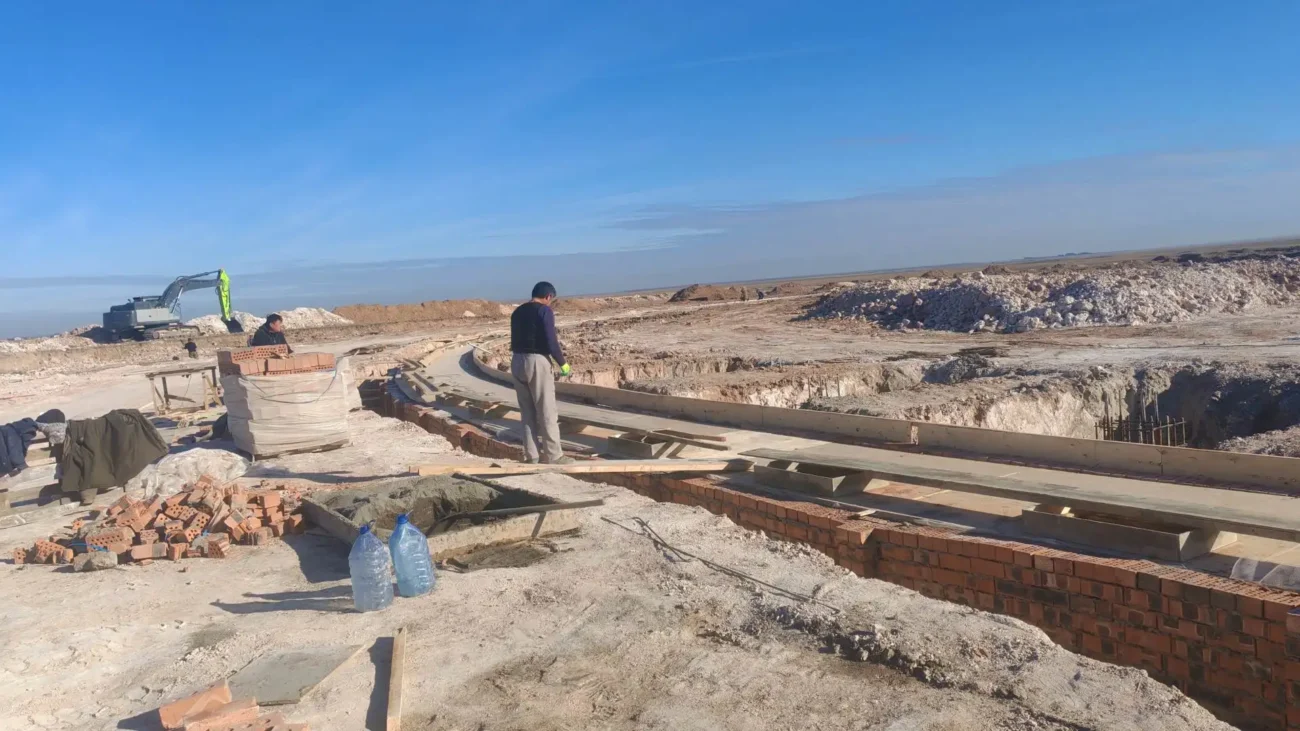
| Site installation | Prefabricated sections reduce on-site build time but need foundations | May require less heavy lifting but needs precise track installation | Check civil scope and lead time in RFQ |
| Thermal control | Good for staged drying/preheating/calcining as described by supplier [3] | Can isolate sections for special cycles | Request firing curves and thermal maps |
| Flexibility | Modular but generally optimized for a fixed product range | Higher operational flexibility for varied products | Prioritise if product mix changes frequently |
| Maintenance | Access via designed maintenance zones; supplier lists spare parts [3] | Moving parts increase inspection needs | Include service intervals and MTBF in RFQ |
RFQ and on-site validation checklist
Below is a concise checklist to include in RFQs and factory or site acceptance tests. Supplier performance claims should be validated by documents, drawings and, where practicable, performance trials.
| Validation item | Why it matters | Requested evidence |
|---|---|---|
| Kiln body drawings & materials | Ensure structural fit and insulation specification | Detailed section drawings, materials list, thermal conductivity data |
| Firing curves & thermal maps | Verify product quality across load and length | Measured temperature profiles and simulated curves [2] |
| Track alignment & car specs | Critical for mobile systems and synchronized car flow | Tolerances, maintenance procedures and spare-part lists |
| Emission control & fuel data | Compliance and operating cost drivers | Fuel type, burner specs, emissions estimates and recovery options [1] |
| Automation & control interface | Integration with plant SCADA and recipe control | Control diagrams, communication protocols, HMI screenshots |
FAQs
Q: How do I validate temperature uniformity across the kiln?
A: Ask suppliers for measured thermal maps and simulated firing curves for your product geometry. Independent studies recommend analysing temperature gradients, air and gas flow paths, and cooling-air recovery to assess uniformity and quality stability [2]. Include instrumentation points in the RFQ.
Q: Can prefabricated kilns be expanded later?
A: Many prefabricated designs are modular by intent; the supplier page describes modular assemblies that allow section additions, but expansion feasibility should be confirmed with layout drawings, joint sealing details and thermal modelling in your RFQ [3].
Q: What operational data should I request before purchase?
A: Request demonstrated throughput, fuel consumption estimates under your load, maintenance intervals, emissions performance and references for similar installations. Independent guidance emphasises assessing lifecycle operating cost alongside capital spend [1].
Next steps and buyer checklist
To move from comparison to procurement: prepare an RFQ that includes your product dimensions and firing targets, requested supplier evidence from the checklist above, required site works and acceptance tests. Where the supplier lists specific capabilities—such as synchronous drying/roasting stages, double sealing, flue-gas reburning, or staged drying/preheating/calcining/cooling—treat those as vendor claims to be verified by documentation and on-site or factory trials [3].
For technical details and modular prefabricated layouts, review the supplier material and include the prefabricated vs mobile tunnel kiln questions above in your RFQ. For a supplier reference, see prefabricated tunnel-kiln technical details and modular options.
Final selection should balance process fit, site constraints and verified thermal performance. Independent assessments recommend including energy, emissions and land-use considerations as part of the project appraisal to align capital investment with operating performance [1].
RFQ-confirmation scope note: All project-specific outcomes, performance metrics and guarantees must be confirmed by an RFQ, site data, material tests and agreed acceptance criteria before contract award.
References