How Does Tunnel Kiln Firing Affect Brick Quality?

For brick manufacturers comparing continuous firing options, understanding how tunnel kiln firing affects brick quality is essential to specifying equipment and acceptance criteria. This article focuses on the firing variables that influence final product properties and what to validate during supplier selection and an RFQ.
Buyers need practical, testable criteria to translate plant goals into measurable parameters—temperature control, airflow, loading strategy and automation capabilities—so quality outcomes can be confirmed on-site with product trials and acceptance tests. The guidance below mixes independent technical considerations with supplier-described features that should be verified by RFQ and site data.
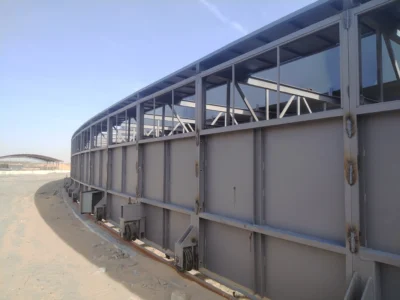
Tunnel kiln brick quality: overview
Continuous tunnel kilns influence brick quality through steady-state thermal profiles and controlled transit of products through separate drying, preheating, firing and cooling zones. Independent assessments emphasize evaluating productivity alongside lifecycle factors such as fuel, energy efficiency and emissions when considering kiln technology [1]. Thermal uniformity, zoning and atmosphere control directly affect strength, dimensional stability, surface finish and internal defects in fired bricks [2].
Key thermal controls and their impact
How heat is introduced, staged and recovered determines the firing curve experienced by each brick. Important variables include maximum temperature, ramp rates, soak time and gradient across the load. Poorly managed gradients increase the risk of warpage, cracking and uneven vitrification; well-controlled gradients promote consistent physical properties across batches [2]. Independent thermal analysis tools and thermocouple mapping are standard methods to quantify these effects during commissioning.
Airflow, loading strategy and product movement
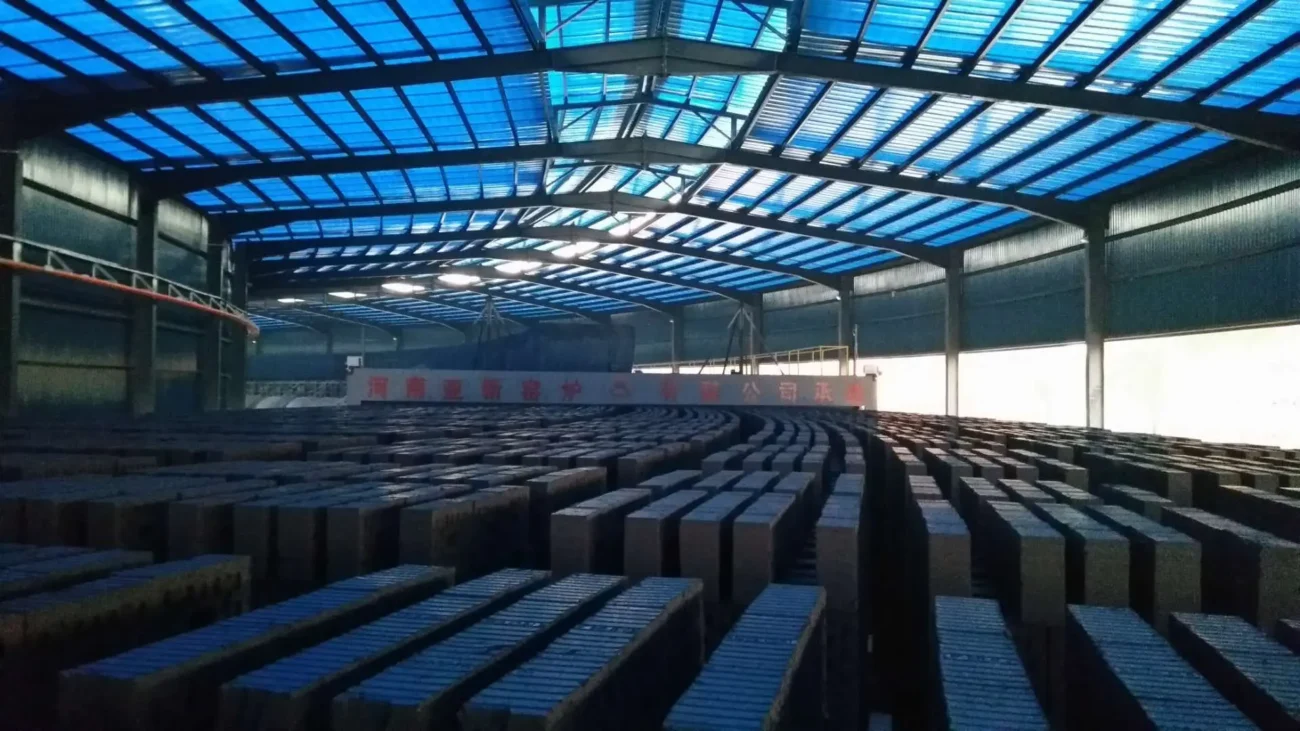
Air and flue-gas paths, kiln-car speed and loading layout affect convective heat transfer and atmosphere exposure for bricks. Uniform airflow reduces local hot and cold spots that cause surface or core defects. Loading density and orientation change heat uptake rates; mechanical handling and kiln-car design also influence breakage rates. These operational parameters must be defined and validated with representative product trials and temperature logging [2].
Materials, insulation and kiln atmosphere
Insulation quality, refractory selection and control of kiln atmosphere (oxidizing vs reducing) affect both energy efficiency and final brick color, porosity and strength. Independent guidelines recommend evaluating insulation performance and recovering cooling air where practical to improve thermal efficiency and reduce temperature gradients [1][2]. Supplier descriptions of modular insulation assemblies or double-sealing arrangements should be treated as supplier statements to be confirmed in an RFQ and on-site inspection [3].
Operational factors: automation, cycle control and emissions
Automation that enables precise zone control, kiln-car synchronization and process monitoring can reduce variability and support reproducible tunnel kiln brick quality. Independent project guidelines advise assessing automation alongside operating cost, lifespan and emissions to understand total project viability [1]. Supplier product pages that list rapid drying, synchronous drying/roasting or integrated flue-gas reburning describe possible features; buyers should request control specifications, PLC and data-logging capabilities, and emissions guarantees during the RFQ phase [3].
Decision table: tunnel kiln vs alternative firing systems
| Decision factor | Tunnel kiln (continuous) | Periodic/shuttle kilns |
|---|---|---|
| Thermal uniformity | Designed for steady-state uniformity with zoning control | Uniformity depends on batch management and load consistency |
| Throughput flexibility | High steady throughput; better for continuous large volumes | Better for variable products and small batches |
| Operational complexity | Requires control systems and disciplined loading strategies | Lower continuous control needs but more manual batching |
| Energy recovery | Often designed for heat recovery and cooling-air reuse | Recovery feasible but may be less efficient for small batches |
Supplier features and what to validate
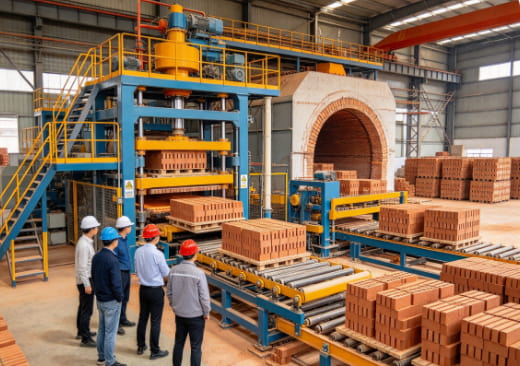
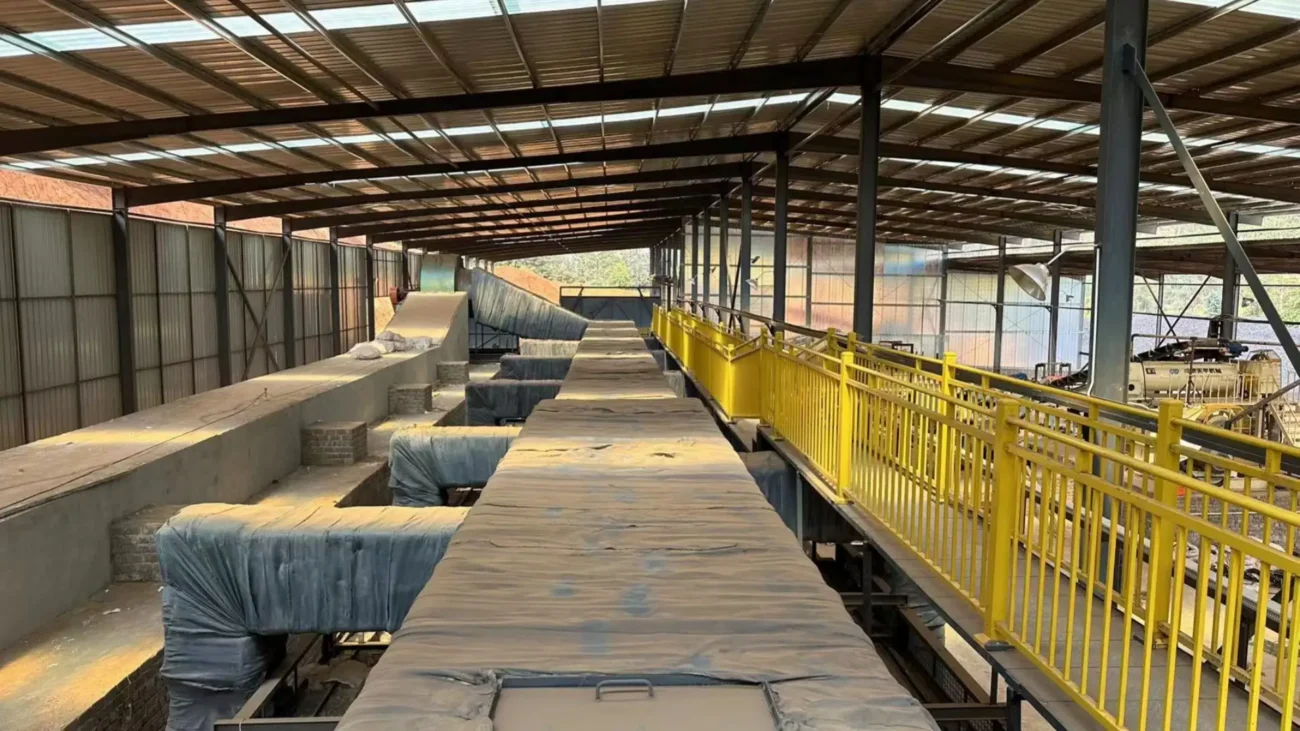
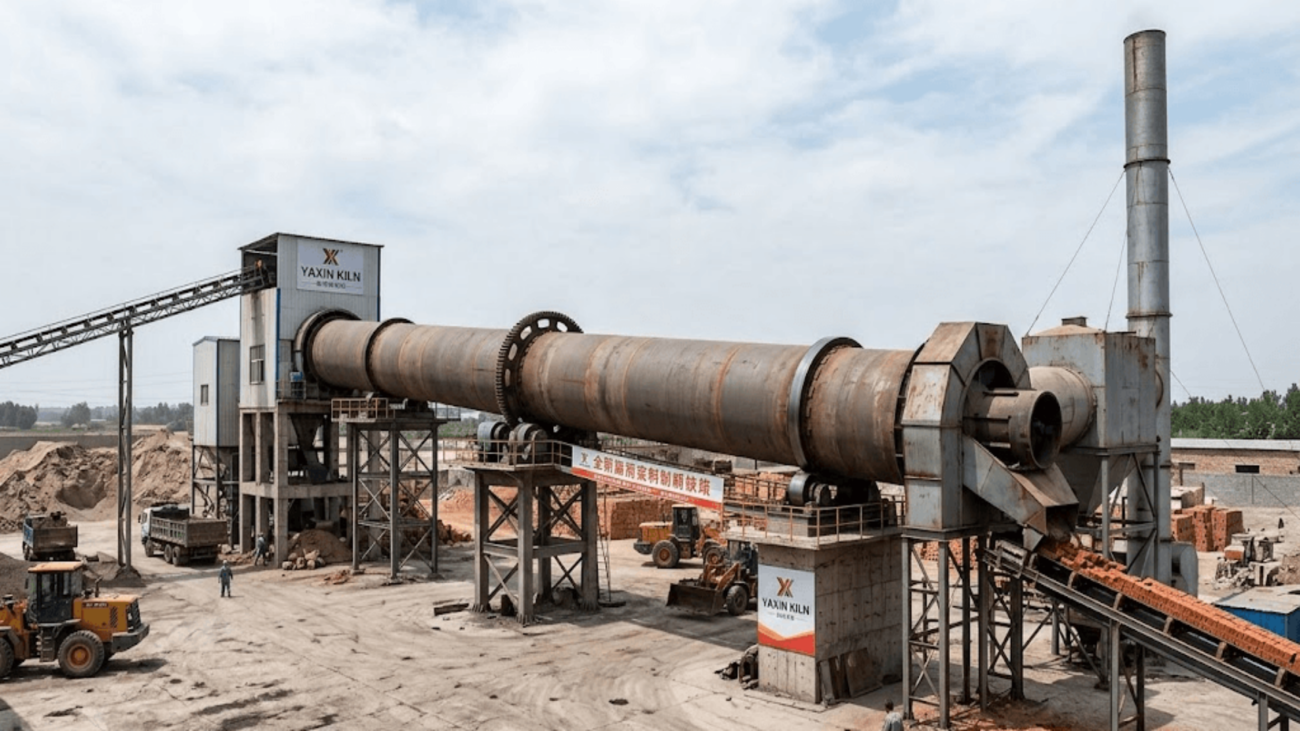
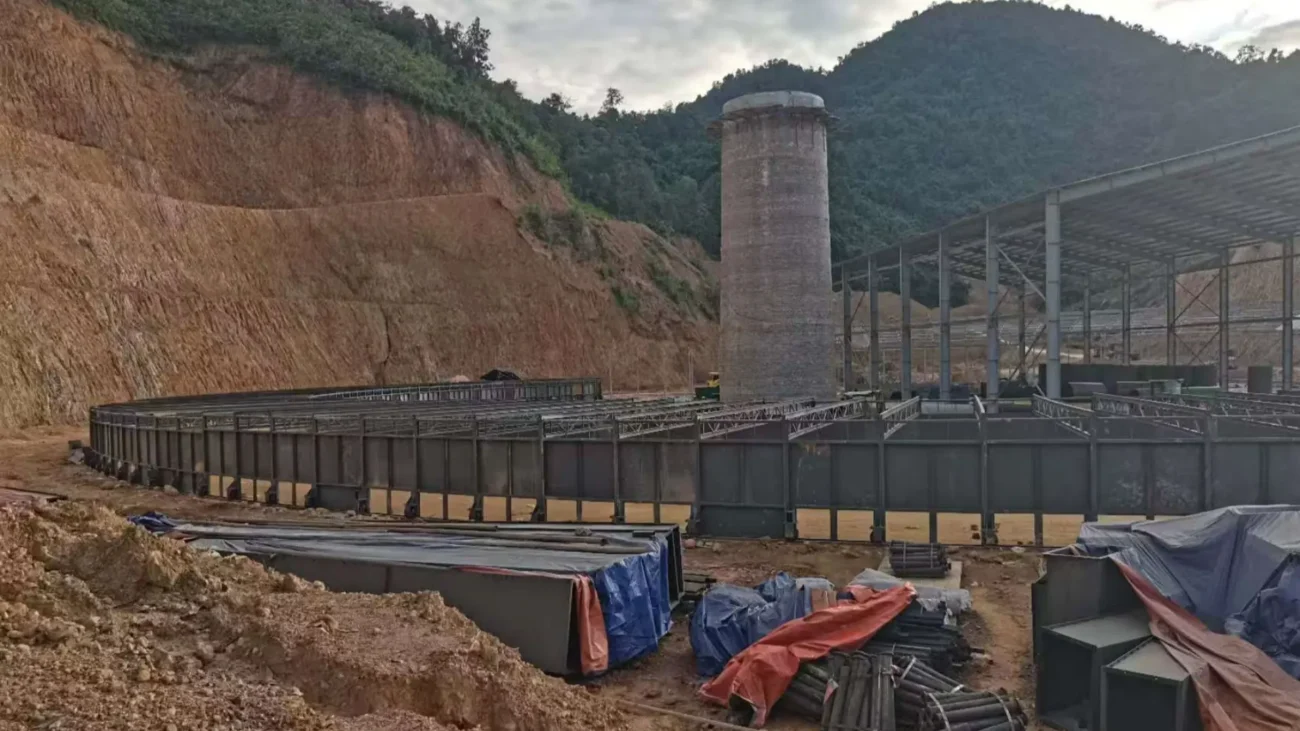
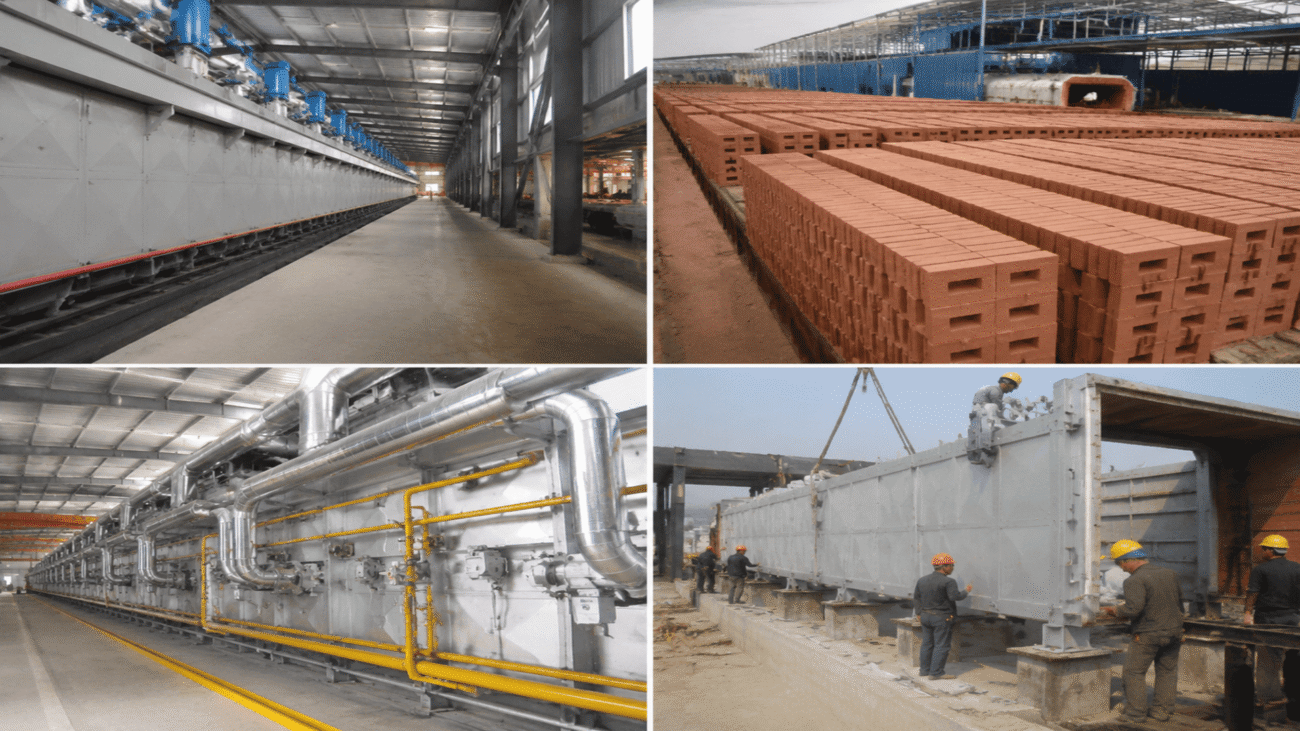
Manufacturers may advertise features such as modular assemblies, large cross-section kiln bodies, multiple kiln-car tracks, and staged drying/preheating/calcining and cooling zones. For example, a prefabricated tunnel-kiln supplier describes modular construction, synchronous drying and rapid drying capabilities; these are supplier statements and should be validated via RFQ documentation, factory acceptance tests and site commissioning plans [3].
Independent sources recommend combining supplier documentation with thermal mapping and representative product firing tests to confirm that claimed features translate into measurable quality outcomes under your plant conditions [1][2].
RFQ and validation checklist
| Item to request/validate | Buyer action |
|---|---|
| Detailed firing curves and zone control specs | Require PLC diagrams, control sequences and test logs |
| Thermal mapping and product trial reports | Schedule representative product trials with thermocouple data |
| Insulation and refractory datasheets | Request material certificates and thermal conductivity data |
| Airflow diagrams and kiln-car specifications | Obtain airflow models, car dimensions and loading plans |
| Emissions and energy recovery claims | Ask for emission test reports and heat-recovery schematics |
Frequently asked questions
Q: Can tunnel kilns eliminate all firing defects?
A: No kiln type eliminates defects by itself. Tunnel kilns can reduce variation through steady-state control, but defects also depend on raw material variability, forming, drying and handling. Independent thermal analysis and product trials are necessary to identify remaining root causes [2].
Q: How important is kiln-car speed to brick quality?
A: Kiln-car speed determines dwell time in each zone, affecting vitrification and moisture release. Speed should be specified relative to product thermal mass and desired firing curve; specify and verify speed control and synchronization during RFQ and commissioning [2][3].
Q: Are prefabricated tunnel kilns suitable for retrofit projects?
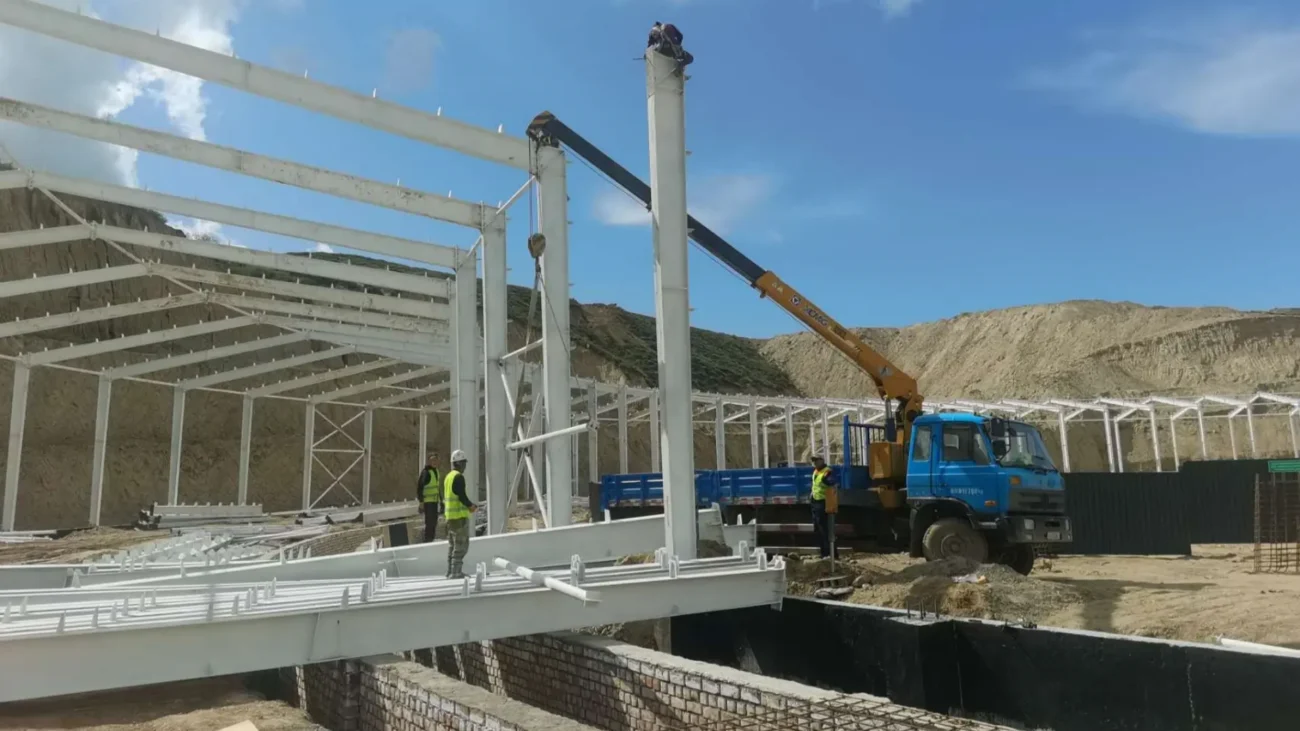
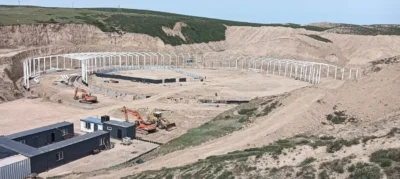
A: Prefabricated tunnel-kiln modules may simplify installation and reduce site welding, but site-specific factors—foundations, land use, utilities and integration with existing process flow—must be evaluated. Supplier modular claims should be confirmed with site engineering and RFQ data [3].
Practical commissioning and acceptance testing
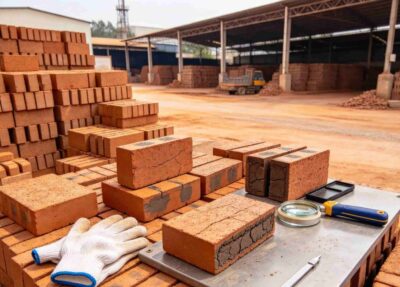
Acceptance should include full thermocouple mapping across representative loads, product trial runs with destructive and non-destructive testing against your acceptance criteria, inspection of insulation and seals, and verification of automation sequences. Independent recommendations highlight the need to account for life-cycle energy use, emissions and operational resilience in final acceptance decisions [1][2].
Documented factory acceptance tests, followed by site commissioning with signed performance reports, reduce risk. If the supplier lists features such as flue-gas reburning or double sealing, require performance data and field test plans demonstrating those features under similar product and fuel conditions [3].
For a detailed supplier offering of prefabricated tunnel-kiln systems, see this manufacturer page and request module-level technical documentation during RFQ: Explore prefabricated tunnel kilns and supplier technical details.
Independent technical sources recommend balancing thermal control needs with lifecycle factors before committing to a continuous kiln solution. Thermal uniformity, airflow design, insulation, and validated control systems are the primary drivers of tunnel kiln brick quality, while supplier-provided modular features should be confirmed by test and inspection [1][2][3].
RFQ-confirmation scope note: Final quality and operational outcomes must be confirmed by an RFQ that includes site data, representative material and product tests, defined acceptance criteria, and documented commissioning procedures.
References