Prefabricated Tunnel Kiln: Features, Benefits and Applications

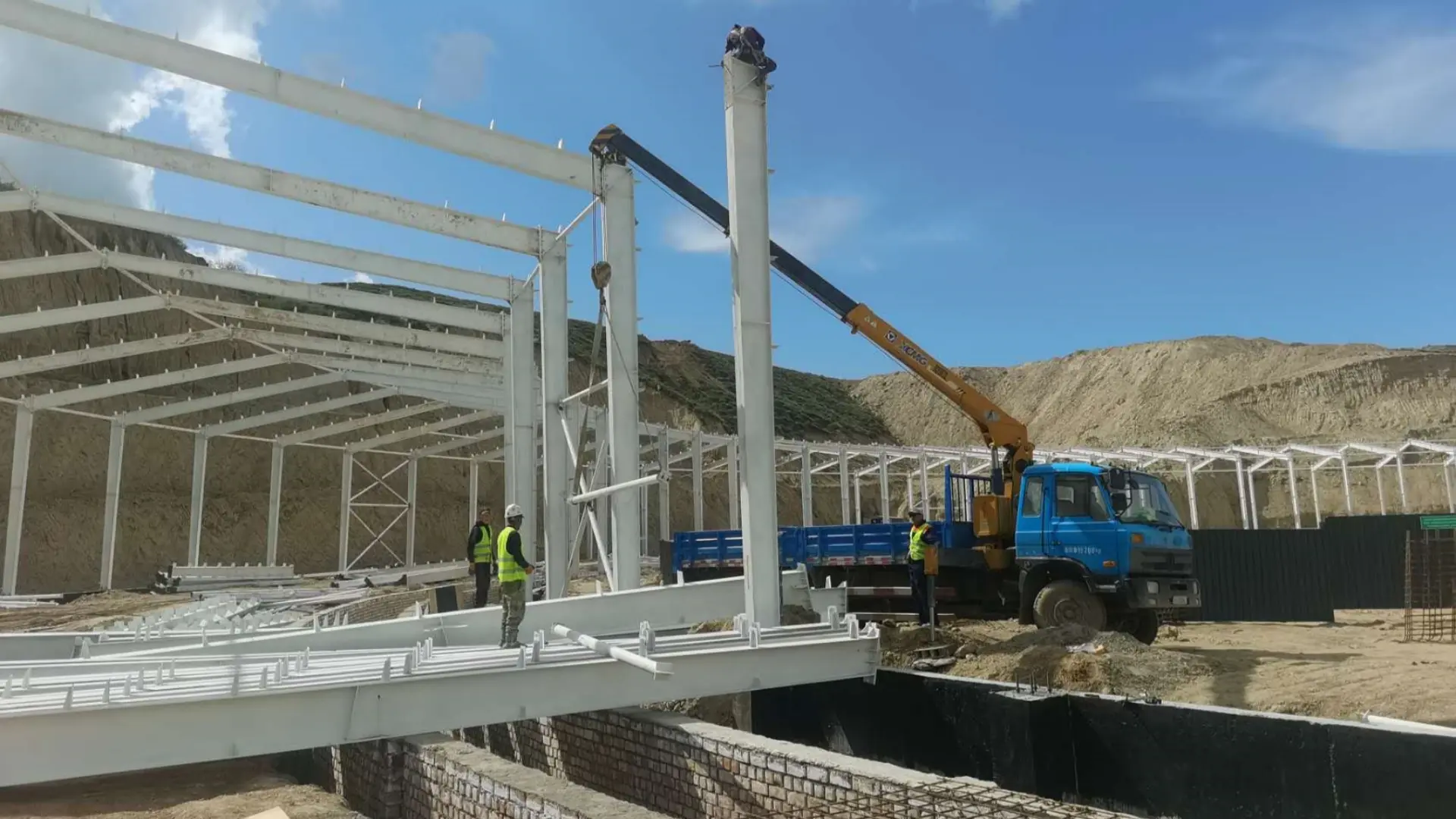
A prefabricated tunnel kiln offers a modular alternative to site-built continuous kilns. Buyers evaluating this option need concise, procurement-focused information on features, thermal performance drivers and the verification items to include in an RFQ.
This article compares supplier claims and independent technical considerations, shows decision criteria in a compact table, and provides an RFQ/validation checklist you can use to short-list suppliers and prepare site data requests.
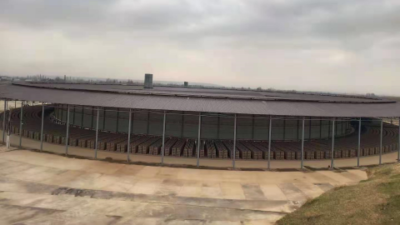
What a prefabricated tunnel kiln is and where it fits
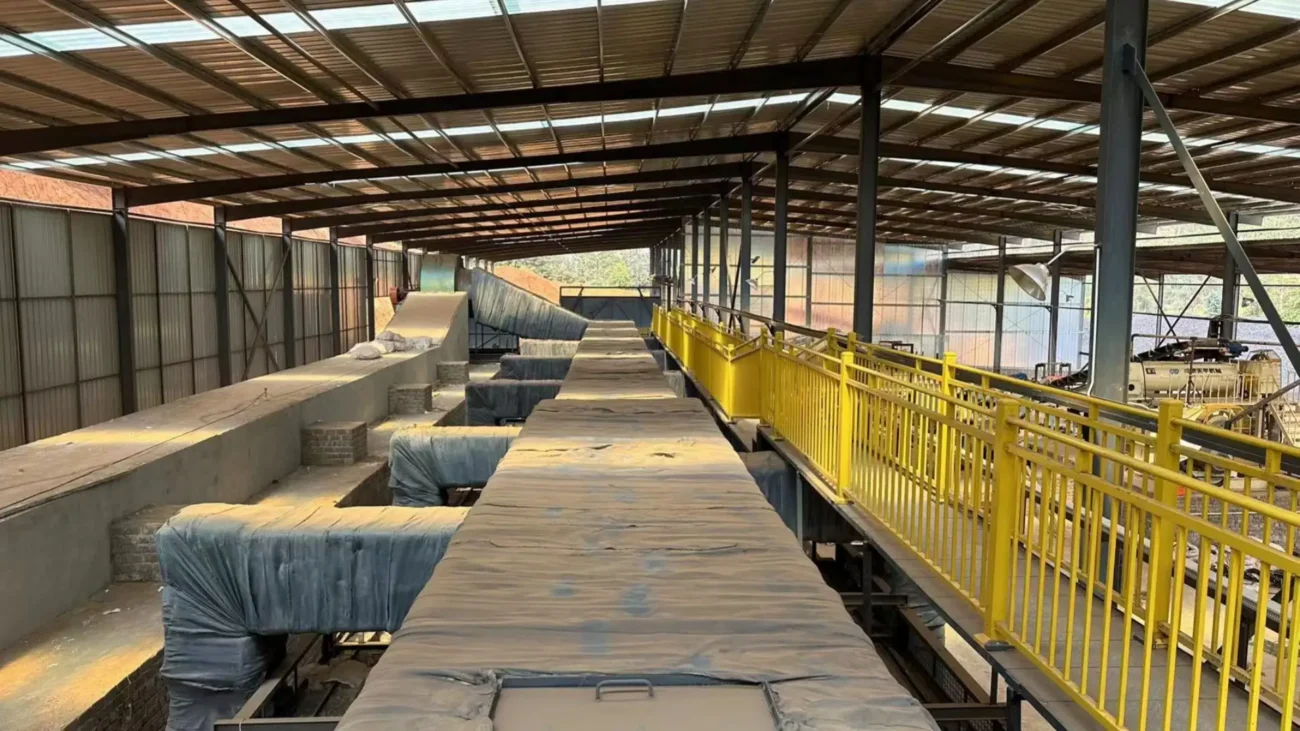
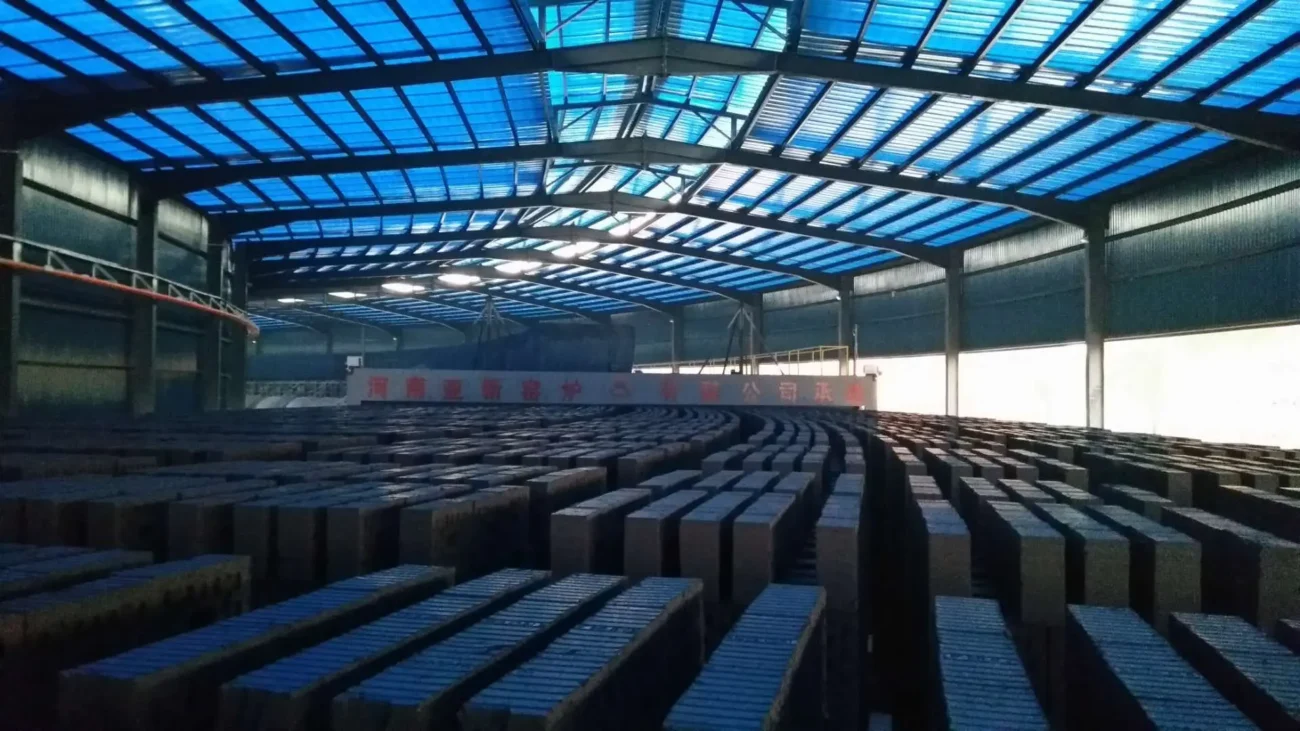
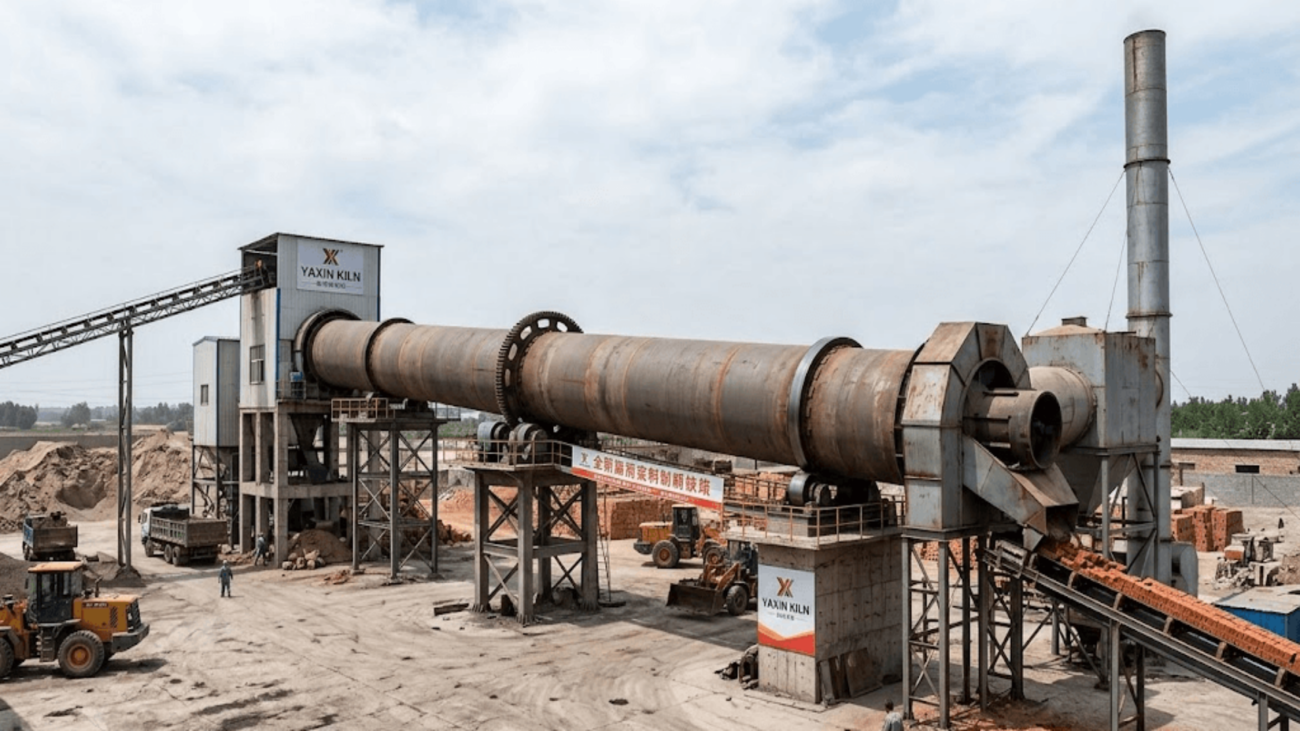
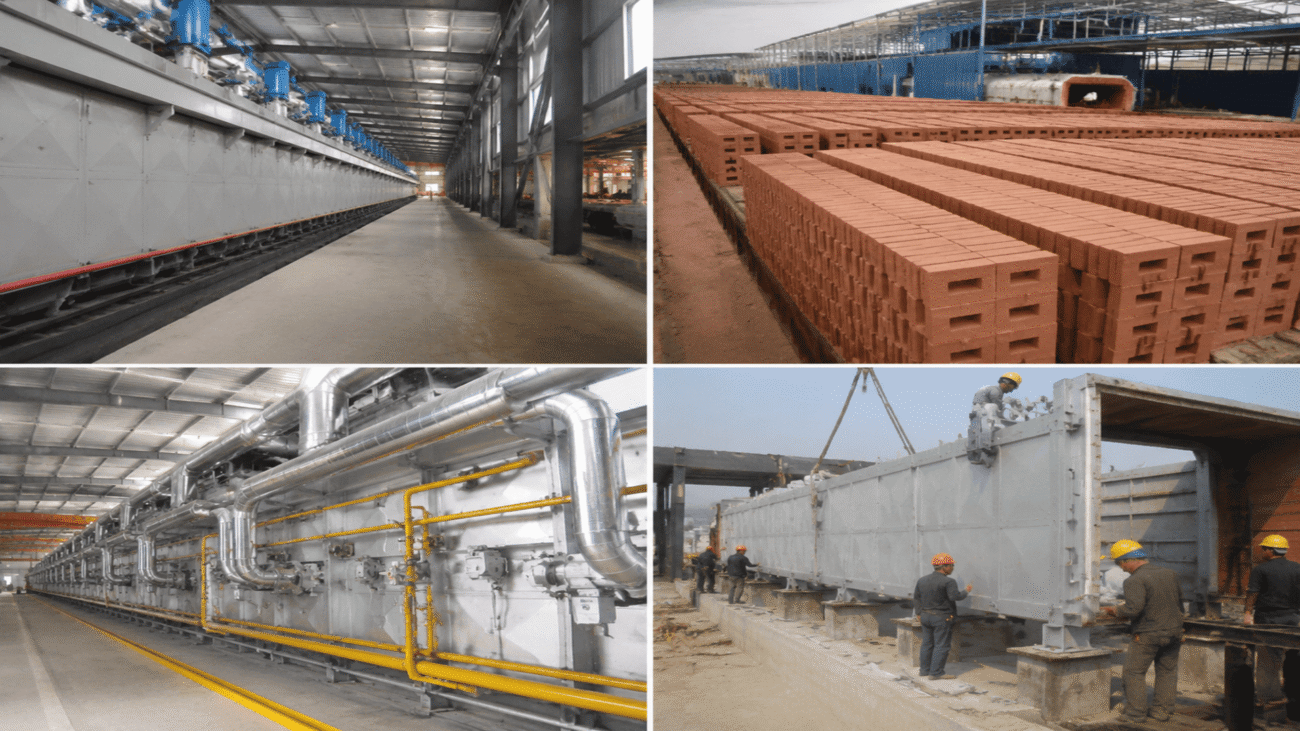
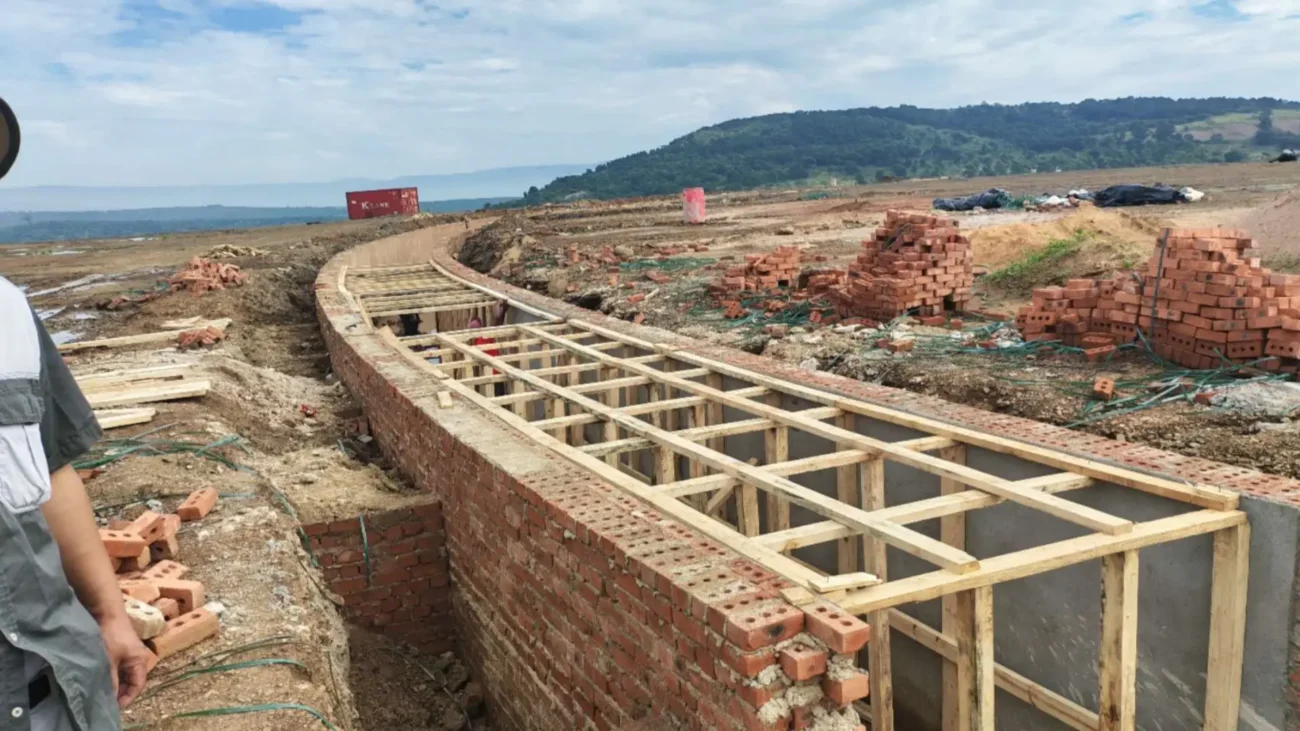
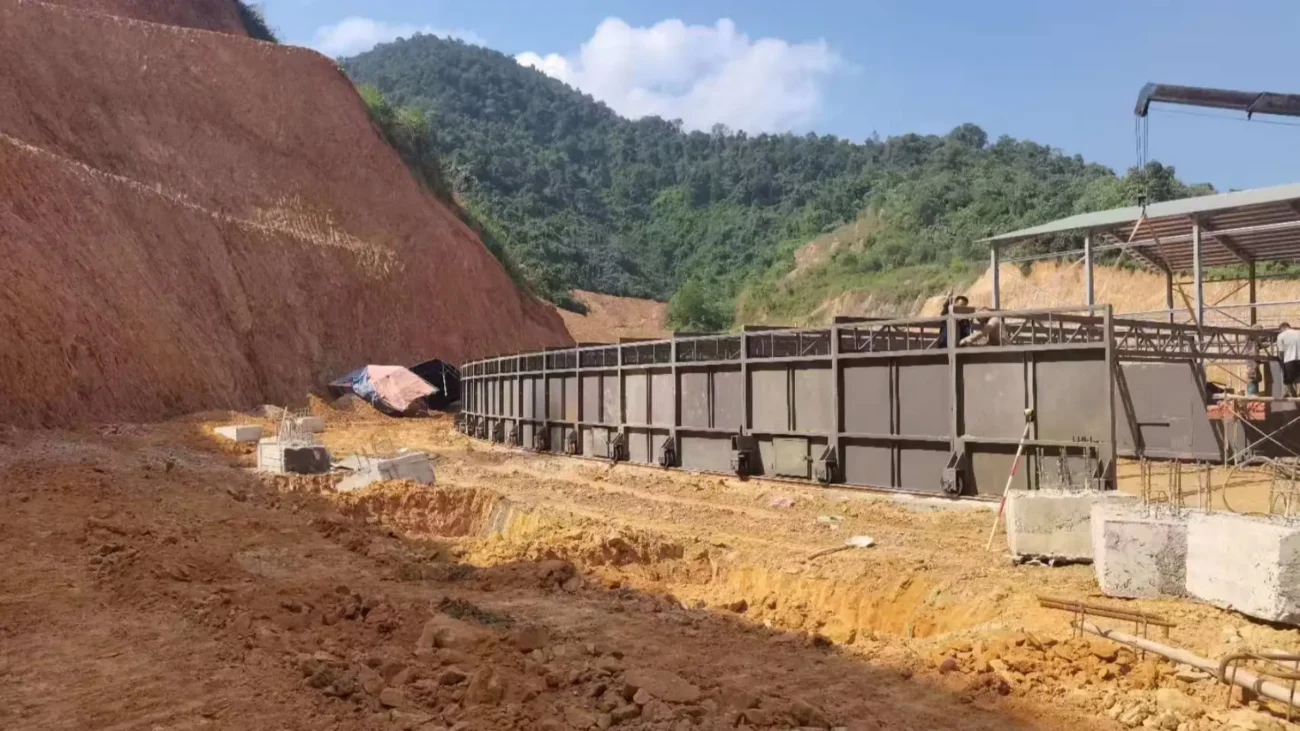
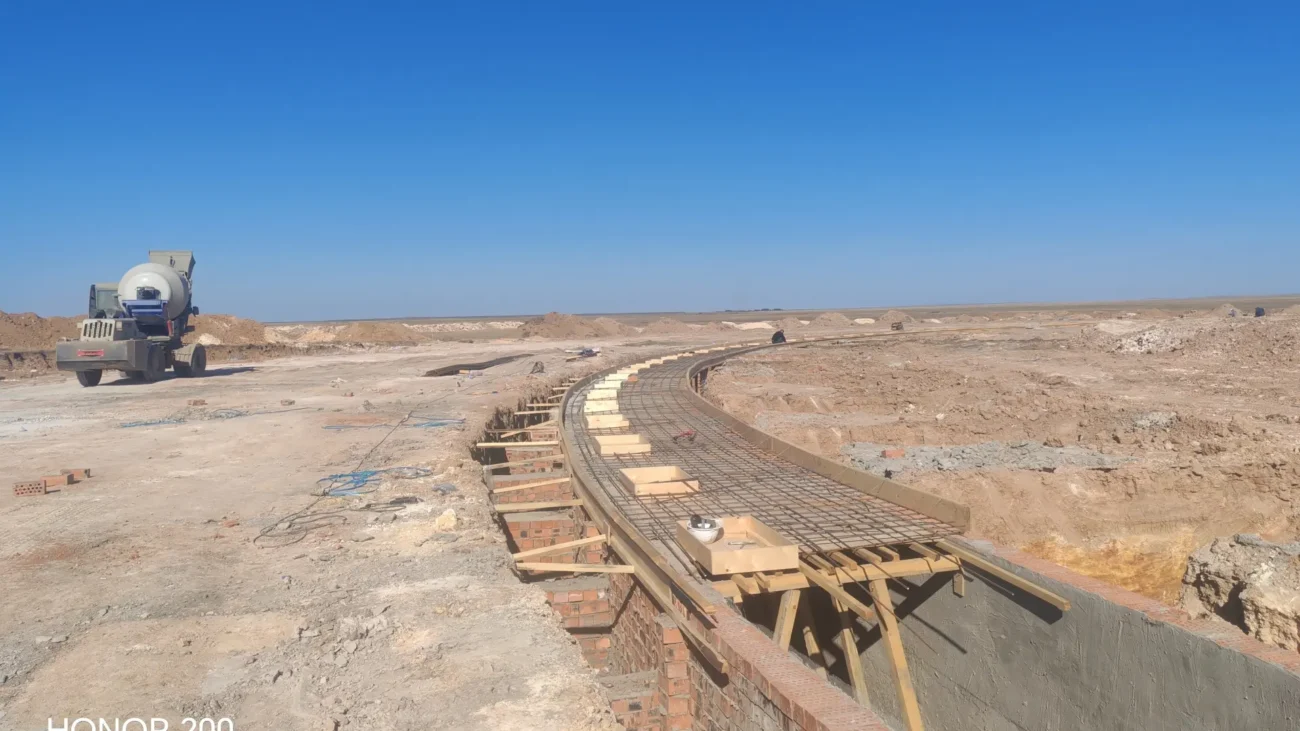
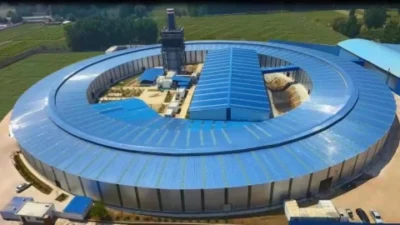
In industry terminology, a prefabricated tunnel kiln is a factory-built, transportable kiln body that is assembled on site to create a continuous firing line. Supplier descriptions typically highlight modular assemblies, multiple kiln-car tracks, staged drying/preheating/calcining/insulation/cooling zones, automation and options for flue-gas recovery; such supplier statements and performance claims should be treated as items to verify in an RFQ [3].
Supplier-stated features (attributed)
According to the supplier, common features of their prefabricated tunnel kiln include a large cross-section body, several kiln-car tracks for synchronous drying and roasting, modular panels for rapid assembly, double-sealing doors to control atmosphere, and systems for flue-gas reburning and heat recovery during drying and preheating. These assertions are supplier-provided and require RFQ confirmation for specific projects [3].
Independent technical considerations and verification
Independent guidance recommends evaluating productivity alongside investment and operating cost, land use, fuel and energy efficiency, emissions and expected lifespan before selecting a continuous kiln type [1]. Thermal analysis and modelling are fundamental: insulation design, product dimensions, load flow, firing curve, air/gas flow and cooling-air recovery all affect product quality and stability of the firing profile [2]. Include these technical checks in vendor selection and RFQ scope.
Design and process stages to confirm
- Zone layout and temperature control strategy (drying, preheating, calcining, firing, insulation, cooling).
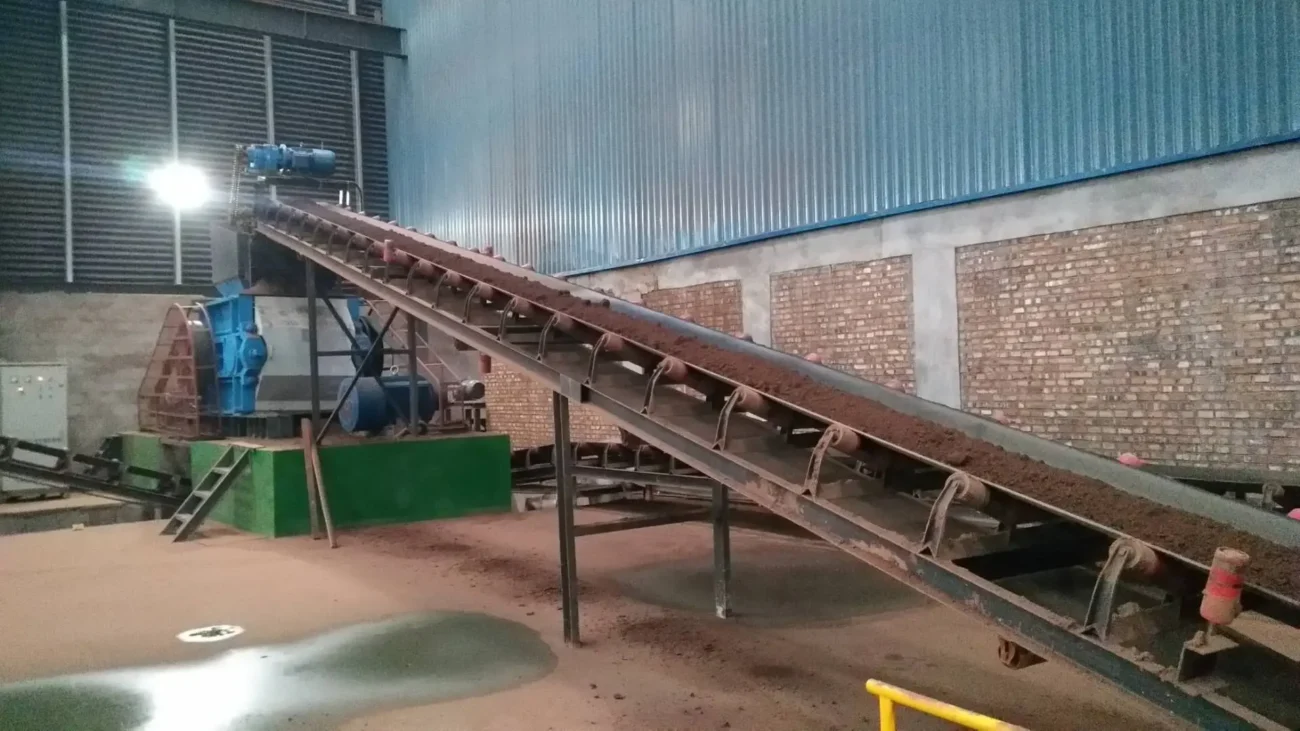
- Material handling and conveyor/kiln-car arrangements to match product geometry and throughput.
- Insulation materials and wall build-up to manage temperature gradients and reduce heat loss.
- Combustion system and flue-gas handling, including options for reburning or heat recovery per supplier claims.
- Instrumentation and automation capabilities for firing curve control and data logging.
Comparison: prefabricated vs site-built tunnel kiln
| Decision factor | Prefabricated tunnel kiln | Site-built tunnel kiln |
|---|---|---|
| On-site assembly time | Supplier states modular panels and rapid assembly reduce build time; confirm via RFQ [3] | Typically longer on-site civil and refractory works; schedule depends on design and site conditions |
| Customization | Modular designs allow selectable lengths and zone configurations; verify limits and tolerances | High customization possible but requires more engineering and site supervision |
| Thermal performance | Performance depends on supplier insulation spec and control systems; validate with thermal analysis and supplier data | Can be optimized on-site with tailored insulation and refractory engineering |
| Logistics and transport | Prefabricated sections require transport planning for large modules | Less large-module transport but more on-site material handling |
| Operational stability | Depends on control systems and process design; thermal modelling recommended [2] | Likewise dependent on design and operational controls |
Installation, automation and emissions management
Automation options and control strategy will determine how consistently the kiln follows required firing curves. Independent studies highlight the need to evaluate air/gas flow patterns, temperature gradients and cooling-air recovery to protect product quality and reduce fuel consumption [2]. The Climate and Clean Air Coalition guidance recommends assessing emissions, fuel choice and energy-efficiency measures as part of a project assessment to understand trade-offs between productivity, running costs and environmental performance [1].
Key specifications to confirm in an RFQ
When preparing an RFQ for a prefabricated tunnel kiln, ask suppliers for detailed, verifiable data and request factory acceptance testing (FAT) and site acceptance testing (SAT) plans. Supplier-stated capabilities (e.g., synchronous drying and multiple kiln-car tracks) should be listed as verifiable items in the RFQ and not assumed as delivered performance [3].
| RFQ item | Why it matters | How to validate |
|---|---|---|
| Zone temperatures and control limits | Ensures the kiln can reproduce the required firing curve | Request control diagrams, FAT scripts and temperature mapping |
| Insulation and wall build-up | Affects heat loss and temperature gradients | Ask for materials, thicknesses and thermal analysis reports |
| Material handling layout | Must match product geometry and throughput | Submit product dimensions for supplier layout and confirm with CAD |
| Combustion and flue-gas systems | Impacts emissions, recovery and fuel consumption | Request drawings, stack data and test procedures; consider third-party emissions testing |
| Automation, data logging and alarms | Critical for product quality and troubleshooting | Specify required signals, data retention and remote access for validation |
Procurement and installation checklist
Use a short procurement checklist when evaluating bids: require CAD layouts, thermal simulations, FAT/SAT protocols, detailed scope of supply, warranty terms and transport/assembly drawings. Treat supplier performance claims as conditional until validated by FAT and on-site tests.
FAQs
How does modular construction affect lead time?
Supplier materials suggest modular panels reduce on-site construction time compared with full site-built refractory work, but actual lead time depends on transport, site access and preparatory civil work. Confirm schedules and milestone responsibilities in the RFQ [3].
Can prefabricated tunnel kilns recover heat from cooling air?
Independent thermal analyses recommend assessing cooling-air recovery as part of the kiln energy balance because recovered heat can reduce fuel needs and flatten temperature gradients; verify recommended recovery methods with supplier thermal models and data [2].
What emissions information should I request?
Request supplier documentation on combustion systems, expected stack composition under representative loads, and any flue-gas reburning or treatment options they offer. Include independent emissions assessment in project scoping, following guidance to evaluate emissions alongside productivity and operating costs [1].
Next steps and non-coercive CTA
If you want detailed supplier information and modular configurations, request the manufacturer’s technical brochure and RFQ pack. For the supplier referenced in this article, view the prefabricated tunnel kiln product page and request datasheets and FAT procedures here: prefabricated tunnel kiln product details. Note that supplier statements in that page should be validated through an RFQ and site tests [3].
RFQ, site data, material tests, and acceptance criteria must confirm project-specific outcomes.