Mobile Rotary Tunnel Kiln Cost: What Determines the Investment?

mobile rotary tunnel kiln cost is a procurement question that buyers must evaluate alongside site constraints, operating hours and product requirements. This article helps procurement teams frame the investment decision, compare factors that drive up-front and operating expenses, and prepare a focused RFQ.
Start with buyer priorities: what product quality, throughput flexibility and siting constraints matter? The guidance below separates supplier-described features from independent technical concerns and provides a concise decision table and an RFQ validation checklist you can use when requesting quotes and site assessments.
What drives mobile rotary tunnel kiln cost?
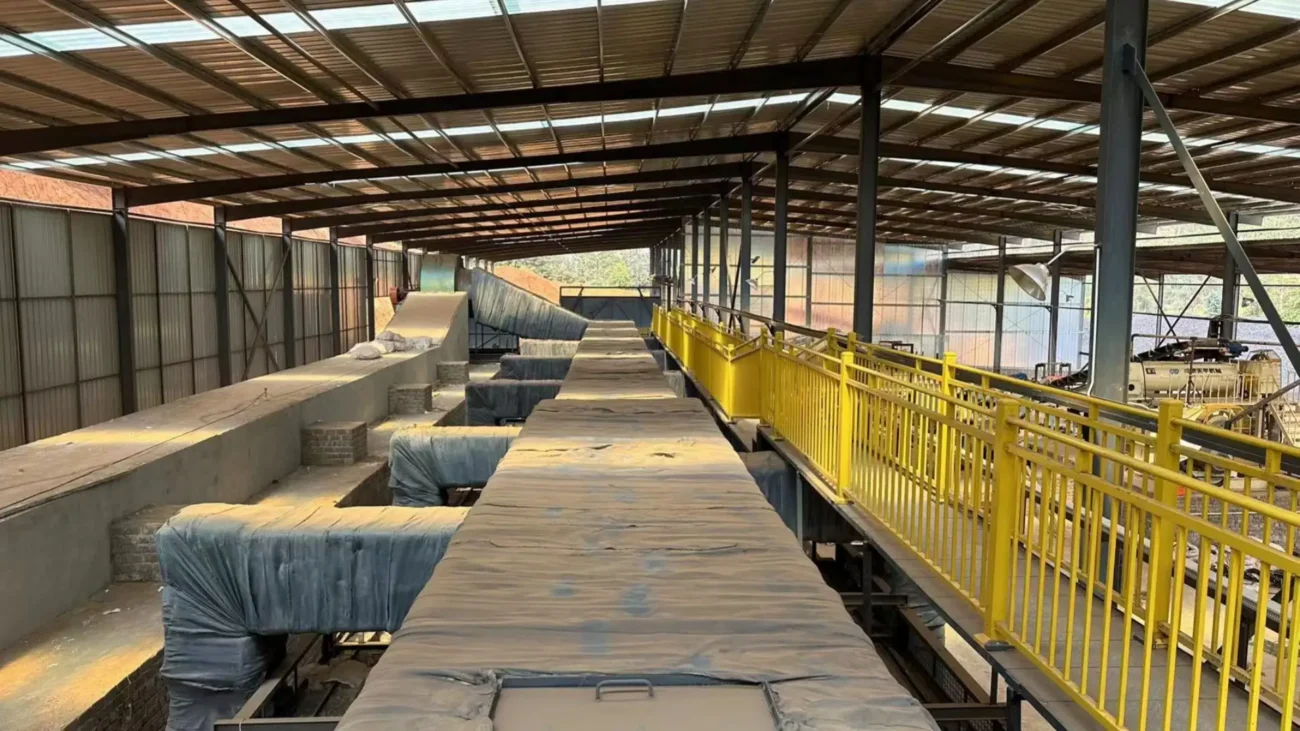
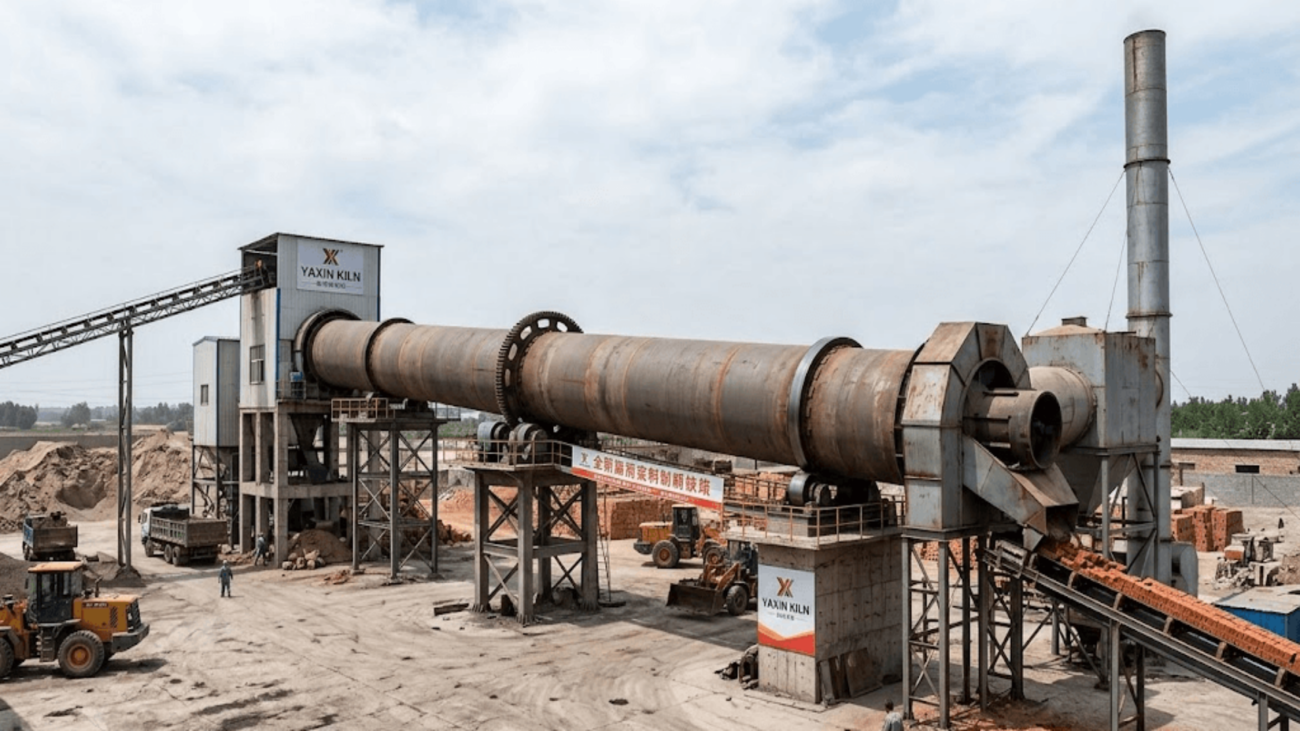
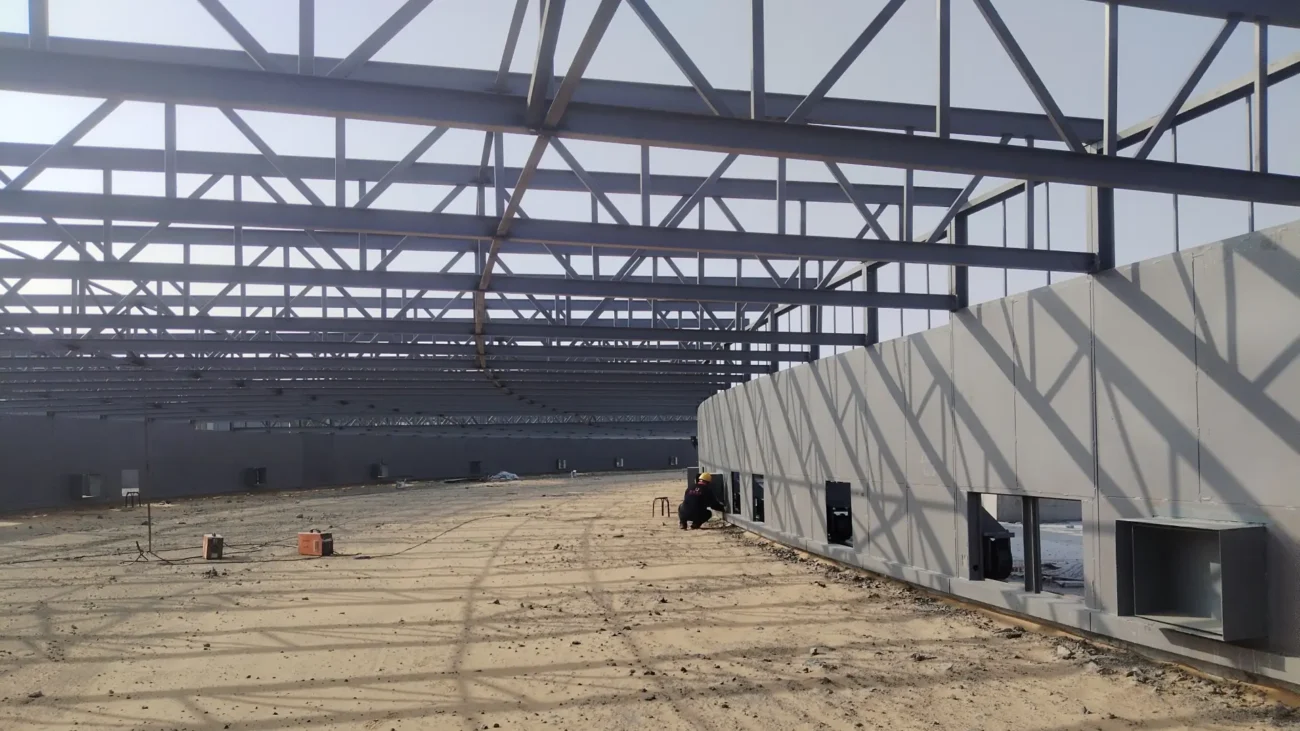
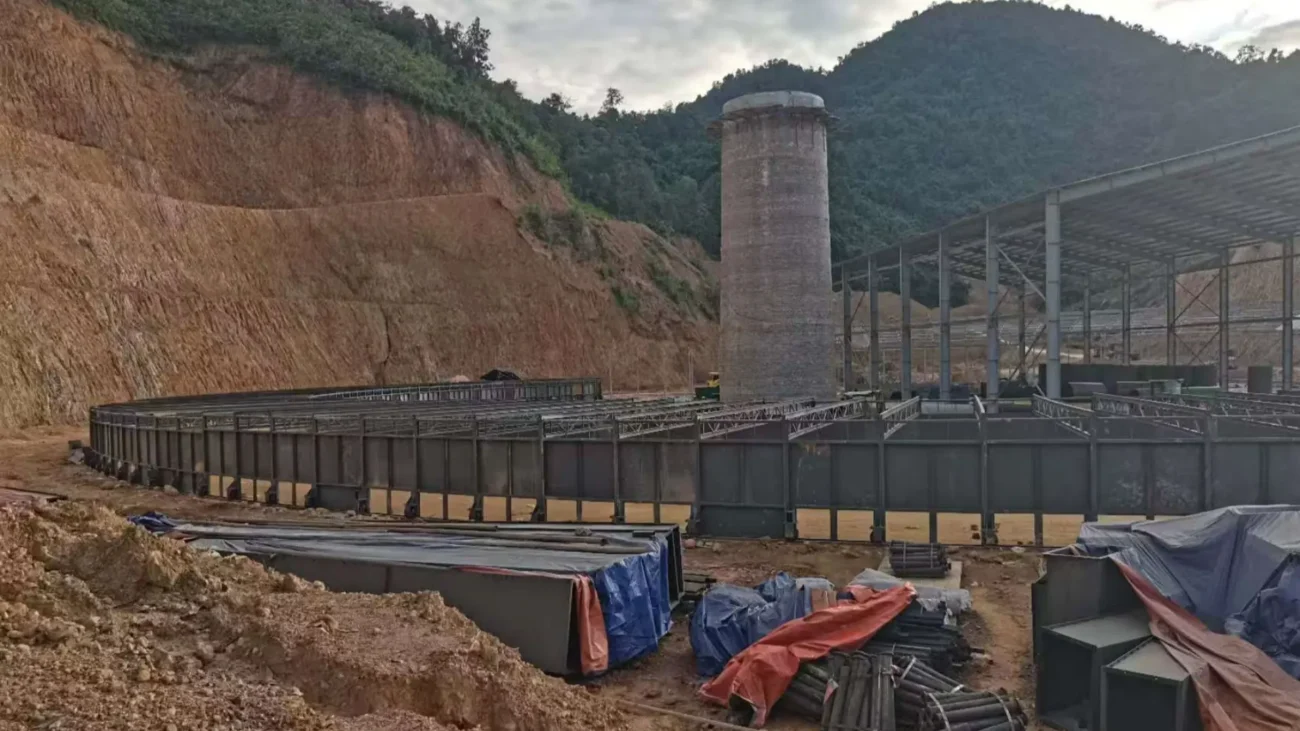
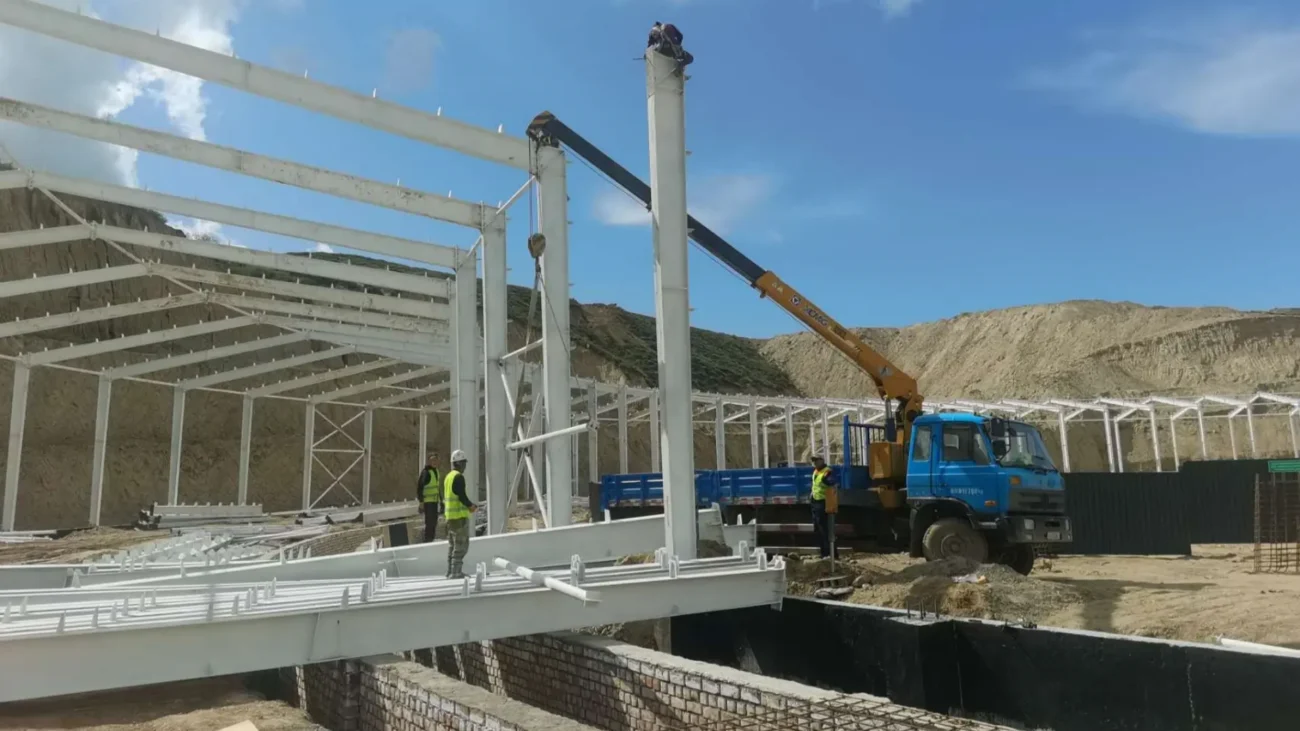
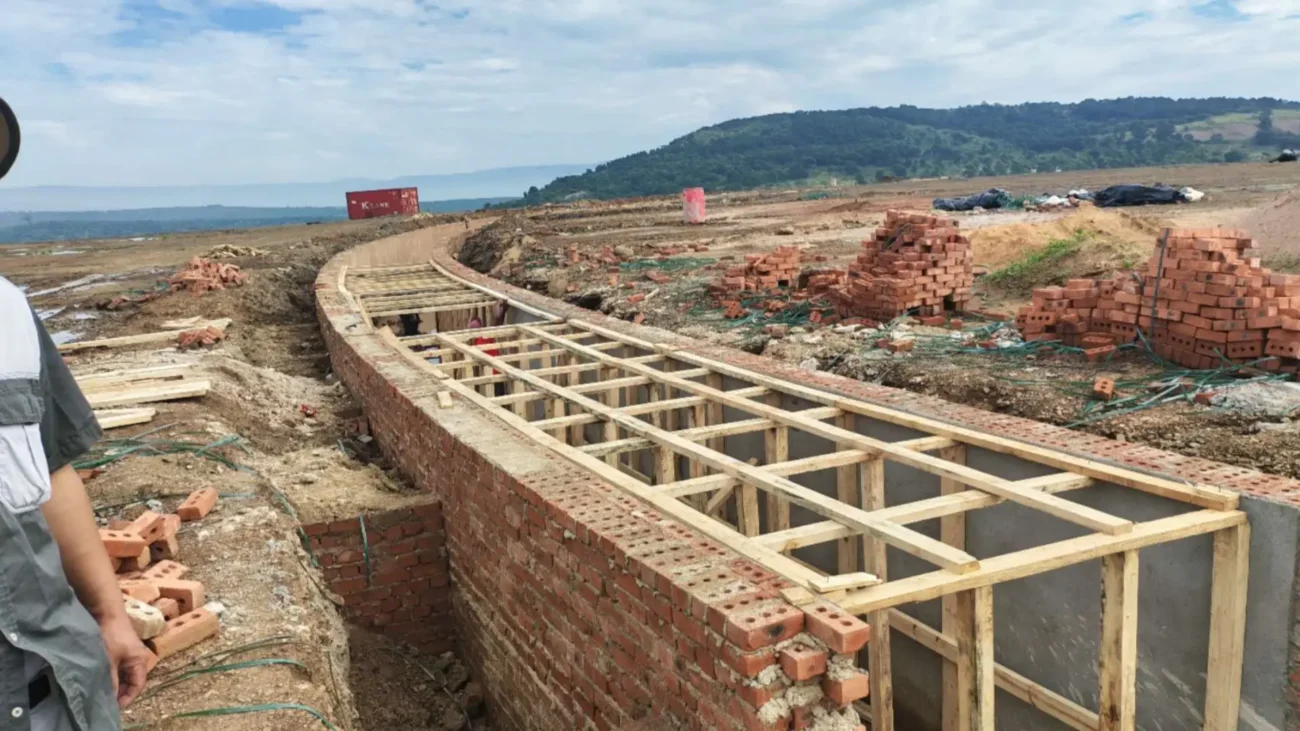
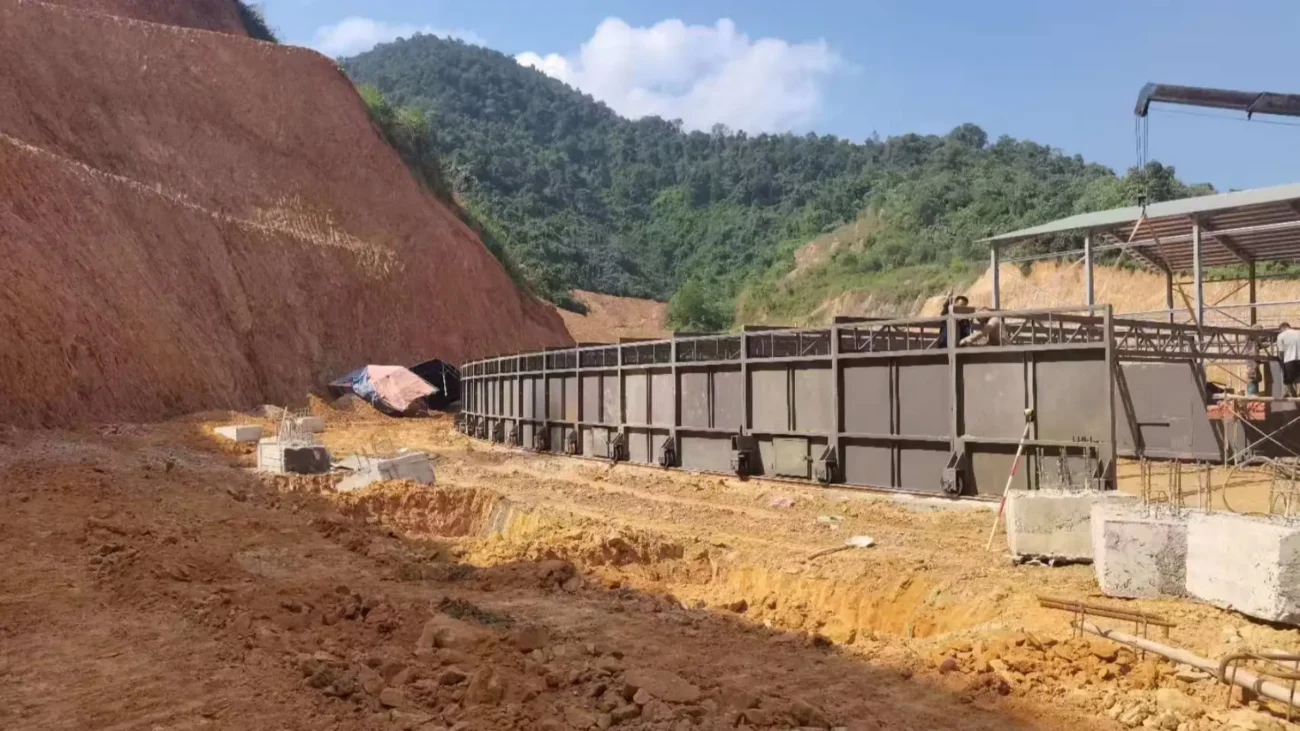
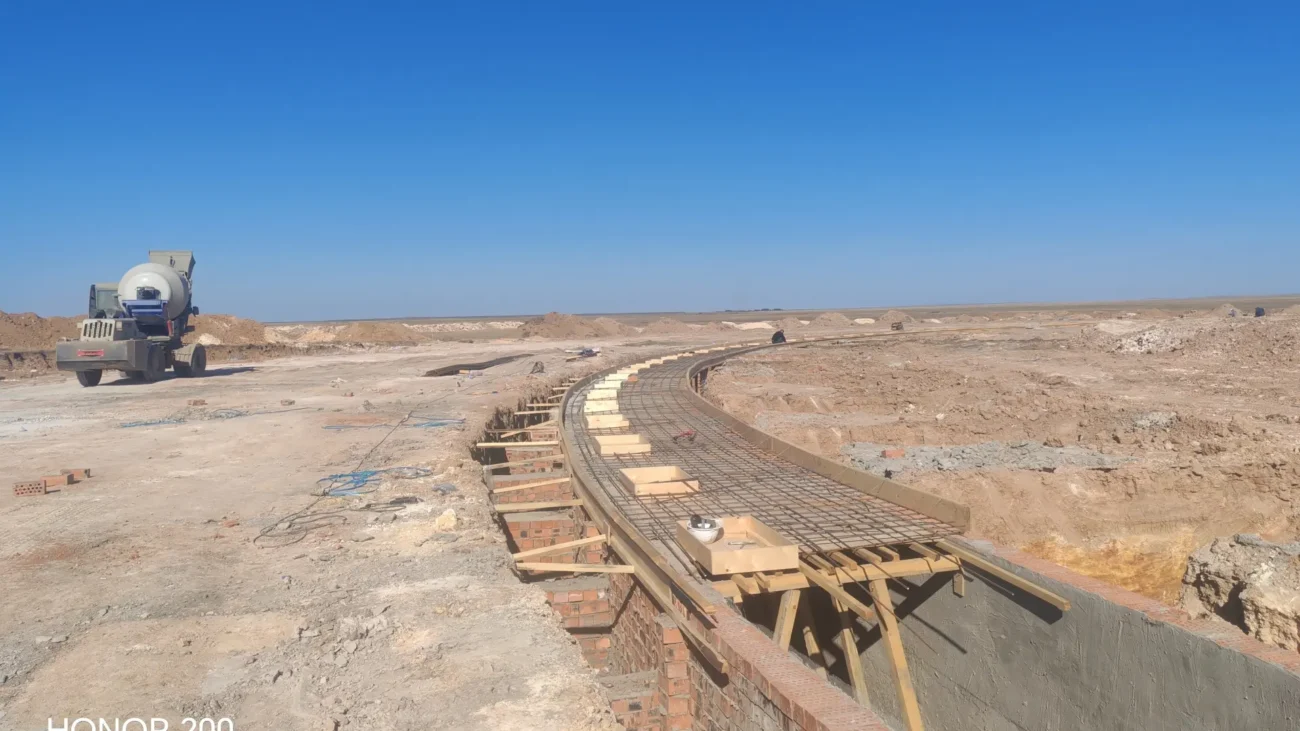
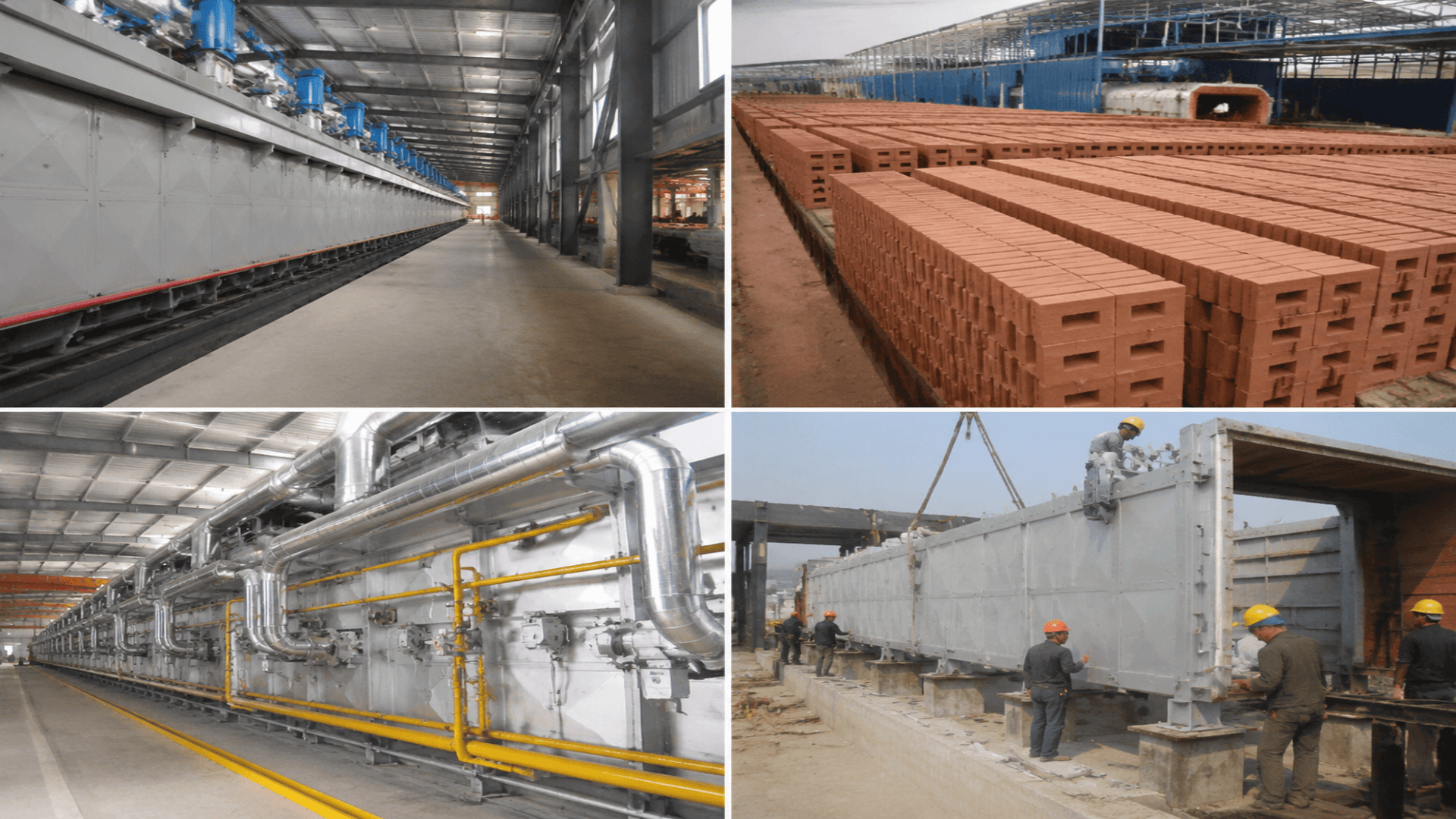
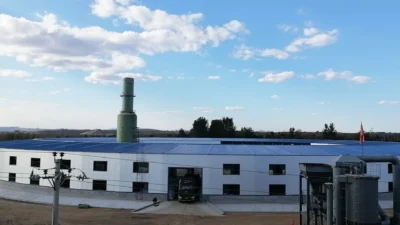
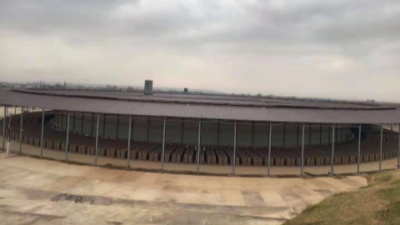
Costs are determined by multiple categories: structural design and materials, thermal system and insulation, control and sensor suites, mobility features (rails, foundations, detachable structures), fuel and combustion systems, and the engineering needed to integrate with loading/unloading systems. The supplier page describes a mobile kiln body, circular rails, flue connection, four process sections (drying, preheating, burning, cooling) and a detachable steel structure with sensor-based control; treat those as supplier-stated features that need RFQ confirmation [3].
Independent technical factors to include in your cost model
Independent guidance recommends evaluating productivity alongside investment and operating cost, life span, land use, fuel and emissions, and thermal efficiency when assessing tunnel kiln projects; these elements influence both initial capital and lifecycle cost [1]. Thermal design variables such as insulation quality, product dimensions, firing curve, air/gas flow and opportunities for cooling-air recovery affect fuel consumption and throughput and are therefore key drivers of total cost and product quality [2].
Supplier features vs independent concerns
Document supplier claims and map them to independent verification steps. For example, the supplier page cites sensor-based control and detachable steel structure as included items; these are supplier-attributed and should be verified against your acceptance criteria during RFQ and factory inspection [3]. Independent checks include heat-loss modeling, load-flow trials, and emissions testing per site fuel choices [1][2].
Comparison and decision table
| Decision factor | Buyer question | Short implication |
|---|---|---|
| Mobility / siting | Will the kiln move between lines or be fixed once installed? | Mobility adds structure and rail costs; reduces permanent civil work but needs commissioning checks. |
| Thermal efficiency | How important is fuel cost and heat recovery? | Better insulation and recovery lower operating cost but increase capex; validate with thermal modeling. |
| Control and sensors | Do you require advanced automation or manual operation? | Sensor-based control reduces variability in quality but needs integration and training; confirm supplier scope. |
| Throughput and product mix | Can product sizes and firing curves fit a continuous tunnel process? | Mismatch can reduce yield or require multiple passes; feasibility tests advised. |
| Fuel and emissions | What fuels are available and what emissions controls are required? | Fuel choice affects burner design, stack configuration and operating permit needs; include in RFQ. |
Installation, civil works and site-preparation considerations
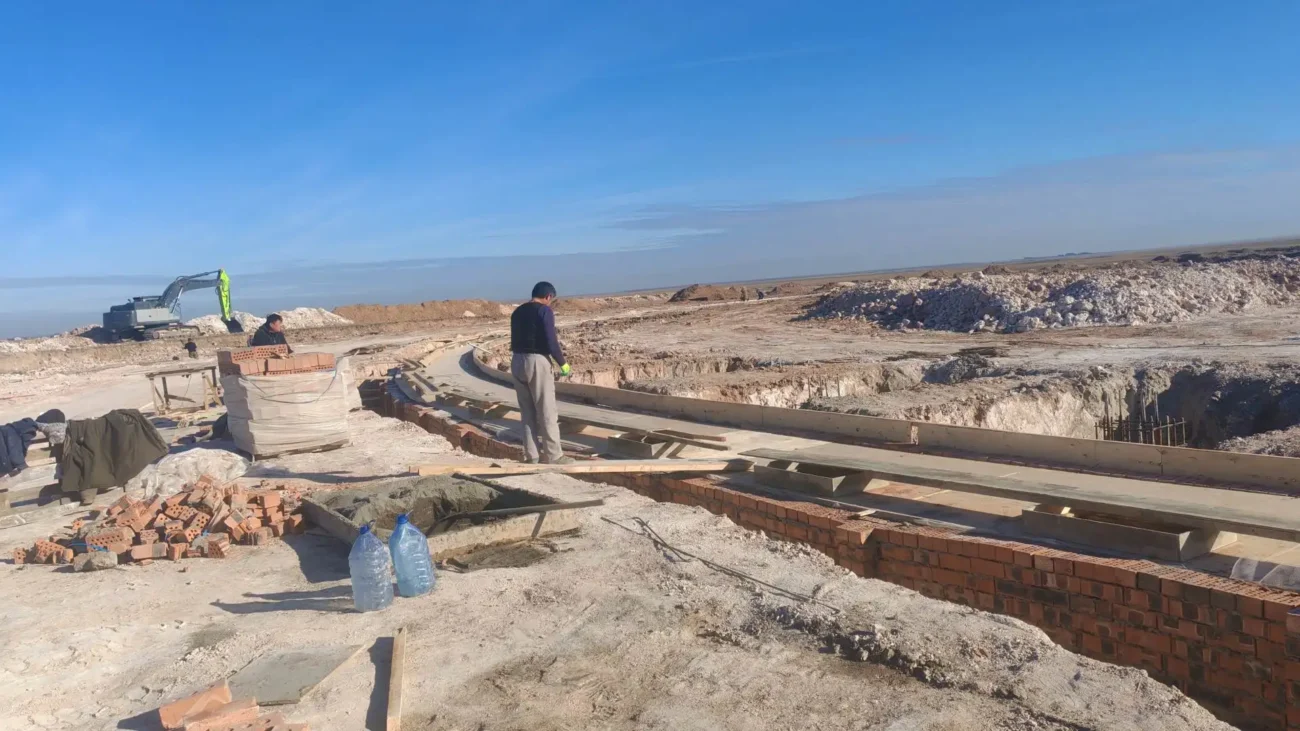
Even a mobile kiln requires foundations for circular rails, a flue connection, and clearances for detachable steel structures. Site preparation costs depend on ground conditions, access for assembly, and local utility availability. Independent guidelines recommend assessing land use and lifetime footprint when comparing tunnel kiln solutions and estimating lifecycle costs [1].
Operational cost categories to budget
Operational categories include fuel and combustion maintenance, control-system upkeep and spare parts, refractory and insulation maintenance, and labor for loading/unloading and quality control. Technical studies of tunnel-kiln thermal behaviour show how cooling-air recovery and optimized air/gas flows can materially affect fuel consumption and product quality — factors that should feed into operating-cost projections and RFQ clauses [2].
Quality control and process validation
Tunnel kilns rely on stable temperature profiles and controlled load flow. Specify acceptance criteria for temperature uniformity, firing curves, and product quality tests in your RFQ. Supplier-stated process sections (drying, preheating, burning, cooling) can form the basis of a FAT (factory acceptance test) sequence, but independent thermographic or probe-based measurements should confirm compliance with your criteria [3][2].
RFQ and validation checklist
Use the table below as a compact validation checklist to include with your RFQ. Require documentary evidence and on-site or factory demonstrations where practical.
| Item to validate | Required evidence | Who confirms |
|---|---|---|
| Kiln mobility features | Technical drawings of rails, detachment procedure, and assembly manual | Supplier + buyer site engineer |
| Thermal performance | Thermal model, insulation specs, FAT temperature logs | Independent thermal engineer |
| Control and sensors | Control diagrams, sensor lists, software screenshots, HMI demo | Supplier + buyer automation lead |
| Emissions and stack | Combustion design, stack drawings, permit guidance | Environmental consultant |
| Product quality | Sample firing reports, reproducibility tests | QA lab + buyer acceptance |
Common buyer questions (FAQs)
How should I compare mobile vs stationary tunnel kilns?
Compare total lifecycle cost, land use, flexibility needs and integration complexity. Mobility can reduce permanent civil work but adds mechanical complexity and verification steps; independent assessments of throughput and durability are recommended [1].
What technical documentation should I request?
Request thermal models, control and sensor lists, mechanical drawings for rails and detachment, FAT procedures, and references from similar installations. Treat supplier documentation as part of your verification package to be confirmed in RFQ evaluations [3][2].
Will a mobile rotary tunnel kiln suit variable product sizes?
That depends on product geometry, required firing curves and load handling systems. Thermal analyses emphasize load flow and temperature gradients as critical for uniform quality; run product-specific trials or simulations as part of RFQ activity [2].
Supplier example and how to proceed
The listed supplier describes a mobile rotary tunnel kiln with circular rails, a flue connection, four process sections, a detachable steel structure and sensor-based control; these are supplier-stated features and should be verified during RFQ and FAT procedures [3]. If you need a prefabricated tunnel configuration or want to compare assemblies, consider requesting the supplier’s factory layout drawings and a site-specific quote.
For a related prefabricated tunnel option see this supplier page: Prefabricated tunnel kiln. Use that reference to compare modular prefabrication trade-offs against mobile rotary designs.
Closing guidance and next steps
When evaluating mobile rotary tunnel kiln cost, combine supplier-supplied specifications with independent thermal and site assessments. Include FAT requirements, test protocols and acceptance criteria in your RFQ. Independent sources recommend that you weigh productivity together with lifecycle costs, emissions and land-use implications to reach a procurement decision [1][2].
RFQ-confirmation scope note: all performance, operating cost and mobility outcomes cited from the supplier must be confirmed by RFQ, site data, material tests and acceptance criteria before procurement or commissioning.
References
- [1] Climate and Clean Air Coalition — Tunnel Kiln Technology: Project Assessment Guideline. https://www.ccacoalition.org/resources/tunnel-kiln-technology-overview-and-project-assessment-guideline
- [2] Nicolau and Dadam — Thermal analysis of a tunnel kiln. https://www.scielo.br/j/jbsmse/a/SCkFZbcbwdPqY4Ywv4KZpvN/?lang=en
- [3] Supplier: Mobile Rotary Tunnel Kiln product page. https://www.yaxinkiln.com/Mobile-Rotary-Tunnel-Kiln-2.html