Tunnel Kiln Maintenance Guide: What Should Operators Check?

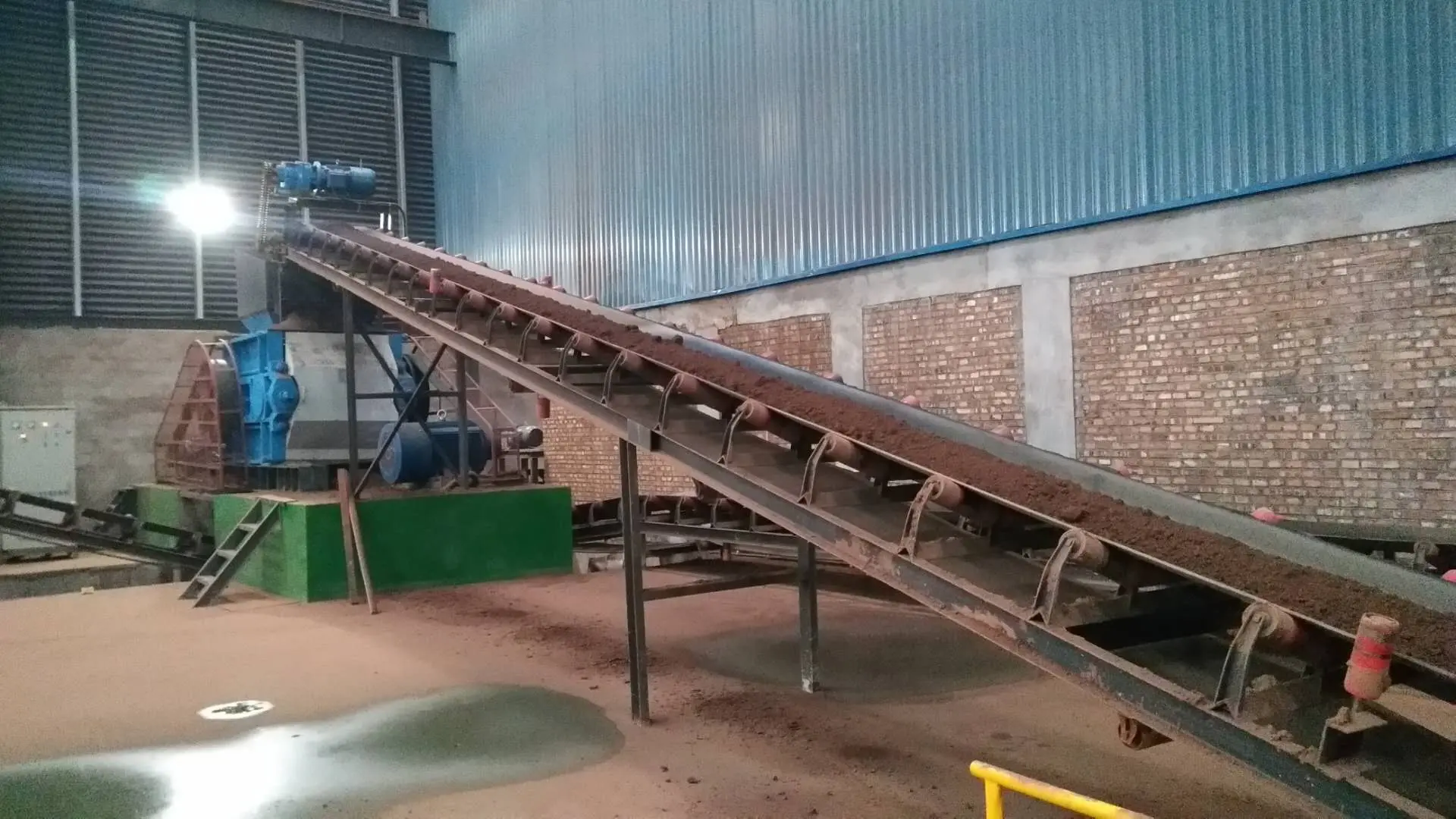
Tunnel kiln maintenance starts at shift handover and continues through planned preventive activities. This guide sets operator-focused checks and decision points so maintenance teams can keep product quality consistent and avoid unplanned downtime while preparing meaningful input for procurement.
Use this content to build daily, weekly and monthly routines, to frame operator training, and to prepare an RFQ or site validation list that an equipment supplier can action. The exact scope, performance expectations and acceptance criteria must be confirmed by an RFQ and site review.

tunnel kiln maintenance: why operators must prioritise checks
Operators maintain kiln stability by monitoring thermal profiles, material handling, sealing and flue systems. Independent sources recommend evaluating efficiency, emissions and life-cycle trade-offs as part of technology assessment and operational practice [1]. Thermal analysis also shows that insulation, load configuration and airflow directly affect product temperature gradients and quality [2].
Daily and shift checks
- Visual inspection of kiln car tracks and wheel bearings for obstructions or abnormal wear.
- Confirm burners, pilot systems and any visible flames are stable and instruments are reading in expected ranges.
- Check door and sealing areas for brick displacement, spalling or loss of seal integrity.
- Record key process variables (inlet/outlet temperatures, zone temperatures, car speed) to detect trends.
Logging and trend analysis are essential: small changes in firing curves or cooling-air recovery can indicate insulation degradation or leakage that affects product quality [2].
Weekly and monthly inspections
- Inspect refractory and insulation for hot spots or progressive deterioration; use infrared scans if available.
- Verify alignment and wear on kiln-car tracks and transition sections, especially where modular sections join.
- Test automation interlocks, sensors and data-logging integrity; validate calibration of thermocouples against a reference.
- Review flue-gas paths for soot build-up and check gas-reburning and emission-control components where fitted.
Critical systems and what to measure
Key systems to prioritise during tunnel kiln maintenance are combustion/heat supply, refractory/insulation, material handling (cars and tracks), seals and automation. Specific measurements that assist diagnosis include:
- Zone temperatures and gradients across the product load to detect drifting firing curves (see thermal analysis guidance) [2].
- Draft and flue-gas temperature to monitor combustion stability and heat recovery potential [1].
- Car speed and carriage drive torque as indicators of mechanical issues or excessive loading.
- Leakage rates around doors, expansion joints and modular interfaces to assess sealing effectiveness.
Comparison and decision table
| Condition | Likely cause | Decision/Action |
|---|---|---|
| Temperature drift in a zone | Insulation degradation, refractory damage, burner instability | Inspect refractory, verify burner tuning, log for trending; consider targeted repairs or lining replacement pending RFQ validation |
| Uneven product color/quality | Load configuration, airflow imbalance, poor temperature uniformity | Audit load patterns, balance airflow, validate thermocouples and firing curve; run sample tests |
| Smoke or soot in cooling zone | Combustion inefficiency, flue-gas path issues | Inspect burners and flue, clean paths, review combustion settings and consider emission-control checks |
Maintenance planning and spare parts
Establish a spares list for wear items such as thermocouples, bearings, seals and refractory bricks. Track mean time between maintenance tasks using logged data so procurement can plan stocks and avoid long outages. Supplier modular designs can simplify replacement of sections but require careful record-keeping of module serials and joint details.
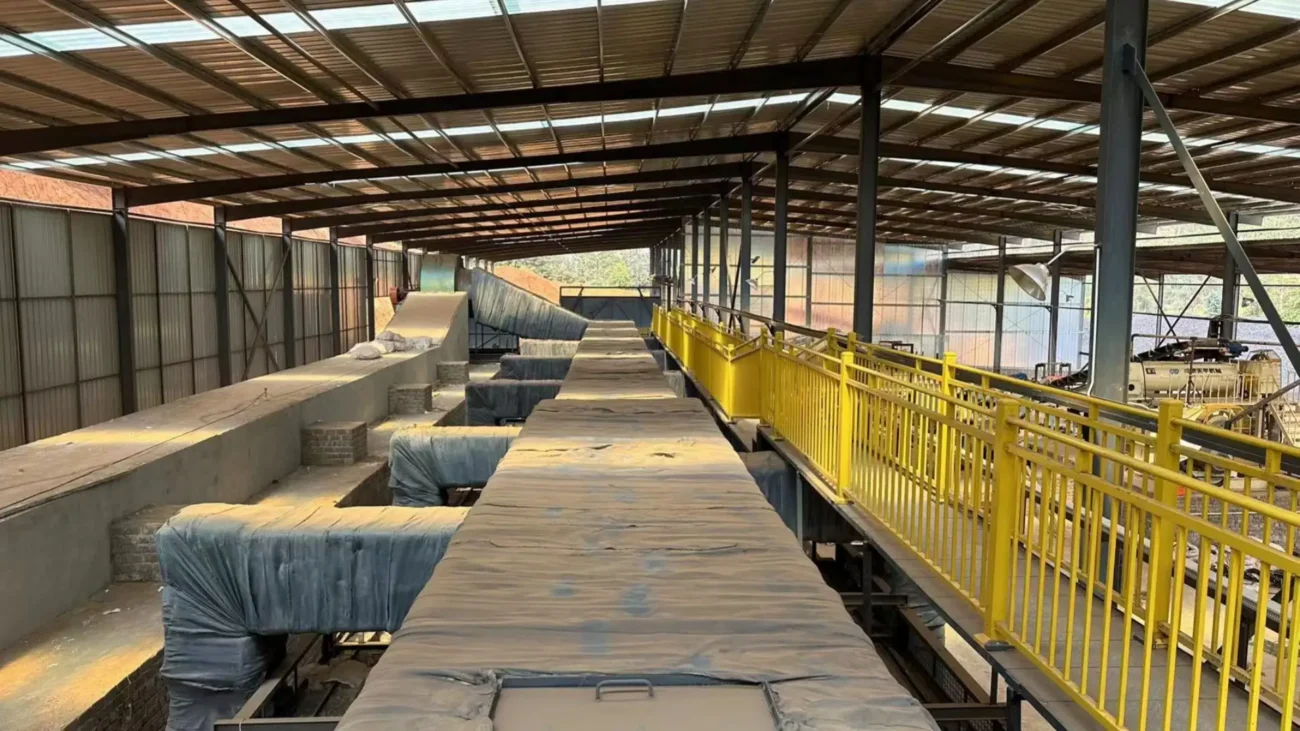
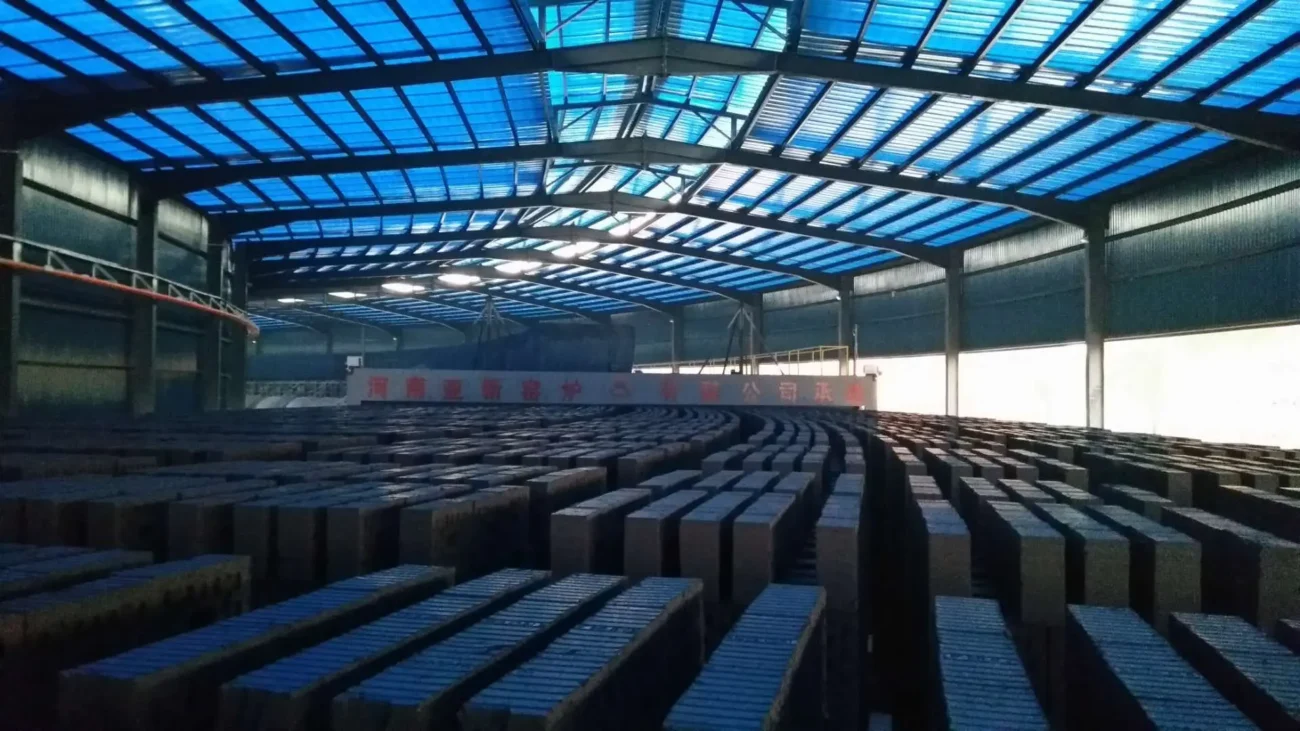
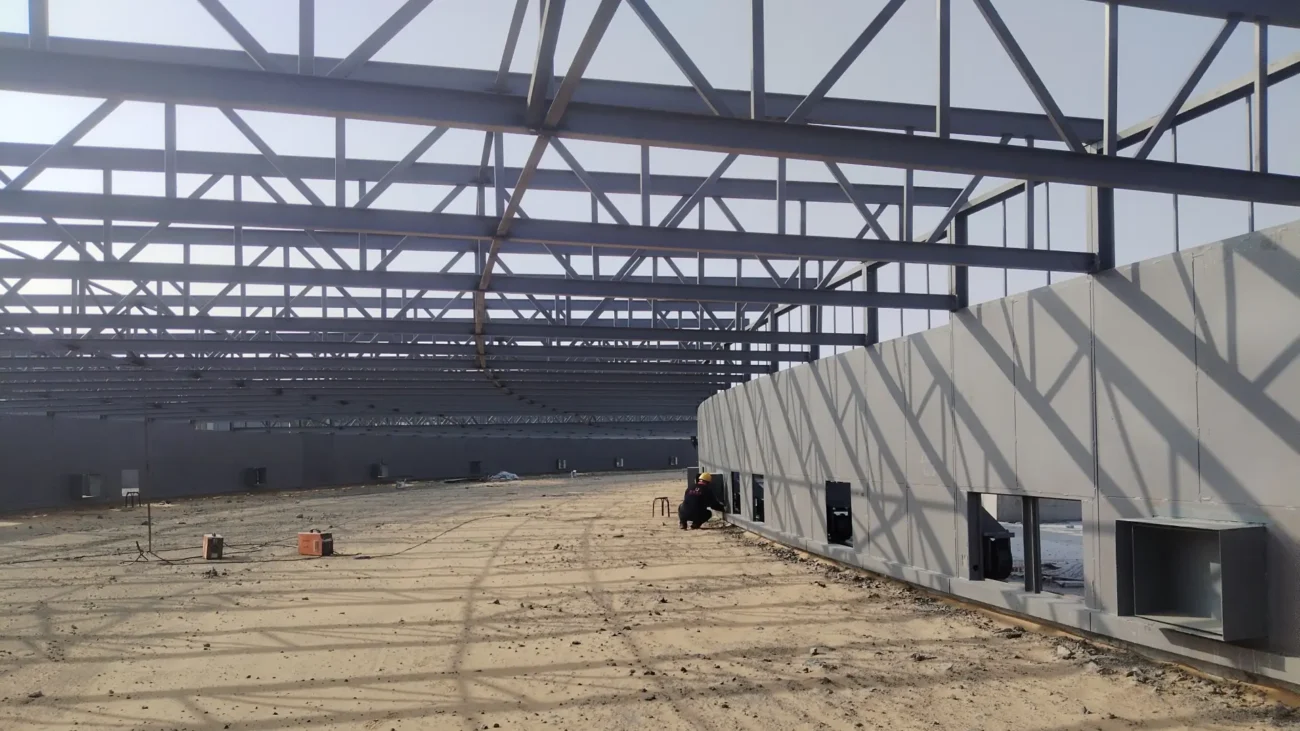
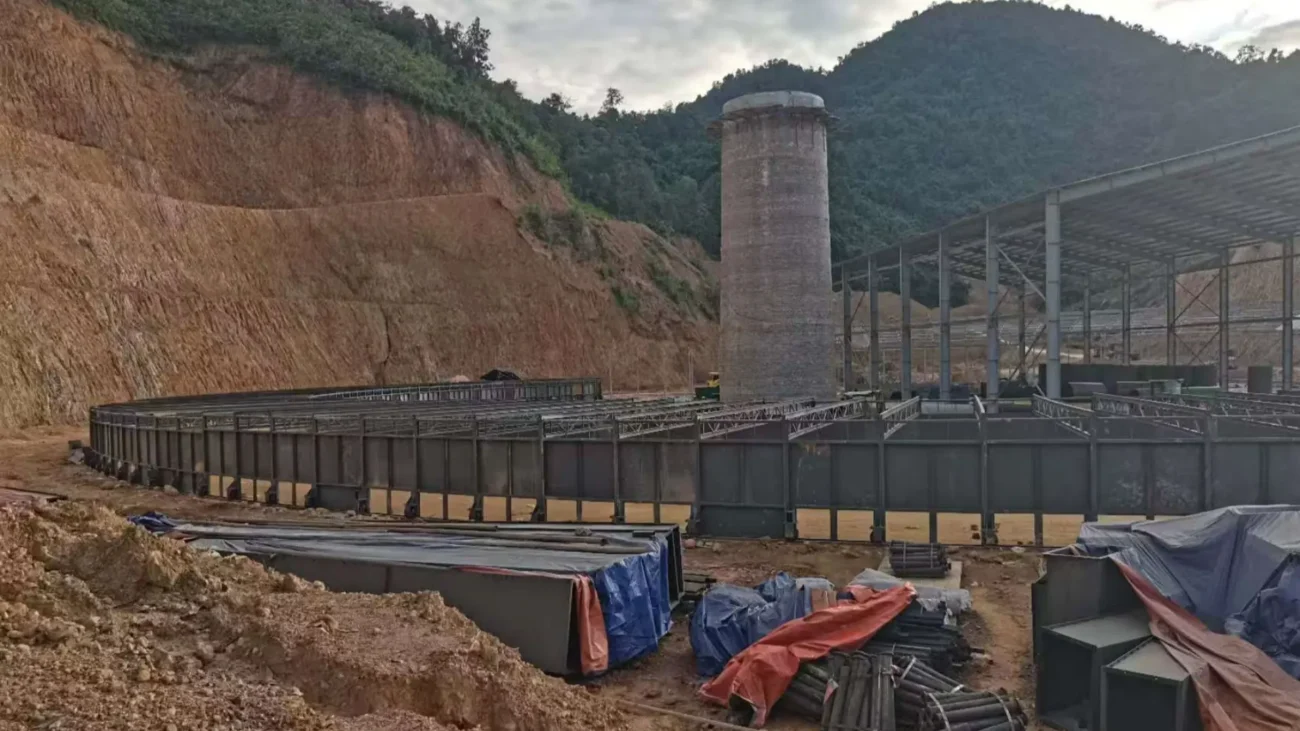
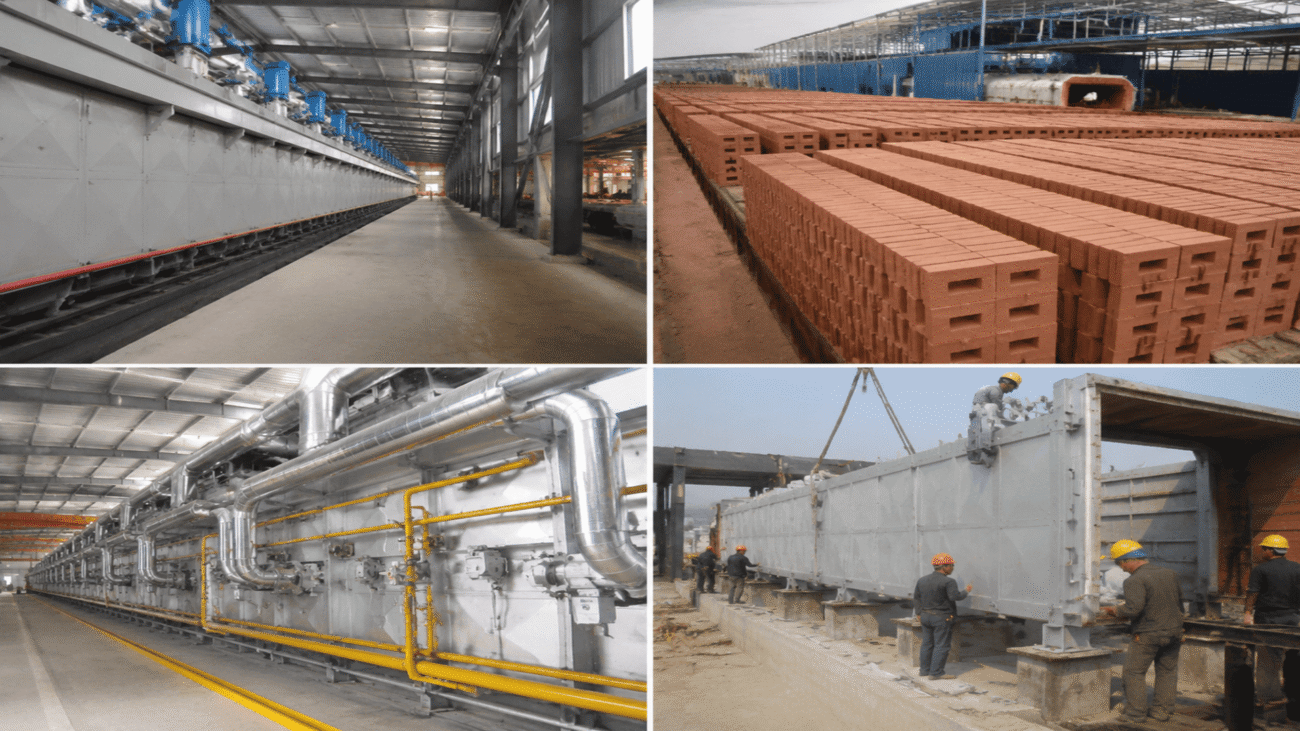
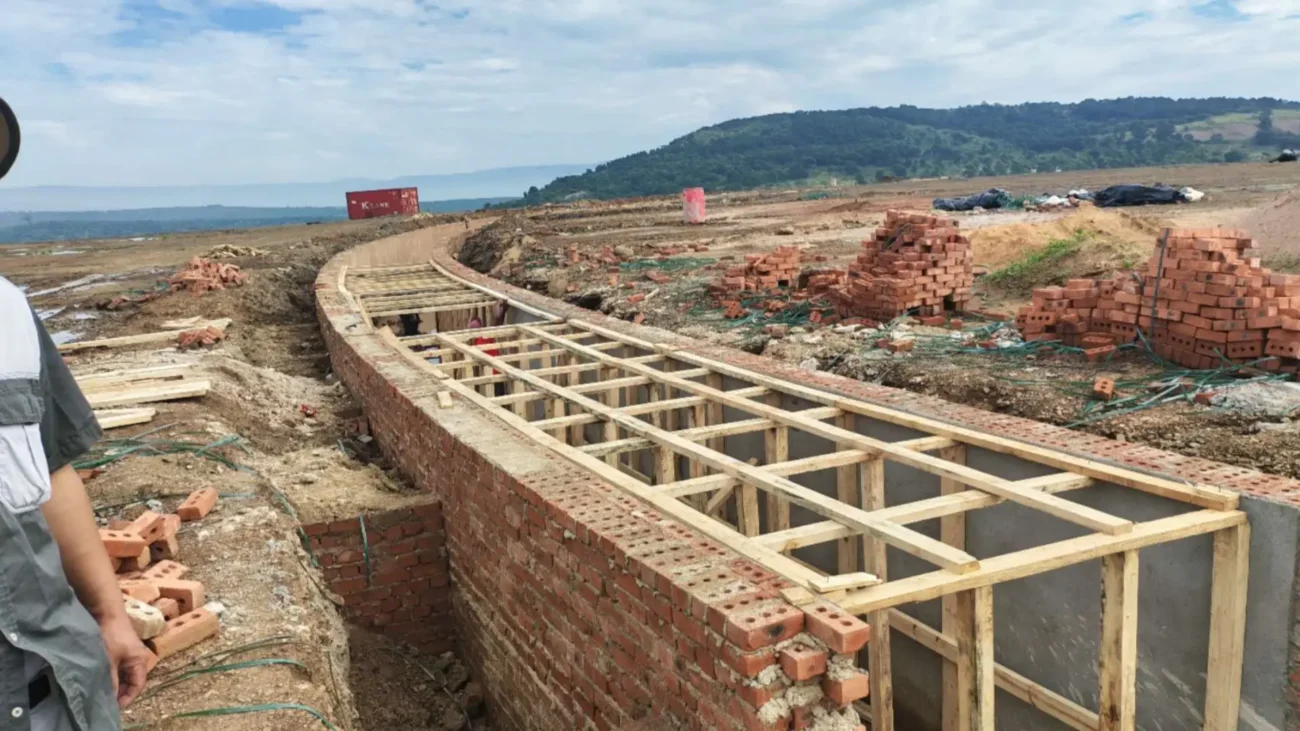
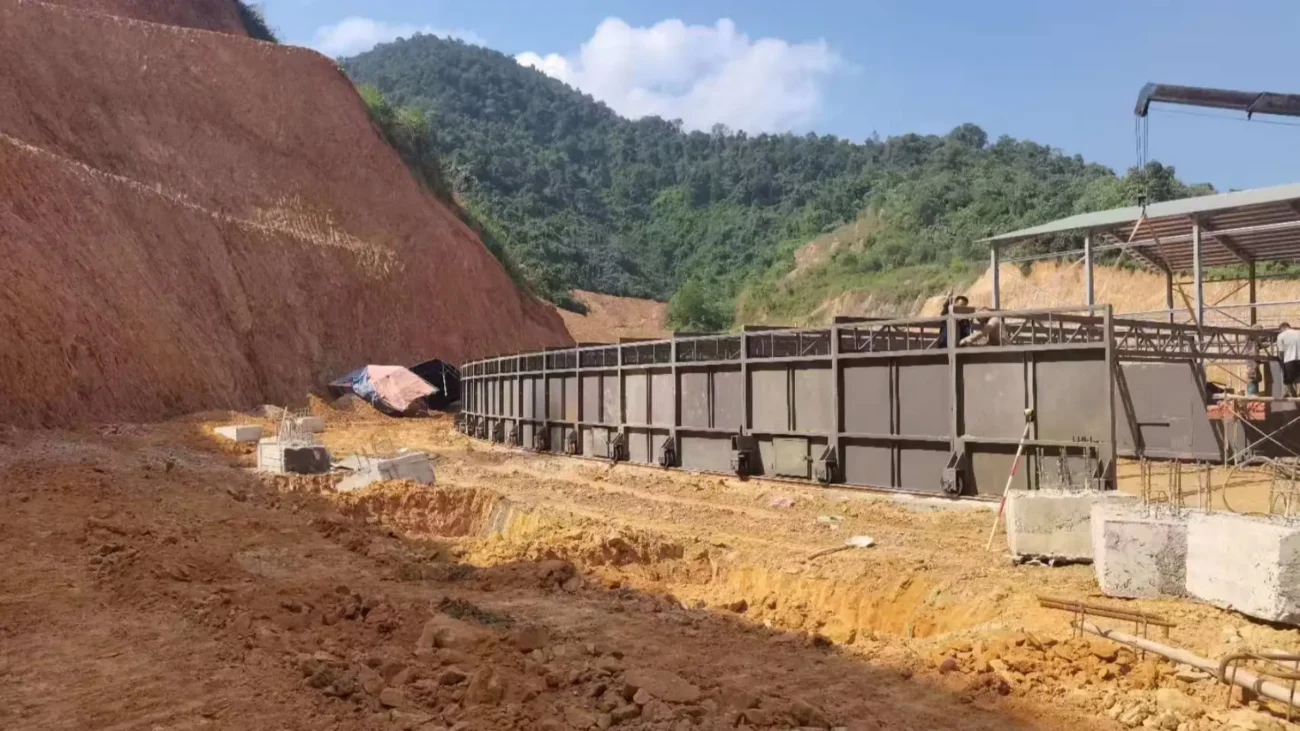
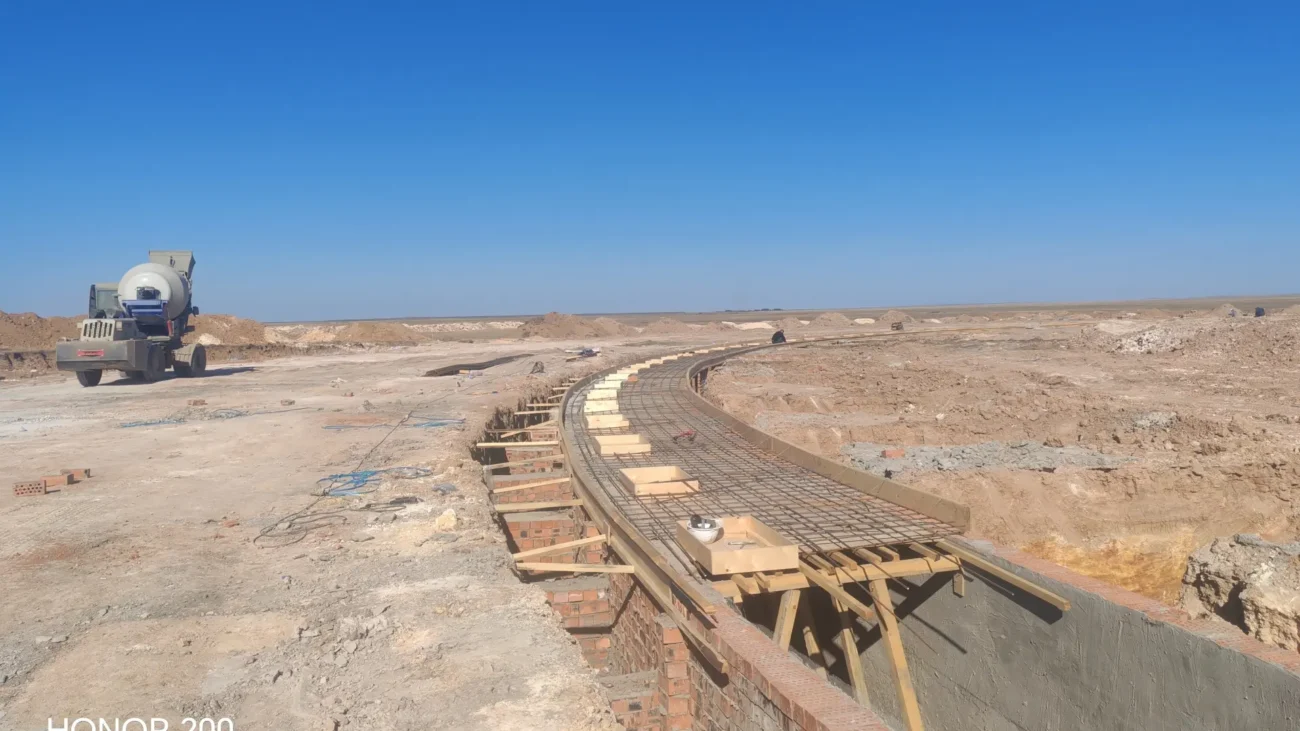
According to the supplier, prefabricated tunnel-kiln bodies use large cross-sections, modular assemblies, multiple kiln-car tracks, synchronous drying/roasting stages and double sealing to speed drying and support automation; the supplier also describes staged drying/preheating/calcining/insulation/cooling and flue-gas reburning capability [3]. These supplier statements should be verified during RFQ and site validation as noted below.
RFQ and validation checklist
| Item | Data or document to request/verify |
|---|---|
| Kiln body dimensions & layout | As-built drawings, module sizes, track gauge and tolerance records (verify on-site) |
| Refractory and insulation specification | Material data sheets, expected service life, test reports and thermal conductivity data |
| Combustion and flue system | Burner type, control logic, flue-gas recirculation/reburning details and emission test results |
| Automation & instrumentation | I/O list, control strategy, calibration certificates and HMI data export formats |
| Track & car systems | Track alignment tolerances, wheel specs, maintenance intervals and spare parts list |
| Acceptance tests | Proposed firing curves, sample production runs, temperature uniformity and cooling recovery criteria |
Operational best practices
Standardise shift-to-shift handover reports with key metrics and anomaly flags so trending is effective. Use small sample runs after maintenance to confirm firing curves before returning to full-rate production. Consider periodic third‑party performance audits that review fuel/energy efficiency and emissions alongside productivity and life-cycle factors to support management decisions [1].
Supplier options and next steps
If you are evaluating prefabricated or modular tunnel kilns, assemble logged performance data and the RFQ checklist above before engaging suppliers. The supplier page for prefabricated tunnel kilns notes modular assemblies, synchronous drying/roasting stages, multi-track designs and automation-ready features; treat those statements as supplier-provided and confirm them in your RFQ and site assessment [3].
To review a supplier’s prefabricated tunnel kiln offerings and to request detailed specifications or an RFQ, follow this link: View prefabricated tunnel kiln options.
FAQs
How often should thermocouples be calibrated?
Calibrate thermocouples regularly based on plant policy and observed drift. Calibration frequency depends on duty cycle and process sensitivity; include calibration certificates in your maintenance records and compare zone readings after any refractory intervention [2].
What are early signs of refractory failure?
Hot spots, increased fuel use to maintain temperature and visible spalling or brick displacement are early indicators. Use infrared checks and trending of zone temperatures to detect progressive degradation before catastrophic failure occurs [2].
When should I request an RFQ for major repairs or replacement?
Request an RFQ after you complete a site assessment that documents refractory condition, insulation performance, combustion stability and mechanical wear. The RFQ should include acceptance tests and sample firing runs to confirm supplier claims and expected outcomes [1][3].
Note on supplier statements: Descriptions of modular assemblies, multi-track designs, synchronous drying/roasting stages, double sealing and flue-gas reburning are taken from the supplier product page and should be validated via RFQ, site measurements and material tests [3].
RFQ-confirmation scope note: Any project-specific performance, energy, emissions or life-span outcomes must be confirmed by an RFQ, site data, material tests and agreed acceptance criteria before procurement or commissioning.
References